Health
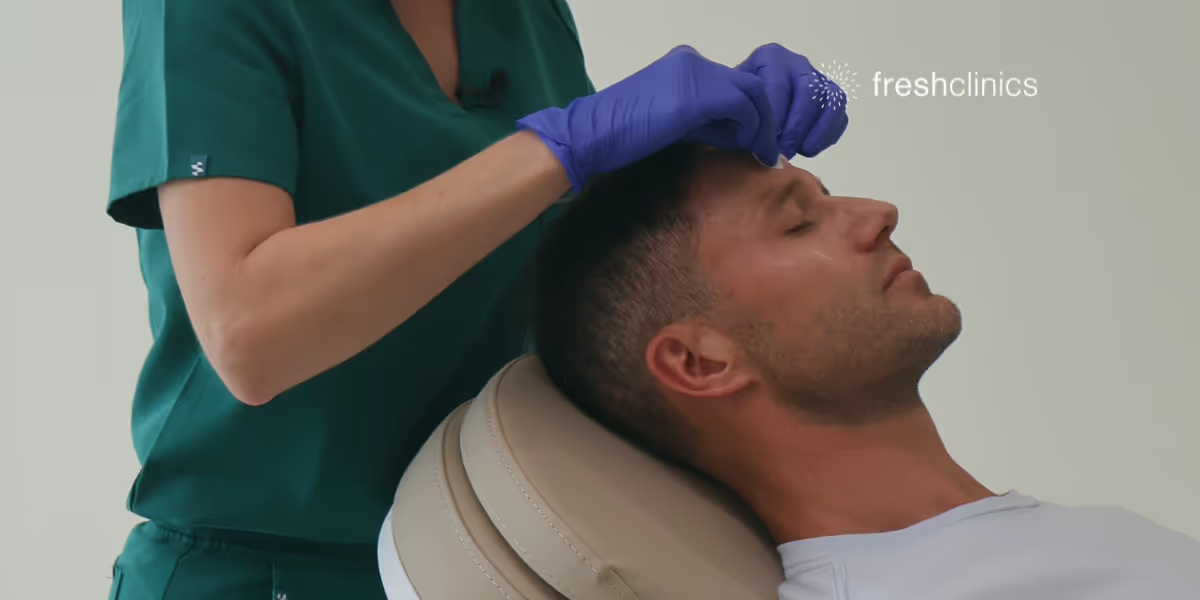
Why Med Spas are Adopting Exosomes
Are you searching for the next groundbreaking innovation in skincare to offer to your patients?
Welcome to the world of exosomes, the tiny yet mighty cellular communicators revolutionizing skin quality.
During a recent Fresh Clinics webinar, expert trainer Rajdi Gemeri, a registered nurse and owner of Pause Mediclinic in Australia, explored the science behind exosomes, their clinical applications, and how practitioners can integrate them into their med spas.
What are Exosomes?
Exosomes are tiny extracellular vesicles that play a crucial role in cell communication. They carry proteins, lipids, and nucleic acids as molecular messengers that promote skin regeneration, collagen production, and overall tissue repair.
"I like to explain exosomes to my patients as ‘text messages for your skin,’ sending signals to behave optimally," explained Rajdi.
Unlike traditional growth factors used in skincare, exosomes offer a more advanced, targeted approach by delivering bioactive materials directly to skin cells, resulting in stronger, healthier, and more resilient skin.
Clinical Application: Bringing Exosomes to Your Practice
The versatility of exosome therapy allows it to be seamlessly incorporated into existing treatments. In fact, exosomes are most effective when combined with procedures that create microchannels in the skin, allowing deeper penetration:
- Micro-needling: When combined with micro-needling, exosomes penetrate the skin more effectively, enhancing their regenerative effects. The micro-needling process creates tiny channels that allow exosomes to deliver deeper into the skin layers, resulting in improved texture, reduced pore size, and a reduction in pigmentation
- Energy-Based Devices: Exosomes can be applied post-treatment for those with access to lasers or radiofrequency devices. They accelerate healing, reduce downtime, and act as an anti-inflammatory
- Injectable Combinations: Exosomes can be applied alongside bio stimulators for enhanced skin rejuvenation
One of the greatest advantages of exosomes is their simplicity of use. Clinicians can add exosome therapy to existing treatments without extending session times.
"If you're already offering micro-needling or laser treatments, adding exosomes is a natural next step. It enhances results, improves patient satisfaction, and increases your service value,” Rajdi shared.
Boosting Your Business: Financial Benefits
Many clinics report doubling their hourly turnover after introducing exosome treatments.
For instance, a clinic that typically charges $350 for skin needling can add exosome therapy as an additional $350 service, increasing treatment revenue to $700. This straightforward addition can increase business profitability while delivering impressive outcomes for patients.
Patients are becoming more educated and are actively seeking non-invasive, regenerative treatments. Businesses that offer exosome therapy set themselves apart in an increasingly competitive market.
Rajdi’s advice is clear: "Don't overthink it. Just go with it and watch the magic happen."
The future of skincare is here. Want to incorporate exosomes into your clinic? Reach out to our team today.

Member Spotlight: Glam Haux
Nestled in the heart of downtown McKinney, Texas, Glamhaux Med Spa is redefining beauty and wellness, thanks to its founder's expertize and passion, Taryn Hooper.
With over 20 years of experience in the beauty industry, including 15 years in nursing and aesthetics, Taryn has built a reputation for delivering natural-looking results that empower her clients to feel confident and radiant.
“I’ve always been passionate about aesthetics,” Taryn shared. “Helping people enhance their natural beauty and feel good about themselves is what drives me every day.”
A Journey of Empowerment
Taryn’s journey into aesthetics began after years of working in nursing and teaching. Her experiences at other med spas inspired her to branch out on her own in 2024, creating a space where she could personally connect with her clients and focus on their unique needs.
“It just made sense to go out on my own,” Taryn explained. “I’ve worked for different med spas and taught at an institute here in Dallas, but my passion is really about working closely with my patients. Owning my own practice allowed me to integrate that personal touch.”
When it came to taking the leap, Taryn leaned on her network of fellow nurses and nurse practitioners for advice and encouragement. “My friends and even my patients believed in me before I believed in myself,” she recalled. “That support made all the difference.”

Partnering with Fresh Clinics
Taryn discovered Fresh Clinics through a recommendation from a close friend and fellow nurse practitioner. Since joining, she has relied on Fresh for compliance, medical directorship, and support.
“Fresh Clinics has been amazing,” Taryn said. “From the onboarding process to ongoing support, they’ve walked me through every step. Their team is always there when I need help, whether it’s compliance checks or product-related issues.”
One feature Taryn particularly appreciates is the ease of managing good faith exams. “Having everything in the app, from approvals to patient history, saves so much time and keeps me compliant. It allows me to focus on what I love - treating my patients.”
Beyond compliance and medical oversight, Taryn values the sense of community that Fresh Clinics encourages. “It’s a big world, but the aesthetics community can feel so small. Connecting with other practitioners has been incredibly rewarding.” she shared.
Glamhaux Med Spa offers a range of services, including neurotoxins, fillers, microneedling, and wellness-focused treatments like weight loss programs. “I’m always researching new innovations, like exosomes,” she said. “While they’re only approved for topical use in the U.S. right now, I’m excited about their potential.”
To nurses considering starting their own med spa, Taryn offers this advice: “Just go for it. Do your research, prepare for the highs and lows, and lean on your network for support. It’s a big leap, but it’s absolutely worth it.”
With Fresh Clinics as her trusted partner, Taryn is not only transforming her clients but the future of aesthetics in Texas.

Breaking the Stigma: Complication Management in Aesthetics
In aesthetic medicine, although rare, complications can and do happen. But rather than seeing them as failures, it’s time to shift the narrative.
Although these complications occur infrequently, their potential impact necessitates transparency, preparedness, and ongoing education.
During our recent international webinar, bringing together Members from the USA and Australia, Fresh Clinics co-founder Dr John Holbrook led a candid discussion on complication management, breaking down stigma, and ensuring patient safety remains the top priority in aesthetics.
A New Perspective on Complications
“Bad things happen. They’ll happen to all of us,” Dr Holbrook stated. “What matters more than anything is recognizing, escalating, and managing it appropriately.”
One of the most critical complications discussed was vascular occlusions (VO). Vascular occlusions are a rare but serious complication associated with dermal fillers. They occur in fewer than 0.05% of treatments.
Dr Holbrook reinforced that quick recognition and treatment are key: “Anytime you see vesicles, think necrosis. The answer is simple - open up the vessel with hyaluronidase.”
Vascular occlusion can sometimes be misdiagnosed due to varying symptoms, but practitioners were urged to act swiftly. “Pain is a helpful sign, but just because it’s painless doesn’t mean there’s no occlusion,” Dr Holbrook advised.
The Reality of Infections
While vascular occlusions require immediate dissolving of filler, infections can be more challenging. Immune-mediated inflammatory reactions can present anywhere from days to years after HA filler was initially injected. The swelling and tenderness in the distribution where the fillers were injected are often, but not always, triggered by illness in the patient a couple days prior to the swelling.
NSAIDs and prednisone are typically used to manage these reactions. If an infection is suspected, antibiotics and dissolving the filler are standard therapy. Dr Holbrook highlighted, “You are obliged to dissolve any filler post-infection, no matter what.”
Practitioners were reminded to take a proactive approach with close patient monitoring to prevent further complications such as abscess formation.
Seeking to maintain adverse events at less than 1% of treatments that occur is a shared mission. The Monthly Morbidity and Mortality (M&M) meetings hosted by Fresh Clinics highlight where and how practice can continuously improve.
No Practitioner is Alone
Breaking the stigma around complication management requires a collective shift in perspective.
Complications are not a reflection of incompetence but are part of cosmetic medicine and an opportunity to learn, improve practice, and enhance patient safety. Fresh Clinics offers ongoing support through its medical team, software, and training to ensure all practitioners have the knowledge and confidence to navigate complications.
If you want to be part of a network that prioritises safety, education, and professional growth, explore how Fresh Clinics can support you. Reach out to our team today.
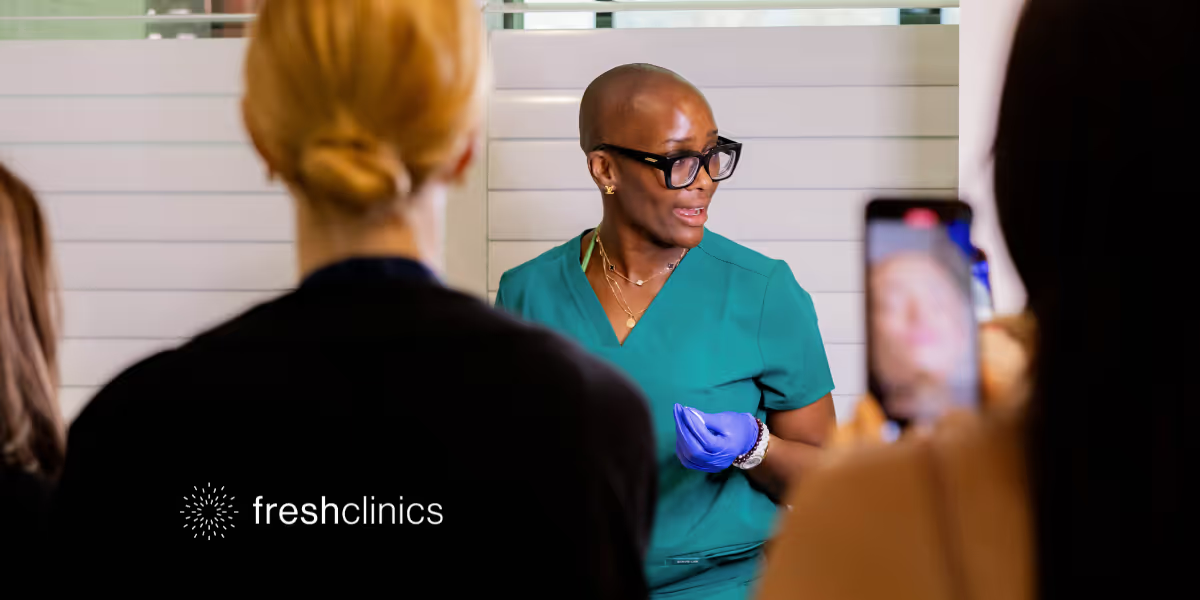
Nurse Injector Training
How to become a nurse injector: training, certification & career guide
An estimated 25.4 million minimally invasive cosmetic procedures were performed in 2023 in the United States. Of these, neuromodulator injections such as Botox or Jeuveau accounted for nearly 9.5 million of them.
As demand grows for subtle, natural-looking enhancements, so does the need for skilled, certified nurse injectors, and it's higher than ever. If you're a registered nurse interested in expanding your skillset into the world of medical aesthetics, nurse injector training provides a good opportunity for career progression.
This guide breaks down what the training involves, where it can take you, and how Fresh Clinics can help you build a career in aesthetics.
What's the opportunity?
Non-surgical treatments like cosmetic injections are more in demand than ever before. But they can’t be performed without trained professional nurse injectors who can deliver safe, effective results.
In states like Texas and Pennsylvania, the need for both is especially high. That is why now is a great time for registered nurses to add this string to their bow.
Once trained, nurse aestheticians can work in medical spas and dermatology clinics or even start their own aesthetic practice with oversight from a medical director. With the right certification and support, these skills can open up a more flexible, higher-earning, and creatively fulfilling career path.
What does a nurse injector do in aesthetic medicine?
A nurse injector is a licensed healthcare professional, typically a registered nurse (RN), who specializes in performing non-surgical cosmetic procedures.
Primarily, their main focus revolves around administering injectable treatments such as Botox and dermal fillers. These are used in treatments aimed at reducing fine lines, smoothing wrinkles, and restoring facial volume. The main purpose is to help patients achieve a more youthful, refreshed appearance without the need for surgery or extended downtime.
In addition to dispensing injections, nurse injectors conduct thorough patient consultations and assess patients' medical history. They also design personalized treatment plans based on each client’s facial anatomy and aesthetic goals. To do this, they must have in-depth knowledge of facial muscles, nerves, and blood vessels to ensure they place injections accurately and safely, every time.
For a nurse injector, their key skills typically include possessing a precise injection technique, a strong understanding of product properties, and the ability to recognize and manage potential complications. They are also often responsible for educating patients about aftercare and ensuring strict ethical and legal standards are adhered to. In short, you could say that a nurse injector blends clinical expertise with an artistic eye to deliver safe, high-quality aesthetic outcomes.
Inside nurse injector training: what you’ll learn and why it matters
If you're exploring a career in aesthetic medicine, it's important to know what nurse injector training includes. In addition to teaching you how to inject patients properly, the right training gives you the medical, technical, and ethical foundation to deliver outstanding results.
Here is an overview of what you’ll learn and why it’s important.
Facial anatomy fundamentals
One of the first things your training will focus on is learning detailed facial anatomy. This is important because you’ll need to understand where muscles, nerves, and blood vessels lie under the skin. Such knowledge is crucial for every cosmetic procedure you’ll perform. It helps to avoid complications and achieve precise, natural-looking outcomes that patients will love.
Toxin and dermal filler techniques
Learning how to administer anti-wrinkle injections like Botox and dermal fillers safely and effectively is something you’ll be required to master. There is a good chance you will be performing many of these treatments. When training to be a nurse injector, you'll be taught how to treat areas like frown lines, crow’s feet, smile lines, lips, and more. You’ll also develop the skill of adapting techniques based on the individual client’s face and goals.
Product knowledge and patient assessment
Nurse injector training also covers the differences between various injectable products, including their properties, uses, and how they interact with tissue. Once complete, you’ll be able to professionally practice consultation skills, such as how to assess patient suitability, manage expectations, and support physicians in obtaining the client's informed consent.
Complication management
Knowing how to recognize and handle side effects and rare adverse reactions is an essential part of being a nurse injector. That is why you will be trained to spot early warning signs and act quickly to protect patient safety, if required.
Hands-on training
Perhaps, most importantly, top-tier courses typically include live patient training. This is a vital step in the process because working in a real-life setting gives prospective nurse aestheticians valuable experience that online teaching alone can’t replicate.
Where can nurse injectors work?
Fully qualified injectors have a wide range of career options available to them in the aesthetic industry. Most commonly, they can work in medical spas, where treatments like Botox and dermal fillers are offered in a client-focused and relaxed environment.
However, others are employed in dermatology or plastic surgery clinics. Working in collaboration with physicians, they provide cosmetic injections as part of a broader medical service.
For those wanting to be their own boss, there’s also the option to work independently. Many nurse injectors start their own businesses or operate as mobile aesthetic providers. To do this, all they need is the right qualifications, access to a medical director, and proper documentation systems in place.
How to become a nurse injector: A step-by-step guide
If you’re ready to pursue a career as a nurse injector, Fresh Clinics makes each step easier by offering training, mentorship, and resources tailored to your career goals.
Here's an overview of what this entails.
Step 1: Become a registered nurse (RN)
To work as a nurse injector in Texas, Pennsylvania, and other states in the USA, you must hold a valid RN license. This license must be active and registered in the specific state where you plan to practice. It also requires completing an accredited nursing program and passing the NCLEX-RN exam.
Step 2: Gain clinical experience
While not always mandatory, having some hands-on experience in patient care can help you build your confidence in clinical settings.
Relevant experience will also give you a better understanding of patient communication and assessment.
Step 3: Enroll in specialized nurse injector training
For most people, this is where their journey into aesthetic nursing really begins.
It is recommended that you choose a program that includes aspects like Botox and dermal filler training, facial anatomy, consultation techniques, and complication management. The best courses offer hands-on, live patient training, which is designed to ensure you can treat real patients confidently and safely.
Step 4: Obtain certification and medical oversight
Depending on your state, you may need to operate under a medical director. This is the case in Texas and Pennsylvania.
Fresh Clinics provides access to experienced mentors and trainers. We also provide support systems, such as documentation tools and legal compliance, to help you practice your new nurse injector skill confidently and professionally.
Step 5: Launch your career
Once you’re fully trained and have become certified, you can embark on the next stage of your career.
This can involve working in medical spas and clinics or even opening your own Med Spa with support from a medical director.
Nurse injector training tips: How to succeed from day one
At Fresh Clinics, our nurse injector training programs are built to set you up for success. We help you stay ahead of the curve by providing you with access to experienced instructors, flexible training formats, and a supportive learning environment. If you want to get the most out of your training, here are a few tips you can employ.
- Learn facial anatomy before your course: Knowing the basics of muscles, nerves, and vessels will make your hands-on sessions much easier to follow and understand.
- Choose a course with live patient training: Practicing on real people under expert supervision is the best way to build confidence and refine your technique.
- Take notes and ask questions: Trainers love students who are engaged and will often share valuable insights beyond the standard curriculum with them.
- Focus on precision over speed: It’s not a race, so make sure you focus on developing safe and accurate injection techniques, rather than finishing the training as quickly as possible.
- Be open to feedback: Receiving constructive input should not be seen as a negative. Instead, take the advice the experienced injectors are giving you as an opportunity to improve your knowledge and technique.
- Connect with your peers: It's a good idea to build relationships with fellow trainees, as this can lead to referrals, job leads, and long-term professional support.
- Keep learning after training: Your desire to learn doesn’t have to stop with your training. Look for follow-up workshops, CPD opportunities, and ongoing mentorship that can help you hone your new skill.
Start your journey as a nurse injector
If you are looking to grow your career in nursing, then becoming a nurse injector is a great way to do that. Not only is this role in a high-demand field, but it is in a high-reward one, too.
With the right training, you’ll learn how to deliver safe, effective treatments like Botox and fillers. This, in turn, will enable you to join a clinic or launch a business, which will help you make a real difference to people’s lives.
To help you achieve this, Fresh Clinics offers hands-on, accredited training, ongoing support, and medical oversight for registered nurses across Texas and Pennsylvania.
Ready to take the first step? Contact Fresh today!
FAQs
Is becoming a nurse injector worth it?
Yes, for many healthcare professionals, especially nurse practitioners (NPs) and RNs, aesthetic medicine offers a more flexible, creatively fulfilling, and financially rewarding career path. With the right Botox and filler training, you can offer high-demand services like botulinum toxins, filler treatments, facial rejuvenation, PDO thread lifts, or facial pain therapy for patients dealing with TMJ.
How much does a nurse injector make?
On average, nurse injectors in the U.S. earn between $75,000 and $120,000 USD per year, with many experienced or business-owning injectors earning well above that. Those who build their own client base or offer specialised treatments often earn significantly higher incomes, especially in high-demand areas. As with any profession, income tends to grow with skill, reputation, and time in the field.
Can you be an aesthetic injector without being a nurse?
In most U.S. states, including Texas and Pennsylvania, you need to be a licensed medical professional to perform cosmetic injections like Botox, dermal fillers, or PDO thread lifts. That means you must be a registered nurse (RN), nurse practitioner (NP), physician assistant (PA), or doctor. If you’re already working as a nurse, you’re in a great position to expand into aesthetics. With the right Botox and filler training, you can gain the skills, confidence, and certifications needed to start offering safe, effective aesthetic injectables.
Is there any risk in becoming a nurse injector?
Every new career comes with a learning curve, but becoming a nurse injector is a well-supported path when you choose the right training. With quality aesthetics training and live patient experience, you’ll build the skills and confidence you need to succeed. At Fresh Clinics, we’re here to guide you through each step, so you can start your journey knowing you’re in safe hands.

Complications in Aesthetic Procedures: Insights from Dr. Shah-Desai

The content of this blog is designed and intended for the education of Healthcare Professionals
In our rapidly evolving industry, the use of hyaluronic acid (HA) fillers for facial enhancement is always on the rise. However, with innovation comes challenges. Fresh Clinics Members recently heard invaluable insights from Dr. Sabrina Shah-Desai, an internationally recognized expert in non-surgical and advanced cosmetic procedures on the prevention and management of complications associated with (HA) filler use.
Understanding the Anatomy
To optimally leverage fillers in aesthetics, an understanding of facial planes and the distribution of facial vasculature is a must. Enlightening us on this, Dr. Shah-Desai reinforced, "Prevention strategies are really important to understanding that depth of injection, injecting slowly, considering a cannula except in the nose, injecting small, and considering directing the needle perpendicular to the vessels."
Patient Assessment
Sabrina made sure to emphasise the importance of patient assessment and consultation in the following order to minimise risks during treatment:
- Take a detailed medical history
- Take a detailed aesthetic history (types of filler used/dates of treatment)
- Assess for any ongoing skin conditions, dental issues, and ear, nose, or throat issues
- Establish if there is any severe pain or redness in past treatments
- Establish duration and onset of “the lump”
One of the main risks associated with HA filler injections is the threat of vascular events. How we handle such events can make a significant difference in the patient's outcome. Complications ranging from infections to nodules and even blindness can occur, hence having a well-trained team in place, armed with the necessary tools and medications, is crucial.

"Anatomy and assessment of patient selection is a prerequisite for minimising the risk of complications. Never inject against resistance and considering the product is really important, particularly to prevent complications," said Dr. Shah-Desai, reinforcing the importance of comprehensive knowledge in filler treatments.
Navigating Complications
The importance of early detection, diagnosis, and management of adverse events cannot be overemphasised. For infections, the use of antibiotics might be considered while Hyaluronidase could be employed for treating nodules. Here, using ultrasound devices on patients would offer compelling advantages.
Aging and Filler Placement
Our skin undergoes transformations with age, leading to structural support and surface alterations. . Sabrina shed light on this, highlighting "When we look at the surface topographical changes of aging we see this on the skin sort of from the ages of late 20s to mid 30s."
The awareness of these changes, especially in the mid-face and bony areas, forms the underpinning for informed decisions on filler placement and selection in patients.
The 4D Approach
Steering away from static notions, Sabrina introduced the concept of the 4D approach for optimising results with filler. This approach unravels a more holistic outlook in evaluating and enhancing facial features, acknowledging the dynamic fat pads and movements that define our faces.
The 4D approach is based on four key strategies and can have fewer complications, plus more revenue for your practice than filler alone:
- Protection (eg, sunscreen and antioxidants)
- Promotion of cell turnover (eg, peels and laser)\
- Collagen stimulation
- Volume remodelling (eg, fillers)
Empowering Your Practice
Sabrina's enlightening session contextualises the importance of preparedness at each step of aesthetic treatments.
The core takeaway from Dr. Shah-Desai resonates with Fresh Clinics’ belief that knowledge and awareness are the foundation of excellence in aesthetics. By embracing these insights, we can look forward to an exciting future in advanced technology.
Stay tuned for more inspiring discussions.
Not a Fresh Clinics member yet? Reach out to our team today, call us, or schedule a time to chat below to discuss how to become a Fresh Clinics member and take advantage of Fresh initiatives today.
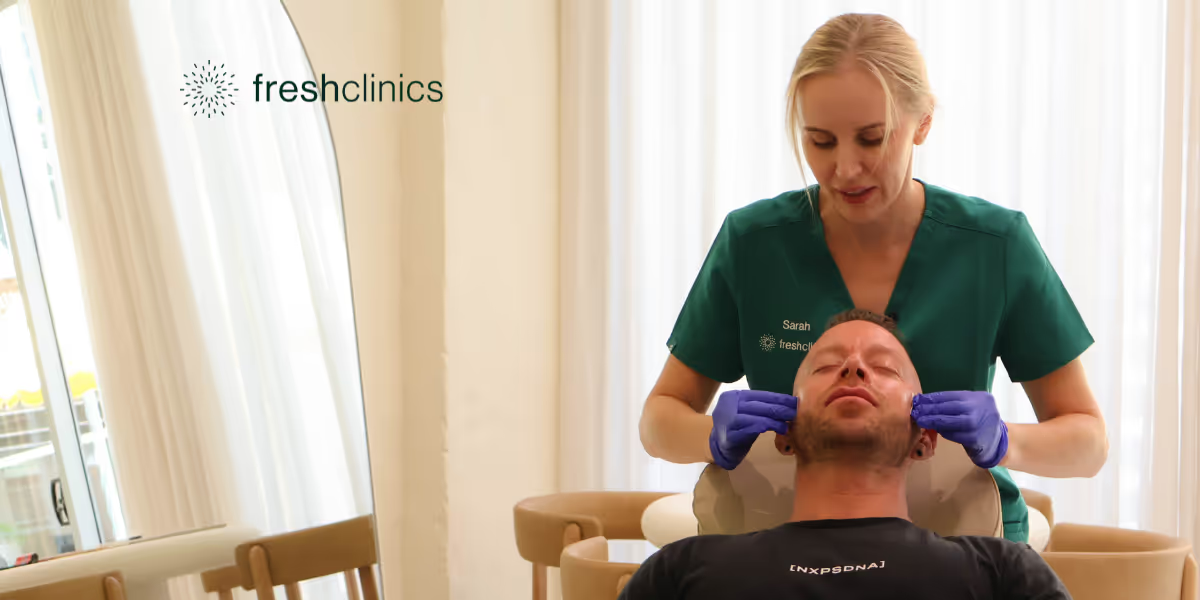
What is Regenerative Medicine?
Can you imagine using your own cells to repair signs of aging or reverse chronic conditions? With regenerative medicine, this is slowly but surely becoming possible.
Regenerative medicine is an emerging field that helps the body replace, repair, and regenerate damaged cells, tissues, or organs. The goal is to help patients restore normal function. For example, in aesthetic medicine, the desired outcome is to restore the patient’s natural body, not simply hide the signs of aging.
In this article, we’ll break down what regenerative medicine is, the top treatments being used today, how it’s changing the aesthetics industry, and what’s coming next.
Key aspects of regenerative medicine
The practice of regenerative medicine draws on cell biology, genetics, bioengineering, and clinical medicine to promote true repair and, in some cases, reverse damage entirely. It’s built upon the concept that, in the right conditions, the body has all the tools it needs to heal itself from minor injuries.
Supporting the body to heal
Our bodies already know how to heal cuts, mend bones, and fight infection. Regenerative medicine builds on that by stimulating or enhancing the body’s natural repair mechanisms. This can mean triggering collagen production, increasing blood flow, or signaling the body to produce new cells.
Cell-based therapies (stem cells)
Stem cells can turn into many different types of cells, such as bone, blood, muscles, and nerves. In regenerative medicine, they are used to repair damaged tissue. The most common source of stem cells in medical treatments today is taken from adult bone marrow or fat tissue. For example, doctors might inject stem cells from fat tissue into an injured joint to promote healing and reduce inflammation.
Building new tissue from scratch (tissue engineering)
Tissue engineering is the practice of using a structure, like a soft, mesh-like material, along with cells to help the body grow new tissue.
It’s already being used to create skin grafts, cartilage, and parts of organs. This approach is especially helpful when the body can’t heal on its own, such as after a burn, injury, or surgery.
The tools that support cell growth and repair
As the field grows, the tools used by medical scientists are constantly evolving. Currently, regenerative therapies often involve biomaterials (materials that are safe for inside the body) that support cell growth, or gene therapy that helps restore or enhance a cell’s function at the DNA level.
Examples of regenerative medicine in use today
Healing with your own blood (platelet-rich plasma)
Platelet-rich plasma (PRP) therapy uses a patient's own blood to promote healing. After drawing blood, it's spun in a centrifuge to concentrate the platelets, which are then injected into the targeted area. PRP is commonly used for injury recovery, skin rejuvenation, and hair growth.
Relieving joint pain with natural cushioning (viscosupplementation)
This treatment involves injecting hyaluronic acid, a gel-like substance, naturally found in healthy joints. In people with osteoarthritis, their natural level of this substance drops, which can cause pain and stiffness. This treatment helps restore lubrication in the joint, usually the knee, making movement feel smoother and reducing discomfort.
Growing organs from your own cells
Researchers are working on growing entire organs in labs using a patient's own cells. This approach aims to provide future alternatives to organ transplants, reducing the risk of rejection. While we're still years away from fully functional lab-grown organs, recent developments in 2024 from scientists at UC San Francisco and Cedars-Sinai have taken promising strides towards bringing this concept to life.
Waking up the body’s repair system
Some therapies aim to stimulate the body's own cells to repair themselves. By engaging these dormant or damaged cells, the treatments encourage natural regeneration, potentially reducing the need for invasive procedures. A simple example of this is microneedling, which creates small tears in the skin to promote collagen production.
What is regenerative aesthetics?
Regenerative aesthetics is the future of the aesthetics industry, combining the science of healing with modern beauty treatments. It uses the principles of regenerative medicine, like stimulating collagen, restoring tissue, and boosting cellular activity for cosmetic treatments. The goal is to deliver natural-looking results by encouraging the body to heal and renew itself. That means fewer artificial fillers, less downtime, and longer-lasting results.
Popular regenerative aesthetic treatments include:
- PRP for skin rejuvenation: Sometimes called a “vampire facial,” this uses the patient’s own plasma to boost collagen, improve texture, and reduce signs of aging.
- PRP for hair restoration: Injecting PRP into the scalp can stimulate dormant hair follicles, improving thickness and regrowth over time.
- Exosome therapy: Exosomes are naturally released in the body to promote healing. When extracted and applied to the skin, they can reduce inflammation, support cell turnover, and brighten complexions.
- Polynucleotide injections: Derived from salmon DNA, these injections are designed to hydrate, repair, and improve skin elasticity at a deep level. They're especially popular for under-eye rejuvenation and dull skin.
- Skin boosters: Unlike traditional fillers, skin boosters spread under the skin to hydrate and subtly plump. They also encourage collagen and elastin production over time, which is beneficial for patients looking to reduce the signs of aging.
- Nanofat grafting: This is when fat is gathered from the patient, filtered to isolate the regenerative cells, and then injected into delicate areas like under the eyes or around the mouth. It improves skin quality and volume with long-term effects.
Real-world results
A 2024 study on PRP for skin rejuvenation found that treatment led to significant improvements in facial features after just one to three sessions.
Another study in 2023 found that combining microneedling with exosomes led to faster healing and better results. The patients showed noticeable improvements in wrinkles, elasticity, hydration, and pigmentation.
What does the future hold for regenerative medicine?
The future of regenerative medicine is moving fast due to patient demand and major scientific progress. Researchers are already testing 3D-printed organs made from a person’s own cells, which could one day replace the need for the more risky practice of donor transplants. Gene editing tools like CRISPR are also showing real promise and could help fix the root cause of certain diseases.
It might sound futuristic, but these breakthroughs are already happening in labs and early trials. If things keep heading in the right direction, we’ll start seeing more of these treatments helping real patients in the next few years.
Regenerative medicine is all about helping the body naturally fix itself. From joint pain to skin and hair, these treatments are already making a difference, and they are only getting started.
At Fresh Clinics, we support medical professionals with the tools, knowledge, and oversight to offer safe, effective regenerative treatments
Ready to take the first step? Contact Fresh today!
FAQs
What therapies are currently provided in regenerative medicine?
Some of the most common regenerative medicine treatments include platelet-rich plasma (PRP), stem cell therapies, and microneedling with growth factors like Exosomes. These therapies are used to repair damaged cells, tissues, or organs, especially for joints, skin, and hair.
What kind of conditions can regenerative medicine help with?
Currently, regenerative medicine is being used for joint pain, soft tissue injuries, hair loss, and skin aging. As the field of regenerative medicine grows, it’s also being studied for organ repair and more complex medical conditions.
Is stem cell therapy safe?
Stem cell therapies are already being used in both medical and aesthetic clinics, especially for joint issues and skin rejuvenation. Most use stem cells from bone marrow or fat, and while research is still ongoing, they’re generally considered safe when done by qualified professionals.
How is regenerative medicine different from traditional treatments?
Unlike treatments that only manage symptoms, regenerative medicine focuses on fully healing. It supports the body’s ability to repair damaged tissue and restore normal function using cell therapy, growth factors, or tissue engineering.What are iPS cells, and why do they matter?
Induced pluripotent stem (iPS) cells are adult cells reprogrammed to act like pluripotent stem cells. That means they can turn into nearly any cell type. Researchers see them as a safer, more ethical alternative to human embryonic stem cells in regenerative medicine research.
How is 3D bioprinting being used in regenerative medicine?
3D bioprinting is an emerging technology that uses living cells to print engineered tissue. The goal is to eventually build complex organ and tissue structures that are structurally and functionally similar to natural ones.
Can regenerative medicine help with heart failure?
Yes. One type of regenerative medicine being studied for heart failure involves growing or transplanting healthy muscle cells into damaged skeletal muscle to restore heart function. While it’s still in early development, it’s one of the most promising therapies and future directions in the field.
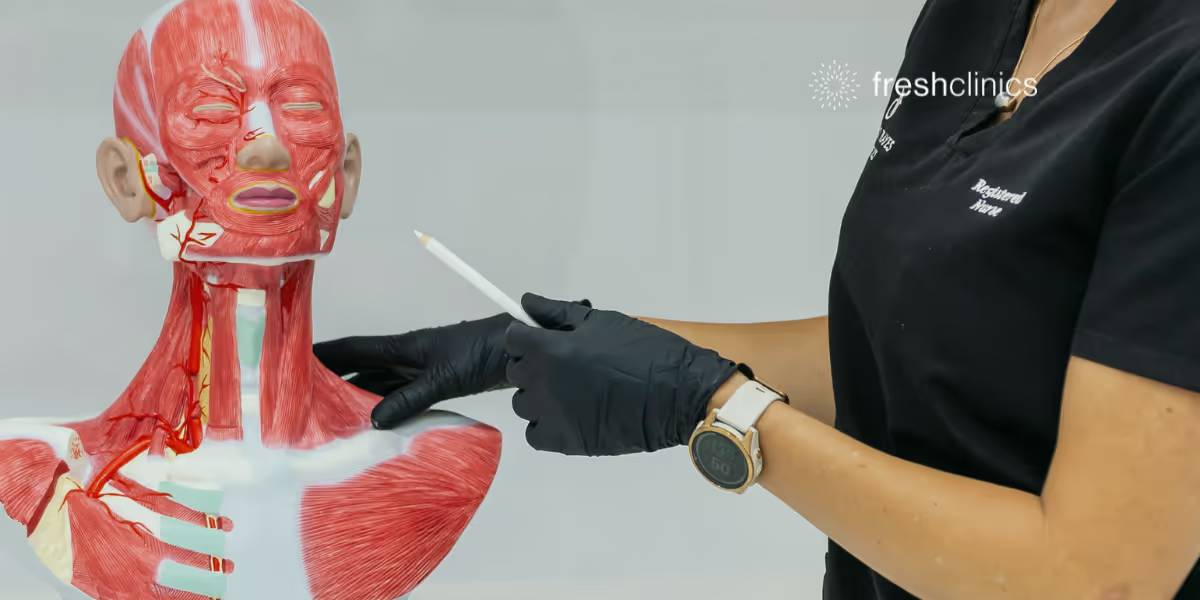
Managing Vascular Occlusions: Insights from Dr Holbrook

The content of this blog is designed and intended for the education of Healthcare Professionals
The art of bringing a change to one’s appearance through non-surgical cosmetic procedures calls for expert precision and knowledge. However, even in the hands of the most skilled professional, complications can arise.
Fresh Members recently had the opportunity to dive into an educational session with our very own Dr John Holbrook, on managing vascular occlusions (VOs) in aesthetic treatments.
Vascular Occlusions: A Fear for Practitioners
"The vessels in our bodies, particularly in our face, are all connected," Dr Holbrook emphasized during the session. Vascular occlusion, a rare but serious complication, can result from dermal filler treatments, with incidences being roughly 1 in 10,000. While low, the risk is real and can result in serious complications if not managed promptly and appropriately.
To minimise the occurrence of VOs, practitioners often adopt standard procedures. For example, the idea of only injecting in 'safe' points has always been conventional. However, it's not a course that Dr Holbrook advocates,"There's no safe...everywhere can be risky.”
The Treatment Approach
When an occlusion is suspected or occurs, the first course of treatment is to call in an expert immediately.
Another critical part of the immediate response is injecting hyaluronidase into the affected area, an enzyme that can potentially reverse the occlusion by breaking down the filler.
Dr Holbrook shared through his personal experience, how he managed a rare, yet serious VO that affected a patient's chin and tongue due to a midline filler injection in the chin.
"We fixed it in a day… and it didn't require any further interventions," Dr Holbrook recalled about one of the most complex cases he'd managed. Despite immediate action, the patient still experienced extreme pain, challenging the process of treatment. Utilizing hyaluronidase and maintaining an open line of communication with other specialists, the case was successfully navigated.
It is important to emphasize the need for persistence in managing occlusion. Dr Holbrook noted, "Just because it has always been okay before, doesn't mean it will be okay this time."
He reiterated that every treatment comes with its own level of uncertainty and risk.
The need to remain constantly cautious and prepared for any event is one that resonated deeply with our Members. In the face of such potential complications, the importance of patient well-being remains at the forefront.
The session was a wealth of information on managing vascular occlusions, and a testament to Dr Holbrook's persistent, dynamic, and patient-first approach.
Not a Fresh Member?
9 Luxury Interior Design Ideas For Your Med Spa
When a patient walks into your med spa, they’re not only here for the treatments; they’re looking for the feeling of calm, trust, and elegance.
Thoughtful interior design sets the tone before a single needle is uncapped. Sure, a well-designed space looks amazing on socials, but it also builds real-world trust the moment clients walk in. It builds credibility, helps clients relax, and shows that you care about the experience as much as the results.
Whether you’re starting fresh or refining what you’ve already built, these nine design ideas are all about making your space feel calm, polished, and professional.
1. Make your entrance feel like a high-end boutique

First impressions start at the front desk.
Think soft curves, clean lines, and materials that feel expensive, like fluted timber, travertine, or reeded glass.
Your reception should also be a place for clients to relax before and after their treatments, like comfortable chairs, low lighting, herbal tea, and maybe a hint of fragrance in the air.
Tip: Add one showstopper. A sculptural vase, a designer lamp, or a signature scent.
Image: Byron Bay Luxury Homes
2. Update your neutrals with earthy tones

Cream-on-cream has been done, but in 2025, neutrals are getting more depth and a little personality. If you want your space to feel calm but not bland, layer soft whites with richer tones like taupe, olive, clay, or stone.
These colors are inspired by nature, which naturally helps clients feel more grounded, safe, and relaxed. You can also try using light blues or soft, beach-like colours to add a sense of calm to the space.
While white or warm beige have their place, building on them with earth tones can strike the right balance between professionalism and warmth.
Image: Pinterest
3. Clean but not cold

Clinical doesn’t have to mean cold. In 2025, the most elevated med spas are embracing sculptural design elements, think curved counters, fluted walls, and rounded furnishings, to bring softness and warmth into their space. These forms feel modern and organic, helping you move away from that boxy “waiting room” look without sacrificing professionalism.
It’s a subtle way to soften the space and move away from that standard “waiting room” feel, without losing the clean, clinical edge you need. Tip: For a luxury finish that’s still hygienic, consider a polished natural stone like sealed marble, which is easy to clean and elevates the look instantly.
Image: Interior Design Awards
4. Use lighting to shape mood and perception

Renowned interior designer Jonathan Adler said it best when he said, “Lighting is everything. It can make a room feel warm, cozy, and inviting, or cold and unwelcoming.”
And in 2025, elevated med spas are treating it that way, moving beyond harsh, clinical light in favor of warm recessed strips, minimalist sconces, and soft pendants that set the mood without distraction.
In treatment rooms, you’ll need your lighting to still be functional, but ideally adjustable, so you're not overwhelming clients with brightness the moment they walk in.
Image: Jonathan Adler
5. Function first, beauty second

It’s easy to get swept up in aesthetics, but if your space doesn’t work day to day, it’s going to cause stress.
Start by mapping out how your team moves through the clinic. Can they get from the front desk to the treatment rooms quickly? Are supplies easy to grab without digging through drawers? Are the waste bins where they need to be? Reception desks should have hidden storage to make your staff happy, where they can store their forms, tech, or even snacks.
Treatment rooms need cleanable surfaces, a logical layout, and room for staff to move comfortably around the client.
Image: Interempresas
6. Doors that blend privacy and polish

Doors do more than separate rooms. A heavy, loud, or poorly finished door can make a space feel cold and clinical. The wrong material? It clashes with your palette and shows every fingerprint.
For a more elevated look, opt for flush doors with minimal hardware, or soft-close sliders that save space without compromising on style. Matte finishes, frosted glass, and sealed timber strike the right balance between beauty and practicality. Soundproofing is essential in treatment rooms, where clients may be discussing personal medical details or undergoing procedures that require discretion.
Tip: Keep your door finishes consistent throughout the clinic. It’s a small detail, but it helps the entire space feel calm, intentional, and beautifully considered.
Image: Divisare
7. Flooring that’s practical and built to last

Flooring is one of the hardest-working surfaces in your space. It needs to look beautiful, hold up under constant foot traffic, and meet hygiene requirements.
In clinical zones, go for sealed concrete, large-format tile, or natural stone. These materials are also easy to disinfect and hold their shape over time. In reception, a low-pile rug or mat adds contrast, just make sure it’s washable and won’t catch under chairs.
Tip: Avoid high-shine finishes or anything with too much texture as they’re harder to clean and show wear quickly.
Image: Eye Envie Lash & Co.
8. Make your retail feel helpful

Retail can feel like an afterthought in many med spas, or worse, a hard sell that ends up gathering dust.
However, when done right, it adds value and enhances the client experience.
Use backlit shelving that matches the rest of your design. Keep your displays minimal, products spaced out, and signage clear. Patients will actually want to browse through your products if they are displayed nicely.
Tip: Position your products for sale near your counter or next to where clients sit and wait. Always keep overstock hidden to keep a clean, organized look.
Image: Arch Daily
9. Plan for technology, and conceal it well

Tech is part of every med spa, from check-in tablets, booking software, and EMR stations. '
Patients want your clinic to be using the latest tech, but it shouldn’t dominate the space.
Bulky monitors, visible cables, or mismatched devices can quickly ruin an otherwise polished look. Choose hardware that suits your aesthetic, and work with cabinetry that can tuck away cords, printers, and modems.
Tip: Consider wall-mounted tablets at reception or consultation areas, as they are sleek, functional, and space-saving.
Image: Place Ideal
Key considerations for standing out
A well-designed med spa stands out because it feels intentional, not overdone. Start by defining your brand and building around that. Ask yourself, will your med spa be sleek and clinical, or soft and nurturing? How you want to define your brand should guide every detail, from the color of your walls to the shape of your reception desk.
Create a layout that flows. Avoid cramming too many chairs into reception or having clients pass storage bins on the way to the treatment rooms. Use a mix of wall lights, ceiling spots, and hidden strips, and avoid anything too harsh or blue-toned in the reception and bathrooms. Clients should feel flattered by the lighting, not exposed by it.
Add discreet signage and staff uniforms that match your palette. It’s less about each individual touch, but more about how they all come together.
Your med spa doesn’t need to be the trendiest spot in town. It just needs to feel calm, polished, and comfortable. When your layout flows, your lighting works, and nothing feels out of place, clients notice.
If you’re thinking about starting a med spa, Fresh Clinics can help. We’ll match you with a medical director, support you with HIPAA-compliant tech, and help keep everything running smoothly from day one.
Ready to create a med spa that feels as good as it looks? Contact Fresh today!
What is a Good Faith Exam? (GFE)
Running a successful med spa, whether you're in Texas, Pennsylvania, or anywhere else, means balancing safety, compliance, and building a loyal patient base.
So before you perform an aesthetic treatment like Botox, fillers, or laser therapy, there’s one fundamental step that needs to happen to make sure it’s done safely and legally.
We’re talking, of course, about the Good Faith Exam (GFE). In this article, we’ll cover what it is, when it’s required, and why it matters for safe and compliant care.
Why good faith exams matter
Before any medical treatment, it’s standard practice to assess a patient’s health and make sure they understand the risks. That’s what a Good Faith Exam does. It protects patient safety and ensures they can give proper consent.
Here’s a closer look at the three key reasons GFEs are a legal requirement.
1. Risk reduction
A GFE helps you understand your patient’s health before treatment begins. It gives your team the chance to review their medical history, spot any red flags, and decide if they’re a safe candidate for the procedure. This step is key to reducing the risk of complications, especially if the patient has conditions or medications that could affect the outcome or cause them harm.
2. Consent
GFEs give patients the chance to ask questions, understand their options, and get clear on what results they can expect or side effects.
This process ensures they can give informed consent, meaning they fully understand the treatment and what it involves before agreeing to proceed.
3. Compliance
Med spas are legally required to conduct GFEs before performing medical treatments. Keeping clear documentation of each exam helps ensure compliance, protects your patients, and reduces legal risk for your business.
Who conducts a good faith exam?
A GFE must be performed by a qualified medical professional. This can be done directly by a physician, or by a nurse practitioner or physician assistant working under physician supervision. While the exact requirements vary by state, in Texas and Pennsylvania, supervision by a licensed physician is mandatory. These licensed healthcare providers are trained to spot red flags and recommend safe options based on your medical history and current health.
At Fresh Clinics, your GFEs are made simple and efficient, with medical oversight from the top aesthetic professionals in the USA. Learn more.
What happens during a GFE?
If you're opening a med spa or simply want to know what a proper Good Faith Exam should include ahead of your next appointment, here's an overview of the process.
1. Medical history review
Providers typically begin their GFEs by reviewing the patient’s medical history, including allergies, medications, past procedures, and any existing health conditions. This step is essential to identify any potential risks before treatment begins.
2. Physical or virtual exam
Depending on your state laws, the GFE may be done in person or via telehealth. In both Texas and Pennsylvania, either can be carried out.
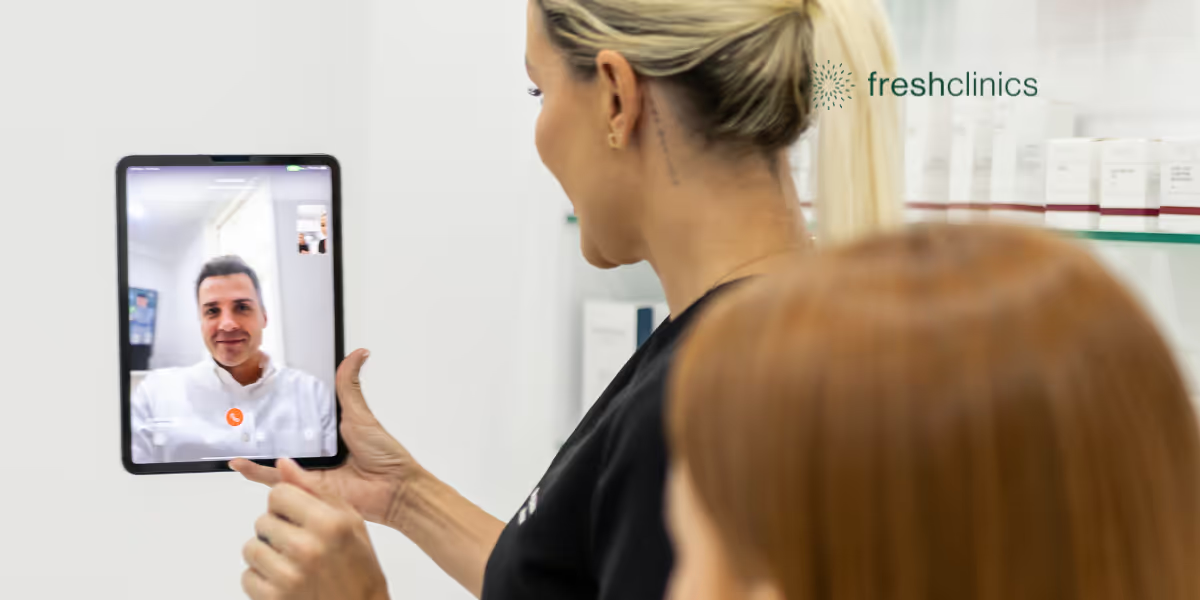
During an in-person exam, the provider may check vital signs, assess skin condition, or physically examine the treatment area to make sure it's safe to proceed. In a virtual exam, the provider will visually inspect the patient over video, ask targeted health questions, and look for any visible concerns, such as skin issues, signs of infection, or anything that may affect the outcome of the treatment. The goal is to confirm the patient is in good health and a suitable candidate for the procedure.
3. Personalized treatment planning
Based on the results of the GFE, you’ll receive treatment recommendations that are tailored to your specific circumstances. This step helps to ensure that your customized treatment plan will be safe and effective.
In-person vs virtual GFEs
Depending on your state, Good Faith Exams can be done either in person or through telehealth. In places like Texas and Pennsylvania, both are permitted, but the process still needs to meet clinical standards. Choosing between the two often comes down to your setup, the treatment type, and what works best for your team and patients.
Here’s how they compare:
In-person GFE: The provider can check vital signs, assess skin and treatment areas, and ask questions face-to-face.
Virtual GFE: Done via video call, the provider visually assesses the patient, asks targeted health questions, and looks for any red flags that could impact treatment.
In both cases, you’ll want to record the assessment, treatment decision, and provider details clearly to show you’ve met medical and legal requirements. This protects your business and ensures patient care is fully traceable.
What are the benefits of a good faith exam?
Good Faith Exams (GFEs) offer a wide range of benefits, and they don’t just apply to patients. They can also be advantageous to providers and med spa owners. At their core, a GFE helps to create a safer, more transparent, and compliant environment for these medical aesthetic treatments to take place.
Here’s how they do that:
1. Enhanced patient safety
The number one priority in any medical spa should be patient safety. A GFE helps providers identify potential contraindications, underlying medical conditions, or medications that could interfere with treatment. By thoroughly assessing a patient’s medical history and current health status, providers can recommend effective and safe treatments to reduce the risk of complications or adverse reactions.
2. Improved patient trust and satisfaction
When patients know that a licensed medical professional is reviewing their case before treatment, it helps to build their trust. The GFE gives patients a chance to ask questions, receive honest feedback, and feel confident about their decision. This transparency often leads to a higher level of satisfaction and can build stronger provider-patient relationships.
3. Better treatment planning
A GFE lays the groundwork to create a customized treatment plan specifically for the individual’s unique needs and health profile.
It helps to ensure the treatment is appropriate for the patient’s goals and physical condition. This, in turn, leads to better outcomes and more consistent results.
4. Regulatory compliance
In many states, including Texas and Pennsylvania, a Good Faith Exam is legally required before you can perform certain procedures.
Having a clear GFE process in place and following it consistently helps ensure your med spa stays compliant with state medical board regulations and accepted standards of care.
5. Potential prevention of board investigations
By completing and documenting a proper GFE, providers can demonstrate that they have taken the necessary steps to evaluate and protect their patients.
All of these steps reduce the risk of complaints or investigations from state medical boards, and most importantly, they help keep your patients safe.

Good Faith Exam (GFE) requirements vary across the U.S., so it’s important to understand the laws in your state. Here are some examples of how the law can vary based on the state you're operating in:
- Texas: GFEs are mandatory before any medical treatment. They can be done in person or via telehealth and must be performed by a licensed professional or supervised by a physician.
- Pennsylvania: Similar to Texas, GFEs must be conducted under physician oversight before medical treatments are performed.
- Illinois: Requires in-person GFEs for certain treatments, particularly injectables and laser services.
- Florida: A physician, nurse practitioner, or physician assistant can do the GFE.
- New York: GFEs are required as part of safe, compliant care. However, the physicians need to own their medical practice.
No matter the state, proper documentation is a non-negotiable for compliance and patient safety.
When is a good faith exam required?
Establishing initial contact with a new patient? Proposing a new treatment plan or significant changes? Noticing a significant time lapse since the last treatment or change in health status? These are scenarios where a GFE becomes non-negotiable. To ensure continuous safety, follow-up GFEs are recommended at least annually for every patient.
Ensuring patient safety in your med spa involves adhering to regulatory requirements that establish a framework for safeguarding patient well-being. Following these guidelines not only creates a secure treatment setting but also ensures med spas comply with healthcare standards designed to uphold ethical and safe practices.
What treatments require a good faith exam?
Any aesthetic procedure in Texas and Pennsylvania (as well as many other states in the USA) that’s considered medical usually requires a GFE. That includes:
- Injectables like Botox or dermal fillers
- IV hydration or vitamin therapy
- Hormone therapy
- Laser treatments and other medical aesthetics services
Essentially, if your prospective treatment involves a needle, prescription drug, or regulated device, you’ll likely need a GFE first.
How Fresh Clinics supports the GFE process
Fresh Clinics was started by industry professionals, so we understand what it’s really like to run a med spa. Finding the right physicians while staying compliant, efficient, and focused on patient care isn’t always easy.
That’s why we make the GFE process easier, with:
- Access to experienced medical directors
- Support from trained providers and clinicians
- Seamless virtual or in-person GFEs
- Documentation that keeps you audit-ready
- A smoother, safer experience for both patients and providers
Whether you're starting out or looking to grow an established med spa, we’ll help you stay compliant so you can focus on what matters most: your patients.
In summary
Overall, a Good Faith Exam should be seen as the foundation on which safe, ethical, and legally sound care is provided in the world of medical aesthetics. As med spas grow in popularity, GFEs ensure that patients receive proper medical evaluations. At the same time, it also helps providers stay within the boundaries of legislated practice. For any provider who wants to deliver high-quality care to their patients, GFEs are a vital part of the process.
Ready to simplify your GFE process?
Fresh Clinics offers the tools and clinical support you need to stay compliant, deliver better care, and grow your med spa with confidence.
Reach out to our team today to learn more about how our spa compliance solutions can help you. Contact Fresh today!
FAQs
Is a Good Faith Exam the same as a regular consultation?
No. While both may involve discussing your goals, a Good Faith Exam is a formal medical evaluation performed by a licensed healthcare provider. It involves reviewing your medical history, assessing your current health, and determining your eligibility for specific aesthetic treatments.
Do I need a GFE before every medical procedure at a med spa?
Yes, in most cases. GFEs are required before treatments like injectables, hormone therapy, and IV therapy to ensure safe and effective care based on your current health status.
Can a GFE be done virtually?
In many states in the USA, including Texas and Pennsylvania, where we operate, virtual good faith exams are allowed. However, these remote assessments still require a review of patient evaluations and a visual medical assessment conducted by a licensed medical provider.
What’s reviewed during the GFE?
The provider looks at your medical conditions, current medications, allergies, and any potential risks related to your requested treatment. They will then offer treatment recommendations tailored to your health and goals.
Why is it important for providers to follow the GFE process?
Following the GFE process helps to ensure patient safety and avoid legal issues. In addition, it supports ethical care standards that are being met, especially in exams in medical spas where oversight is crucial.