Health
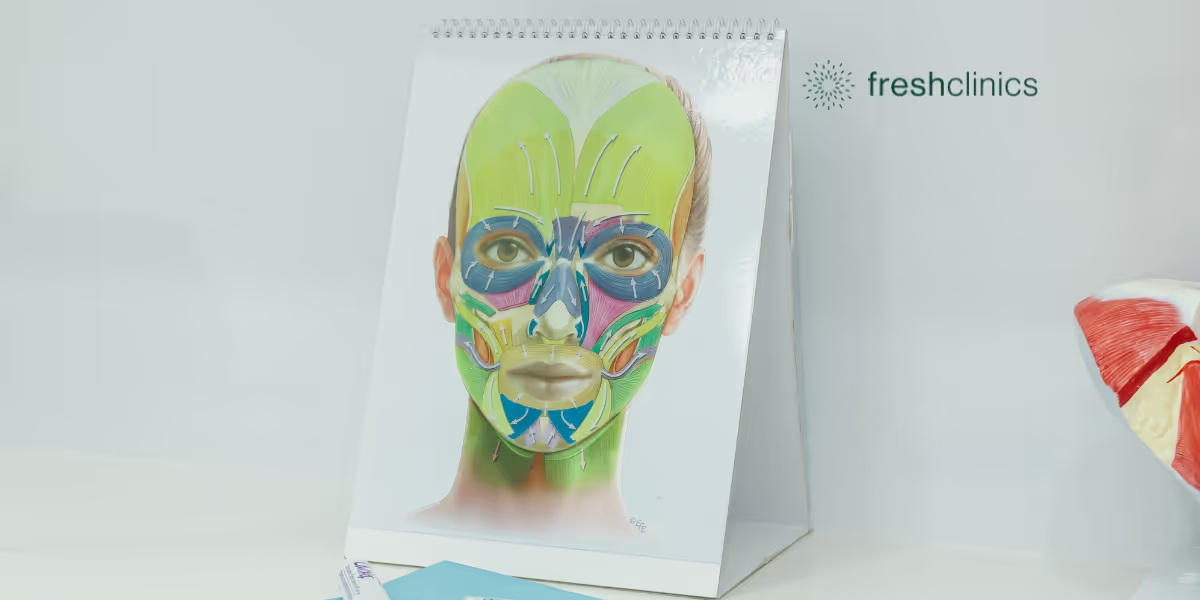
Injecting Innovation into the Cosmetic Industry
-2.avif)
The content of this blog is designed and intended for the education of medical professionals
Welcome to a new era of aesthetic enhancements.
In an exciting training session exclusive to our Fresh members, we witnessed the thrilling launch of an exciting new product in the world of aesthetics, e.p.t.q.®, (Efficacy, Purity, Technology, and Quality) - a range of dermal fillers with an undeniable potential to revolutionize the treatment landscape, nurtured to perfection by the globally acclaimed Xytide.
We heard firsthand from Troy Guthrie, the Managing Director of Xytide, and Dr Jenny Kimmons, a renowned cosmetic doctor with nearly two decades of experience, who provided invaluable insights into the product.
The industry-shifting filler was born in South Korea, home to some of the most advanced aesthetic medical treatments. Today, South Korea is recognised as a world leader in both injectable treatments and innovative devices, and e.p.t.q® fits seamlessly into this narrative.
What makes e.p.t.q® stand out?
e.p.t.q® uses a unique technology that sets it apart from conventional HA fillers. It caters to an increasing number of clients seeking treatments for high-risk areas like the forehead, nose, and tear troughs – areas often considered tougher to treat.
What separates this technology from other fillers is its patented nine-step manufacturing process, and its CM technology, which guarantees a secure and pure environment. This technology gives an edge to e.pt.q in terms of resilience to tissue, the ability to remain cohesive after injection, and a robust safety profile - an aspect that has been boosted by considerable overseas experience and several clinical papers.
Case Studies
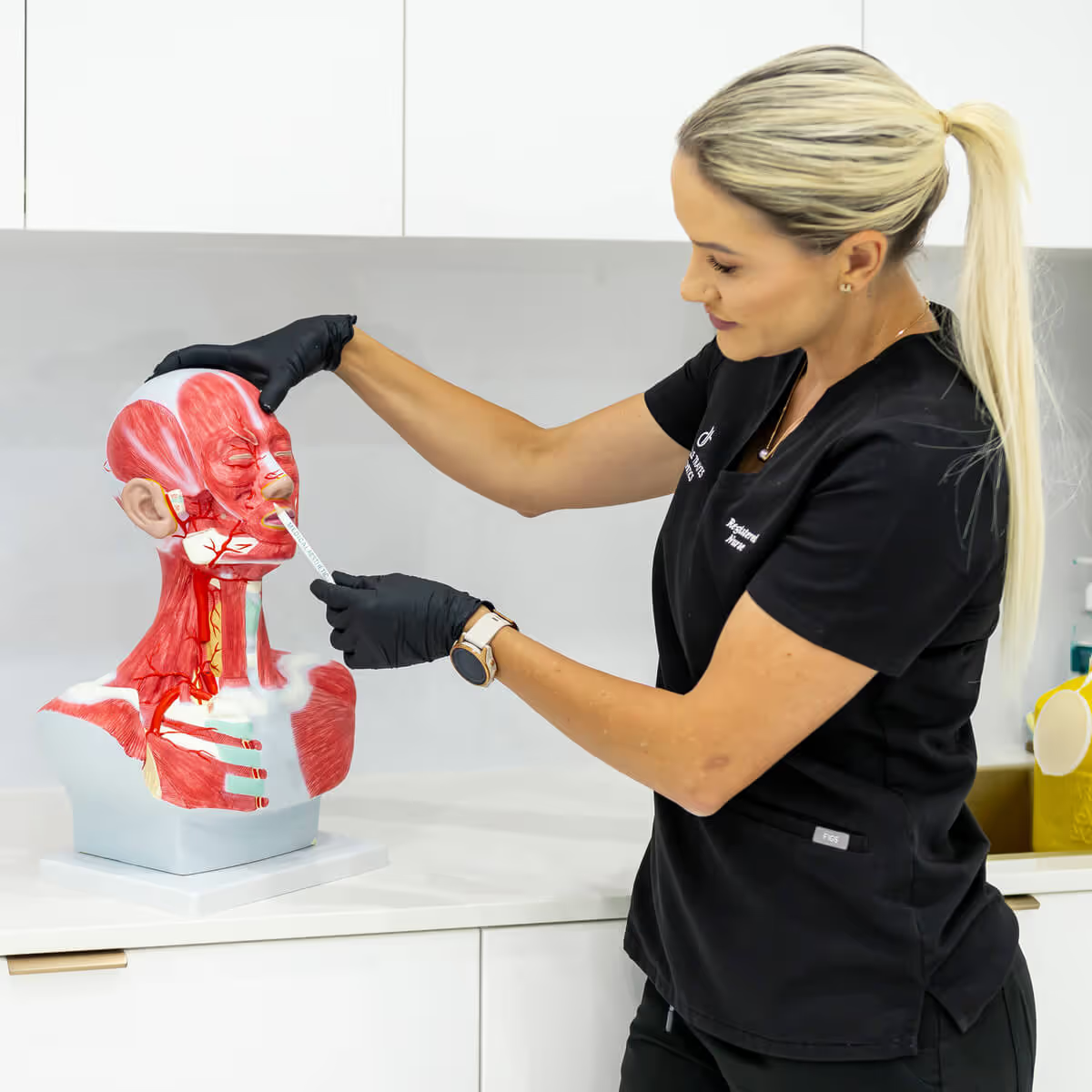
Drawing on Dr Jenny’s training session, some of the outcomes achieved using e.p.t.q so far are:
Patient one: A mature patient with lip lines and less volume was treated with S 100. The fillers were used to improve the volume in her lips and enhance the peri-oral area evenly.
Patient two: A younger patient had asymmetry in her lips corrected by injecting S 300. The patient retained her youthful look with balanced lips.
Patient three: A woman with a dramatic loss of cheek volume received a combination of S 500 and S 300 to lift her facial structure and enhance her appearance.
e.p.t.q® fillers offer strong projection using less product, which yes, means you get more bang for your buck! The incorporation of hyaluronic acid in the e.p.t.q® range enhances longevity, lasting up to 12 months in some patients, the benefit of which is explored in: Emerging Trends in Cosmetic Treatments: Longer-Lasting Hyaluronic Acid Products.
It is an excellent choice not just for lips and cheeks, but also for injecting into high-risk areas due to its improved safety profile and reversibility using Hyaluronidase.
e.p.t.q® represents a significant evolution in the field of cosmetic medicine, offering aesthetic practitioners versatility in their treatment options that deliver top-notch results.
The decision to launch e.p.t.q® exclusively with Fresh Clinics highlights our commitment to delivering high-quality, exclusive products to our Fresh Members. At Fresh Clinics, we pride ourselves on providing our strong community of Nurses with access to the best education and upskilling in the industry.
Not a Fresh Clinics member yet? Reach out to our team today, call us, or schedule a time to chat below to discuss how to become a Fresh Clinics member and take advantage of Fresh initiatives today.

Regenerative Medicine in Aesthetics
You may have heard about the latest advancement in the cosmetic industry: regenerative medicine. These new treatment offerings are bigger than ever - and they’re taking the industry by storm.
Regenerative medicine is an innovative approach that taps into the body's natural healing abilities to actively repair tissues and rejuvenate human cells.
Subtle aesthetic enhancements, also known as ‘tweakments,’ are becoming more and more popular in today’s cosmetic industry, and many patients are on the lookout for practitioners & treatments that offer a natural result.
Regenerative medicine is a great option for practitioners who are looking to provide alternative approaches to holistic facial harmonisation, that are adjacent to more traditional treatment options.
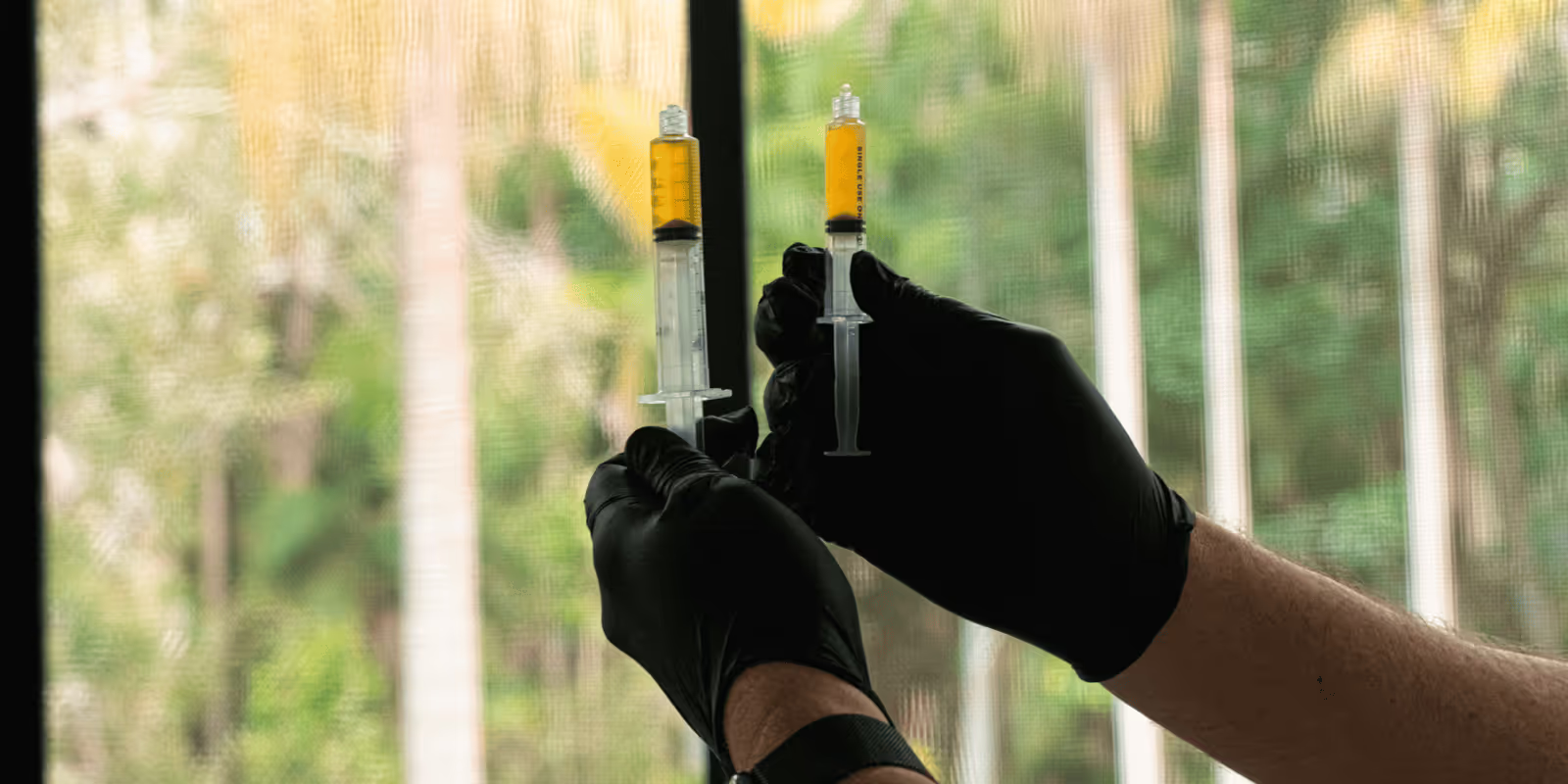
So, should I offer it to my patients?
Consider diving into the world of regenerative medicine if:
- You want to offer your patients a unique, non-surgical treatment that aims to improve wrinkles, sun damage, hyperpigmentation, acne scars, sagging skin, and fine lines
- Your clientele is interested in alternative treatments, and want to enhance their natural features
- You are looking to expand your treatment offerings in med spa to assist in growing your business
The future of regenerative medicine is bright, and at Fresh Clinics, we are committed to empowering you with the knowledge, expertize, and tools to offer new treatments to your patients. We educate our training team on new products & developments in technology at our Sydney Head Office regularly, to ensure we are always at the forefront of what is available to you.

Our Head of Training attended the Launch Symposium event hosted by K Bridge Medical, for their new Polynucleotide product, and was “so excited, because these products and technology are unlike anything we have on the market”.
She was also one of twenty nurses invited to attend an exclusive hands on training of the product following the event.
What is a Polynucleotide?
Unlike most skin boosters, this product is made from a polynucleotide DNA extracted from Salmon, which has the closest DNA base composition to the human body – making it the first of its kind in the market.
The product’s bio-active DNA assists in stimulating regeneration and repair, in return reducing inflammation and increasing the number of fibroblast cells.
There are many different products and devices you can introduce to your med spa to meet the ever-growing market need. The best way to decide what is suited to your med spa's specific patient demographic is by attending exclusive supplier-hosted training through Fresh Clinics and speaking to your account manager.
Not a Fresh Clinics member yet? Reach out to our team today, call us, or schedule a time to chat below to discuss how to become a Fresh Clinics member and take advantage of Fresh Training initiatives today.

Fresh Insights Dashboards: Unleash Growth
Welcome to the Future of Clinic Management
At Fresh Clinics, we're excited to unveil our latest innovation: the Fresh Insights Dashboards. Designed to revolutionise the way you manage your med spa, these powerful tools provide unparalleled visibility and actionable insights to propel your practice to new heights. Whether you're an established med spa owner or a seasoned practitioner, Fresh Insights Dashboards are your secret weapon for success in today's competitive market.

Gain Unprecedented Visibility into Your Med Spa's Performance
With the Fresh Insights Dashboards, you'll have access to a wealth of data-driven insights that empower you to make informed decisions and optimise every aspect of your med spa's operations. From patient demographics to product usage trends, these dashboards offer a comprehensive overview of your med spa's performance, allowing you to identify growth opportunities, streamline workflows, and drive continuous improvement.

Transform Your Decision-Making Process
Say goodbye to guesswork and hello to data-driven decision-making. With the Clinic Insights Dashboard, you can track key metrics such as patient demographics, product purchases, and appointment trends, giving you the insights you need to make strategic decisions that drive growth and profitability. And with the Nurse Insights Dashboard, your staff can access personalised metrics tailored to their performance, empowering them to deliver exceptional care and optimise their workflows.
Unlock Growth Opportunities and Stay Ahead of the Curve
Fresh Insights Dashboards aren't just about tracking performance—they're about unlocking growth opportunities and staying ahead of the competition. Benchmark your med spa against high-volume peers, identify trends in product usage and patient demographics, and leverage personalised recommendations to optimise every aspect of your practice. With Fresh Insights Dashboards, the possibilities are endless.
Seamless Integration, Maximum Impact
Integrating seamlessly with your existing workflows, Fresh Insights Dashboards make it easy to incorporate actionable insights into your daily operations. Whether you're tracking product dosage trends in your inventory feature or accessing personalised recommendations based on your med spa's unique data, Fresh Insights Dashboards are designed to optimise every aspect of your practice, ensuring maximum impact and efficiency.

Empower Your Practice and Elevate Your Success
Don't settle for average when you can achieve greatness with Fresh Insights Dashboards. Empower your practice, elevate your success, and join the ranks of industry leaders who are redefining the future of aesthetics. Your journey to success starts here—get started with Fresh Insights Dashboards and unlock the full potential of your med spa today!
Transform Your Med Spa Management with Fresh Insights
With Fresh Insights Dashboards, identifying growth opportunities has never been easier. Track product purchases and spending breakdowns to optimise inventory management. Gain insights into patient demographics and appointment trends to tailor your services and enhance patient satisfaction. And benchmark your med spa against high-volume peers to stay ahead of industry trends and drive continuous improvement.
Get a sneak peak in to the Fresh Clinics' Insights Dashboard
Empower Your Practice Today
Ready to take your med spa to the next level? Get started with Fresh Insights Dashboards and unleash the full potential of your practice. Whether you're an owner-operator, business partner, or manager, Fresh Insights Dashboards are your secret weapon for success. Don't settle for average—embrace the power of data-driven decision-making and join the ranks of industry leaders who are redefining the future of aesthetics. Your journey to success starts here!
Reach out to our team today or schedule a time to chat below to discuss how to become a Fresh Clinics member and take advantage of your business insights with Fresh!
Mastering Techniques of The Lip Matrix
-2.png)
The content of this blog is designed and intended for the education of Healthcare Professionals
Explore the intricacies of advanced lip augmentation techniques as we delve into a recent webinar with highly experienced cosmetic nurse, Sarah Bannon. Sharing her in-depth knowledge of facial anatomy from a comprehensive background in plastic surgery, Sarah outlines an array of sophisticated techniques to optimize the outcomes of lip augmentation procedures.
The Art and Science of Lip Augmentation
During the session, Sarah stated, "With a comprehensive understanding of anatomy and mastering injection precision and product selection, injectors can wield the knowledge and confidence necessary to deliver exceptional results to their patients." Emphasizing the importance of the consultation process, she breaks it down into key aspects: listening, interpreting expectations, planning procedures, devising aftercare plans, ensuring that you are ascertaining exactly what your patients want, and explaining that back to them.
Guiding patient expectations is a crucial element in delivering satisfactory results. Sarah points out the influence of social media and celebrity inspiration on clients' desired results. Stay open and honest about their aesthetic goals and always under-promise, and over-deliver – this builds trust and a long-lasting relationship with your patients.
Unlocking The Lip Matrix Mapping Tool
Understanding the desired look your patients want – whether they seek natural lip therapy, lip hydration, or enhanced lip volume - is crucial for determining the proper treatment protocol. Sarah introduced the 'Lip Matrix Mapping Tool', which considers demographics, anatomical considerations, product selection, and tools and techniques to help guide the treatment process and deliver results tailored to each client’s unique needs and desires.
Natural vs. Enhanced Augmentation
There's a fine line between "Natural" and "Enhanced" lip augmentation. While the former focuses on outlining and hydrating particular anatomical features, the latter aims for an intentional increase in size and shape. Both approaches should consider the client's original lip shape and size. With experience and understanding of the anatomical considerations, the right product and technique selection can provide noticeable but natural-looking results.
The Importance of Tools and Techniques
Techniques and tools significantly contribute to the outcome of lip augmentation. Preferred tools range from the 25-gauge cannula to BD syringes and surgical needles, all of which can be selected according to the desired outcome. Sarah emphasised, "I encourage people when I'm training them, to play around with their tools. I think it does help solidify your anatomy when you can change up your tools and techniques.”
Approaching Challenges in Lip Augmentation
Sarah shed light on the many factors that could pose potential challenges during lip augmentation procedures. "Asymmetry with muscle contraction is also something that we all would be dealing with quite a lot." Every aspect of facial anatomy is taken into consideration during the procedures to address possible asymmetries and irregularities to provide personalised treatments for the patient's unique anatomy.
Sarah's insights from the latest webinar at Fresh Clinics provided a comprehensive understanding of achieving mastery in lip augmentation procedures. This customer-centric approach, coupled with a keen understanding of anatomy, the right products, tools, and techniques breeds success in the field of lip augmentation.
"Practice makes perfect", Sarah concluded, encouraging budding injectors to refine their techniques and skills continuously
Not a Fresh Member?
Want to master The Lip Matrix? Your solution is just a call away!
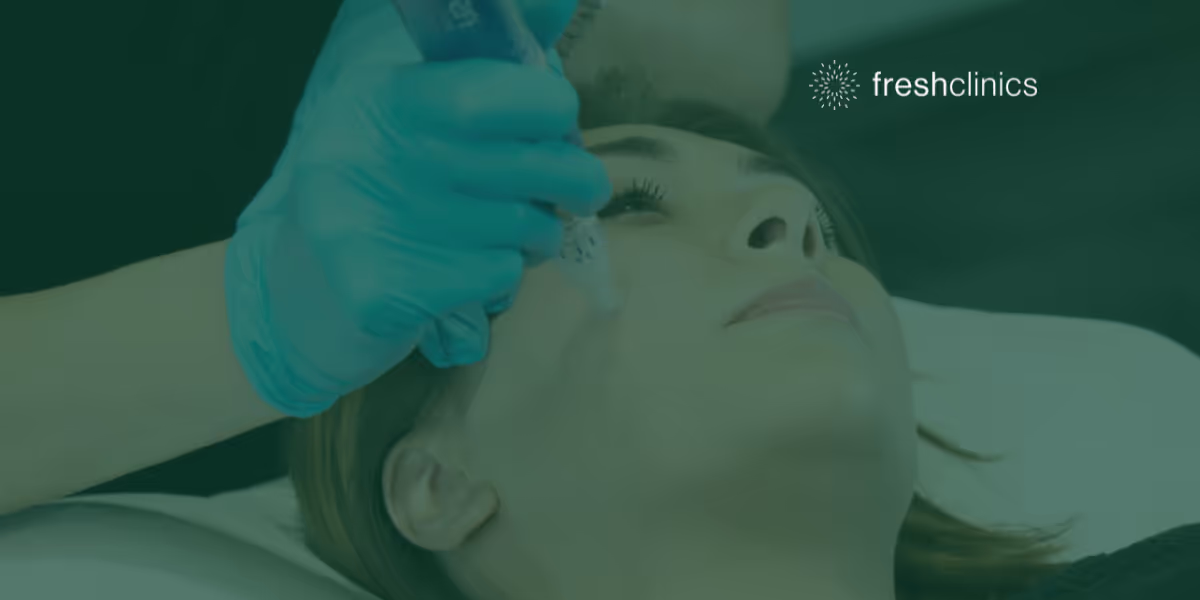
Unlocking the Potential of Microneedling
In the cosmetic and aesthetic industry, constant innovations help us push boundaries to empower clinics to achieve remarkable results. One of the most exciting advancements is microneedling, particularly with devices like SkinPen®. At Fresh Clinics, we’re dedicated to empowering your clinic with the latest tools and insights to stay ahead.
The SkinPen, a medical-grade microneedling device, has the potential to alter the landscape of aesthetic treatments drastically. Specifically designed for cosmetic professionals, this device aligns perfectly with our call for compliance, empowering "clinics to future-proof their practices for whatever lies ahead." - Rochelle Akhavan, Advanced Skin Technology.
The Device
This potent clinical solution caters to various skin types and can be used throughout the year. Contrary to popular belief, microneedling does not exacerbate acne. In fact, it helps in alleviating acne vulgaris and refining the texture of acne scars. Wrinkles, enlarged pores, pigmentation, surgical and stretch marks, fine lines - you name it, and the SkinPen is equipped to tackle it.
Unlike other aesthetic treatments, microneedling with SkinPen is easy to implement with no significant downtime and short-lived side effects such as temporary discomfort and redness. Additionally, a post-treatment protocol usually entails using a singular repair cream for three to four days followed by a regular skincare regimen.
The SkinPen addresses a pressing issue in cosmetics, offering a cost-effective yet efficient solution. This prospect of not just solving but also profitably offers a higher revenue per patient, with the ability to provide more treatments and generate increased revenue.
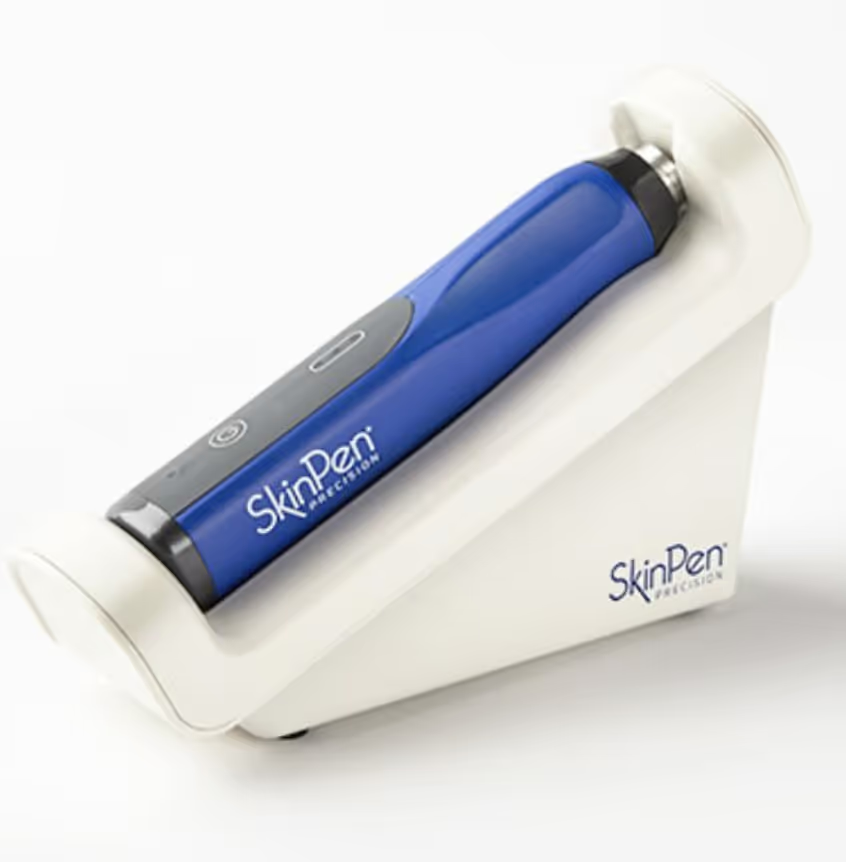
Packed with innovation and backed by solid clinical data, SkinPen is not just a device; it’s an innovative tool, uniquely designed with features like intuitive speed control and continuous power, making it a low-risk, high-reward venture.
At Fresh Clinics, we’re committed to providing our members with the best training and opportunities. Want to get your hands on the SkinPen® at exclusive prices?
Reach out to our team today, call us, or schedule a time to chat below!

The Importance of Ultrasound in Aesthetics
The demand for non-surgical cosmetic procedures is on the rise globally, which is why we strive to stay at the forefront of medical technology, equipping our community with the necessary tools for safety and adverse event management.
In aesthetic medicine, ultrasound technology plays a crucial role in mapping previous fillers on the face and body, guiding injections in high-risk areas to avoid arteries, botulinum toxin in the desired muscle, and guiding hyaluronidase when necessary.
Ultrasound technology ensures accuracy in the administration of cosmetic injectables and allows for detailed monitoring. With the help of ultrasound guidance, a cosmetic nurse can easily view facial anatomy, particularly in high-risk areas, leading to a more precise injection and reducing the risk of adverse events. It also reduces the guesswork accompanying such treatments, bringing a newfound level of effectiveness and patient safety.
Despite complications being reported, the presence of an accurate diagnostic instrument for identifying cutaneous filler deposits could potentially explain the link between the procedure and any adverse events. It's in this context that our pursuit of innovation empowers cosmetic professionals with precise diagnostic tools, and the ability to resolve uncertainties, and ensures our commitment to compliance and regulation within the industry.
A Fresh Perspective on Ultrasound
For those seeking a fresh perspective on how ultrasound can enhance their practice, a compelling case comes from Cathy Wood, founder of Meraki Cosmetics. She recently integrated ultrasound technology into her clinic and has achieved remarkable success in implementing this technique for safer, more effective aesthetic procedures.
In terms of adverse events, Cathy candidly shared an occurrence where she was called to assist in a vascular occlusion during a colleague's filler treatment. The ultrasound technology on hand equipped her to identify and swiftly treat the blockage. Cathy attests that having the ability to dissolve fillers using ultrasound guidance ‘significantly reduces medical complications.’
For Cathy and many other cosmetic nurses, ultrasound has become an indispensable tool in their practice, enhancing precision, granting satisfaction of better patient outcomes, and most importantly, making aesthetic procedures safer.
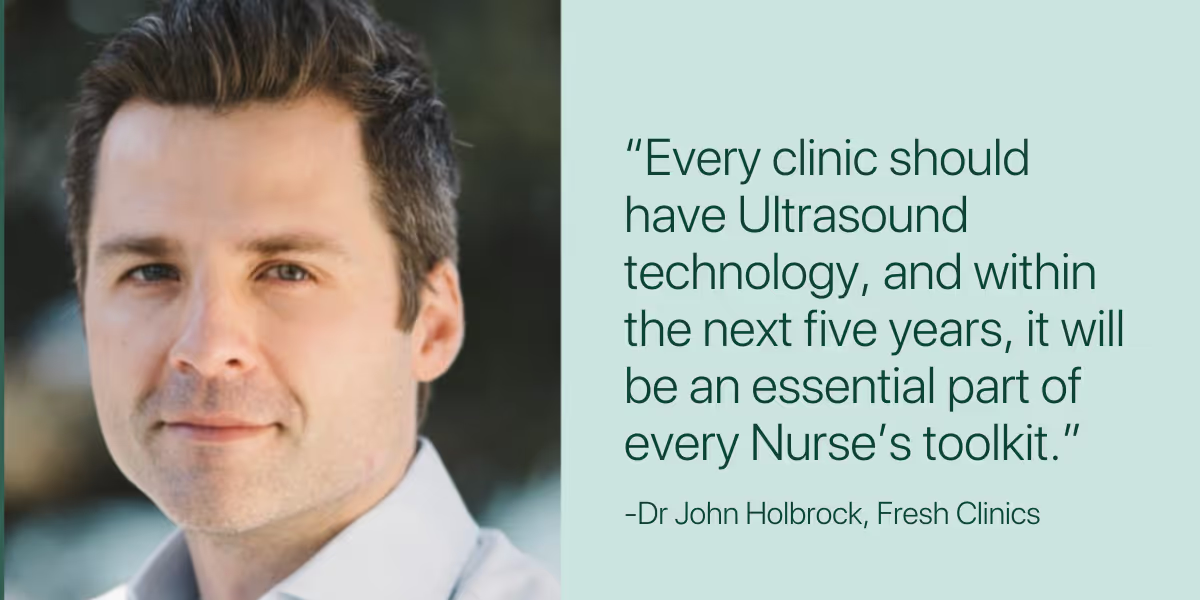
Patients who know that their aesthetic procedures are guided by ultrasound, find comfort and assurance and are more likely to attend clinics that use this technology. Our very own co-founder, Dr. John Holbrook, “firmly believes that every clinic should have Ultrasound technology, and within the next five years, it will become an essential part of every Nurse’s toolkit.”
At Fresh Clinics, we always prioritise safety and stay on top of clinical education for our members, which is why we use our very own ultrasound technology on-site in our training facilities. Cathy recommends embracing the learning curve and mentioned, "I think it {ultrasound} is a hundred percent necessary because you've got experts in the field and top doctors who use it every day as well and have been using it for years."
Simply search "Ultrasound" in the Fresh Shop to explore your purchasing options, or learn more by watching our range of ultrasound webinars in the Fresh Resource Hub, or talk to your Account Manager for further advice.
Not a Fresh Clinics member yet? Reach out to our team today, call us, or schedule a time to chat below to discuss how to become a Fresh Clinics member and take advantage of Fresh Training initiatives today.

Top Aesthetic Trends to Watch Out For
The latest trends in cosmetics signal shifts in the beauty and wellness industry, focusing on things like personalization, natural results, and skincare incorporation.
We’ve put together a guide of the biggest trends to watch out for, to help you offer your patients the best, and gain a deeper understanding of the needs and wants of your consumers.
1. Natural-Looking Results
One of the biggest trends in today’s aesthetics market is the desire and need for natural enhancements. This shift represents the focus on individual beauty rather than completely altering it - and we are all for it!
2. Prevention, Not Repair
You may have noticed that some of your patients are getting younger. More individuals, particularly those in their 20s and 30s, are opting for non-surgical cosmetic treatments as a proactive strategy to slow the formation of fine lines and wrinkles.

3. Personalized Skincare
More and more patients are seeking skincare regimes and procedures that are tailored to their specific skin types, and that can be paired with aesthetic treatments. This demonstrates the importance of developing individualized skincare solutions for your patients.
4. Longer Lasting
It’s no secret that patients want their treatments to last for a long time. The demand for longer-lasting products is increasing, and we’re excited to offer these options to our Members!
5. Non-Invasive Procedures
Innovations in non-invasive technologies such as laser treatments, PRF, radio-frequency therapies, and ultrasound-based interventions offer effective alternatives to cosmetic treatments. These procedures provide significant results with minimal downtime and lower risk and are becoming more and more popular in the industry.
6. Diverse Demographics
No longer a female-only industry, more men are pursuing aesthetic treatments aimed at natural enhancement.
These trends show an exciting future in the aesthetic industry that is more inclusive, natural and personalized. By staying informed about these and emerging trends, cosmetic professionals can make better-informed decisions about their business and treatment offerings.
Not a Fresh Member? Join us today.
Managing Aesthetic Patient Expectations
Patient satisfaction relies on more than just the treatment outcome—it results from clear communication, education, and realistic expectations the practitioner sets. Whether you're using anti-wrinkle injections, dermal fillers, or collagen-stimulating treatments, managing expectations is key to ensuring a positive experience for both the patient and the practitioner.
Thorough Consultations
The consultation allows you to build rapport and educate your patient about the procedure. Understanding their aesthetic goals and assessing their medical history and skin condition is crucial. This initial conversation sets the tone for the entire treatment journey, allowing you to explain what can be realistically achieved and addressing any misconceptions they might have.
During this time, leverage your visual aids such as before-and-after photos, diagrams, or even digital simulations to illustrate potential results. This can help bridge the gap between the patient’s expectations and what’s achievable based on their unique facial anatomy and skin condition. Make sure to discuss any limitations of the chosen treatment, whether it's due to skin elasticity, facial structure, or the nature of the product itself.
Setting Realistic Goals
One of the most common reasons for patient dissatisfaction is unrealistic expectations. While some patients may have a clear idea of their desired outcome, others may be influenced by filtered social media photos or celebrity looks. As a practitioner, it’s important to guide patients toward achievable goals that complement their natural features. This may involve being honest about what the product can and cannot do.
Doing so not only protects your professional reputation but also establishes trust and respect in your patient-nurse relationship.
The Post-Treatment Timeline
Many patients expect instant results, especially with aesthetic treatments. However, it’s important to emphasise that immediate results may not reflect the final outcome. Temporary side effects such as swelling and bruising are common and can obscure the true effect of the treatment. Make sure your patients understand that it may take a few days or even weeks for the full results to settle in.
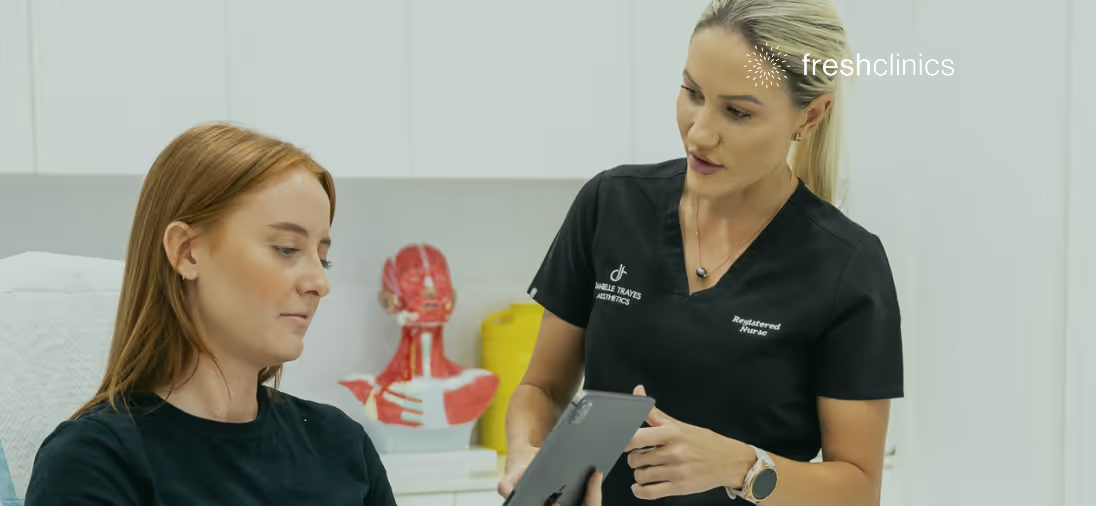
For example, after dermal filler treatment, swelling can make the lips appear fuller than expected initially, but this is not indicative of the final look. Similarly, with tear trough fillers, swelling and dark circles may persist for up to a week before the final results become visible.
Setting this timeline early on helps manage their expectations and reduces the likelihood of premature dissatisfaction.
Managing Social Media Expectations
With the use of social media and photo-editing apps, many patients come in with expectations based on highly edited or unrealistic images. This can lead to a disconnect between what they desire and what is achievable. As their cosmetic nurse, it’s essential to have open conversations about the influence of social media on beauty standards.
Educate them about the importance of maintaining facial harmony and how subtle adjustments can enhance their features without looking overdone. By aligning expectations with achievable results, you help patients feel more satisfied with the outcome.
Creating a Treatment Plan
Every patient is unique, and so should their treatment plan. During the consultation, create a treatment roadmap that outlines all the steps required to achieve and maintain their desired look over time. This plan can include information on the frequency of follow-up treatments, and maintenance sessions.
Aftercare
Educating patients about post-treatment care is important for achieving long-lasting results. Provide them with detailed instructions on how to care for their skin post-treatment, and monitoring for any adverse reactions. Clear aftercare guidance minimises complications and ensures that patients are proactive in their recovery.
Managing patient expectations is an art that goes beyond the technical skill of cosmetic injectable treatments. At the end of the day, happy patients are those who understand and appreciate the subtle, natural enhancements that these products can provide. With clear communication and trust, you can ensure they leave your clinic feeling confident and satisfied with their experience.

Attract, Engage, Retain: Recruitment in Aesthetics
Recruitment in the aesthetic industry is anything but straightforward. The stakes are high; every new hire impacts not only the clinic’s culture but also patient satisfaction and, ultimately, the bottom line. So, how can clinics navigate this complex process successfully?
Fresh Members recently heard insights from top professionals in the field, to bring some strategies for mastering recruitment in the rapidly shifting employment landscape.
Why Recruitment Matters
Did you know that a bad hire could cost your clinic up to 30% of an employee’s first-year earnings? The ripple effect on team morale and patient trust can also be long-lasting. Australia’s job market is tighter than ever, with unemployment rates remaining low, giving job seekers a competitive edge.
For clinic owners, this means the traditional approaches to recruitment may no longer suffice. To stand out, you need to be agile, strategic, and willing to adapt to new ways of attracting and engaging potential employees.
Marita Hambesis, Principal Consultant with Aesthetics Recruitment Australia, emphasised to Fresh Members, “Recruitment in and of itself can be really challenging, especially within this industry.”
The Aesthetic Industry Recruitment Process
Before going right into job postings, lay the groundwork:
- Identify your immediate and long-term staffing needs
- Determine the specific skills required for each role
- Ensure the recruitment process is candidate-friendly
- Use multiple channels to reach potential candidates, including job boards, industry contacts, and employee referrals
Competitive Compensation
Evaluate your pay structure to make sure it’s competitive in the current market. Competitive pay isn’t just about attracting talent; it’s important for retention too. Ensure you’re offering attractive non-financial benefits, such as professional development opportunities, performance rewards, and flexible work options. Michelle Mexted, founder of Aesthetics Recruitment Australia explains, “The standard is usually about 10% commission for cosmetic injectors, sometimes up to 15%. Higher hourly rates with no commission are also common.”
Flexible Work Environment
A recent survey by Seek found that a significant 65% of workers have reassessed their workplace priorities since the pandemic. Many are seeking better work-life balance, and some are even willing to take a pay cut to achieve it.
In the aesthetics industry, where treatments often require practitioners to be physically present, creating flexibility can be challenging - but it’s not impossible. While offering remote work might not be feasible, consider introducing other flexible options like shorter shifts, staggered working hours, or additional leave benefits.
Making Your Recruitment Stand Out
Creating compelling ads and leveraging multiple channels is essential. Marita suggests, “Speak to fellow business owners, speak to the employees that are currently working with you, see if they know anybody else that would like to come on board.”
It’s also critical to act quickly once applications start rolling in. Michelle highlighted the importance of speed, “If you are not moving quickly on contacting those candidates... you might find that you’ve lost them before you’ve even been able to make contact.”
Conducting Effective Interviews
How you conduct interviews can make or break your recruitment success. "Review resumes beforehand," Marita recommends. “From a cultural perspective, identify what their key values are, and how those values align with your business.”
The way you treat candidates throughout the hiring process also shapes their perception of your clinic. Providing clear communication, timely feedback, and a welcoming interview experience reflects well on your brand and can turn interviewees into advocates - even if they don’t join your team.
Prepare for interviews thoroughly and ensure that the questions you ask are designed to assess not only the candidate’s skills but also their alignment with your clinic’s culture and values. A positive interview experience sets the stage for a successful relationship right from the start.
Retention Strategies
Retaining talent in the aesthetics industry involves more than just attractive pay. It’s about creating a positive work environment, offering career development, and encouraging psychological safety. Marita says, “Having a strong development program in place is crucial. Ask your current employees for feedback... frequent check-ins allow you to tailor development opportunities.”
Recruitment in the aesthetics industry requires both strategic planning and an understanding of market dynamics. To excel, focus on creating efficient recruitment processes, building strong retention strategies, and staying competitive with compensation packages. Following these insights will help you not only find but also keep the top talent in the field, ensuring your clinic's success and reputation.