Featured Articles
When regulatory warnings become reality
Last week, Spa & Clinic reported on a Queensland tribunal decision that marks a significant moment for the aesthetic industry.
Last week, Spa & Clinic reported on a Queensland tribunal decision that marks a significant moment for the aesthetic industry.
A registered nurse has been banned from practice for two years after administering Schedule 4 medicines without a valid medical consultation or prescription, and for continuing to practise while suspended. The findings are confronting, but they’re also an opportunity to learn, reflect, and improve our own practices.
As Spa & Clinic noted, the decision sends “a clear signal that Ahpra and the National Boards are no longer tolerating breaches that have long concerned regulators.” That signal matters for every cosmetic injector in Australia.
According to the tribunal findings, the practitioner administered restricted medicines without authorisation, falsified clinical records, and continued treating patients despite regulatory restrictions. The tribunal determined this behaviour constituted professional misconduct and highlighted the importance of deterrence, both for the practitioner involved and for the wider industry.
Ahpra CEO, Justin Untersteiner, reinforced this shift:
“We will leave no stone unturned to investigate and take action against practitioners who do the wrong thing.”
For years, Australia’s aesthetic industry has operated in an environment where expectations have been tightening, but enforcement has been inconsistent. That era has now ended.
This case reinforces several non-negotiables:
- Patient Safety is paramount.
- Schedule 4 medicines must only be administered following an appropriate medical consultation, and all medications must have a valid prescription in place for the patient.
- Medicines must be supplied to the authorised practitioner, stored, and administered in accordance with state and territory regulations.
- Clinical records must be accurate, complete, and truthful.
- Any Aphra registration conditions and suspensions must be strictly followed.
When a medication is not supplied by the prescribing provider, the chain of custody is compromised, creating uncertainty regarding the medication's origin and accountability. In such instances, practitioners cannot assume clinical responsibility for the safety, integrity, or efficacy of products they did not procure or oversee.
In the event of an adverse clinical reaction, audit, or complaint, clear and accurate records are critical. They provide transparency around the supply, prescribing, and administration of the medication, and protect both patient safety and the practitioner/s involved.
These are not administrative details, but the professional standards expected of every healthcare practitioner. They are fundamental patient safety obligations, and failing to uphold them carries serious consequences.
At Fresh Clinics, our mission has always been to support nurses to build sustainable, compliant aesthetic practices — backed by education, systems, and clinical governance that stand up to scrutiny.
This moment matters for our industry. It’s an opportunity to raise standards, protect patients, and ensure aesthetic medicine remains a respected, trusted profession.
Read the full Spa & Clinic article here.
Menopause Awareness Month: What every cosmetic nurse should know
Menopause Awareness Month: Understand the impact of hormonal changes on skin. Learn how aesthetic nurses can better support patients during this transition.
This Menopause Awareness Month, we sat down with Dr Izzy Sillar to talk about something that affects every woman, but is still so often overlooked: menopause.
For women, menopause isn’t just a hormonal shift. It’s a whole-body transition that affects skin, mood, sleep, energy, and confidence. And for cosmetic nurses, it’s an opportunity to change how women experience this stage of life.
“Perimenopause and menopause… is a clinical diagnosis. We don’t actually rely on blood tests or serum markers… It’s based on the clinical picture.” - Dr Izzy.
That one shift in mindset can change how you consult, treat, and support patients who are 40+ in your aesthetic clinic.
Perimenopause vs. Menopause
“Menopause is diagnosed as being 12 months since their last menstrual period. And perimenopause is less than 12 months, where we’re seeing changes in the menstrual cycle.”
Dr Izzy outlined a typical trajectory:
- Mid–late 30s: testosterone trends down.
- Early 40s: progesterone declines.
- Mid-40s onward: estrogen drops.
As estrogen falls, cycles often space out or go missing. Skin can feel thinner, joints ache (hands, knees, lower back), and patients frequently report the “middle-aged spread.”

“When we lose estrogen… our fibroblasts become dysregulated… This can translate to skin becoming thinner, [and] joints… more sore. It’s really common… to gain weight around the tummy… even when eating well and exercising."
Why this matters in aesthetics
For too long, menopause has been underdiagnosed and undertreated.
“Currently, 85% of women are mismanaged for a condition that affects 100% of women by age 55.”
By adding women’s health pathways to your practice, you’re helping to close a major gap in medicine. You’re saying: we see you, and your experience matters.
"We have safe ways to manage this in conjunction with lifestyle… and it’s absolutely a woman’s right to have access to this.” - Dr Izzy.
Untreated symptoms aren’t just inconvenient.
“Heart attacks become the third biggest killer for women [not on appropriate therapy]. Fragility hip fractures… 75%… are in fact women… small falls shouldn’t be something that is going to take their life.”
Connecting patients to competent care is essential to preventive health.
Ready to support your patients holistically?
“Position yourself as more than an injector — become a guide.”
If you’re a Fresh Clinics member, you can access Fresh Health and start referring today. Not yet a member? Get in touch and we’ll show you how to integrate safe, modern women’s health support into your clinic.

Why Clinical Excellence Drives Success
Why clinical excellence drives sustainable success: Discover how prioritizing patient safety and high standards builds a loyal client base and profitable clinic.
In today’s booming aesthetics industry, clinics are popping up on every corner. Many chase growth with ads, discounts, and quick-win marketing tactics. But the truth is: the fastest-growing businesses aren’t the ones spending the most on ads — they’re the ones delivering the best patient outcomes.
At Fresh Clinics, we’ve supported more than 2,000 nurses and doctors in building thriving practices. The data is clear: clinical excellence is the #1 driver of clinic growth. Why? Because excellence fuels patient trust, and trust fuels referrals.
In this article, we’ll share:
- Proprietary insights from Fresh’s network of clinics
- Why referrals, not ads, are the ultimate growth engine
- The Fresh 4-Pillar Growth Model for sustainable success
The problem with “quick-fix” business growth
The aesthetics industry is often framed around leads, discounts, and fast revenue. Competitors offer:
- Paid ads campaigns
- Website rebuilds
- “Get more patients fast” playbooks

The issue? Patients notice the difference.
Poor consultation processes, unprepared practitioners, and inconsistent results lead to disappointment — and in some cases, safety risks.
Clinics built on short-term marketing tactics struggle to retain patients and eventually burn out.
Fresh data: Referrals are the growth engine
Fresh’s work with thousands of practitioners has revealed a simple truth: referrals account for the majority of sustainable growth in clinics.
- Practices that focus on complication management training see up to 2x more referrals within 6 months.
- Practitioners who adopt a consultation mastery framework report a 35% increase in repeat patient bookings.
- Clinics that deliver consistently superior outcomes see organic referral growth surpass paid acquisition by Year 2.
This is the compounding power of excellence. Each happy patient tells a friend, leaves a glowing review, and builds the practitioner’s reputation.
The Fresh 4-Pillar Growth Model
We’ve codified what works into the Fresh 4-Pillar Growth Model — a framework built on what we’ve seen across 2,000+ aesthetic clinics.
1. Consultation mastery
- A structured consultation builds trust and ensures tailored outcomes.
2. Complication confidence
- When practitioners are trained to handle complications, confidence radiates.
- Patients sense this security — leading to stronger loyalty and referrals.
3. Patient experience
- Every touchpoint matters: from the first consult to follow-ups.
- A superior patient journey drives love, loyalty, and advocacy.
4. Business growth through referrals
- Delivering excellence creates a flywheel: Great outcomes → Referrals → More patients → Sustainable revenue.
Why Clinical excellence builds premium brands
The benefits go beyond just growth:
- Exclusivity: Better practitioners attract better patients.
- Future-Proofing: As competition intensifies, only practices with clinical excellence will stand out.
- Industry Stewardship: Putting patients first sets Fresh and its members apart from negative industry trends.
In short, excellence isn’t just a growth strategy — it’s a brand strategy.
Key Questions Answered
What is the #1 way clinics grow?
Referrals. And referrals come from delivering excellent patient outcomes.
Why are referrals better than ads?
Ads can buy attention. But only excellence earns trust — and trust is what fuels long-term patient advocacy.
What role does complication management play in growth?
Confidence in handling complications radiates to patients. It builds safety, trust, and loyalty — all drivers of referrals.
What is the Fresh 4-Pillar Growth Model?
A framework for sustainable success: Consultation Mastery, Complication Confidence, Patient Experience, and Business Growth via Referrals.
Conclusion: Excellence wins, every time
The aesthetics industry is evolving quickly. In the short-term, anyone can buy ads. In the long-term, only those who build their practices on clinical excellence will thrive. At Fresh, we’ve helped over 2,000 nurses and doctors achieve their dreams — by putting patients first, building confidence, and creating practices that grow on referrals. The future of aesthetics is clear: Excellence drives growth.

Latest Articles
The Business Blueprint: Essentials for Cosmetic Clinic Success
Access this exclusive session with some of Australia's top clinics as they share their insights on how to build a strong business foundation for your clinic.
Brought to you by Fresh Clinics exclusive State of Medical Aesthetics Report, 2025
Join our special guests:
- Meg McNeil and Lori Hogan, Derm Haus
- Lisa Rush, Lisa Rush Skin Clinics
- Bronywyn Roberts, Facestudio by Bronnie
- Hosted by Tealle Anderson, Community Insights & Content Manager at Fresh Clinics
What you'll learn:
- How to set meaningful business goals that drive real clinic growth
- Making sense of your financial statements (without needing an accounting degree!)
- The key performance indicators successful clinics track religiously
- Why having a business mentor dramatically increases your chances of success
- Practical systems to implement in your clinic starting tomorrow
Nurse Injector Training
How to become a nurse injector: training, certification & career guide
An estimated 25.4 million minimally invasive cosmetic procedures were performed in 2023 in the United States. Of these, neuromodulator injections such as Botox or Jeuveau accounted for nearly 9.5 million of them.
As demand grows for subtle, natural-looking enhancements, so does the need for skilled, certified nurse injectors, and it's higher than ever. If you're a registered nurse interested in expanding your skillset into the world of medical aesthetics, nurse injector training provides a good opportunity for career progression.
This guide breaks down what the training involves, where it can take you, and how Fresh Clinics can help you build a career in aesthetics.
What's the opportunity?
Non-surgical treatments like cosmetic injections are more in demand than ever before. But they can’t be performed without trained professional nurse injectors who can deliver safe, effective results.
In states like Texas and Pennsylvania, the need for both is especially high. That is why now is a great time for registered nurses to add this string to their bow.
Once trained, nurse aestheticians can work in medical spas and dermatology clinics or even start their own aesthetic practice with oversight from a medical director. With the right certification and support, these skills can open up a more flexible, higher-earning, and creatively fulfilling career path.
What does a nurse injector do in aesthetic medicine?
A nurse injector is a licensed healthcare professional, typically a registered nurse (RN), who specializes in performing non-surgical cosmetic procedures.
Primarily, their main focus revolves around administering injectable treatments such as Botox and dermal fillers. These are used in treatments aimed at reducing fine lines, smoothing wrinkles, and restoring facial volume. The main purpose is to help patients achieve a more youthful, refreshed appearance without the need for surgery or extended downtime.
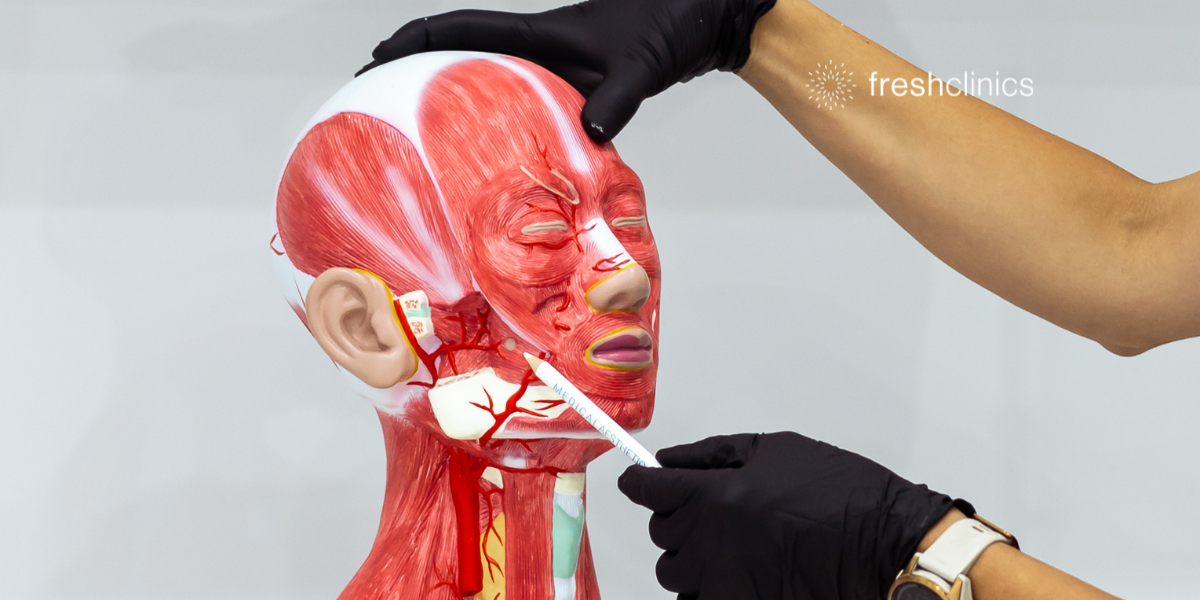
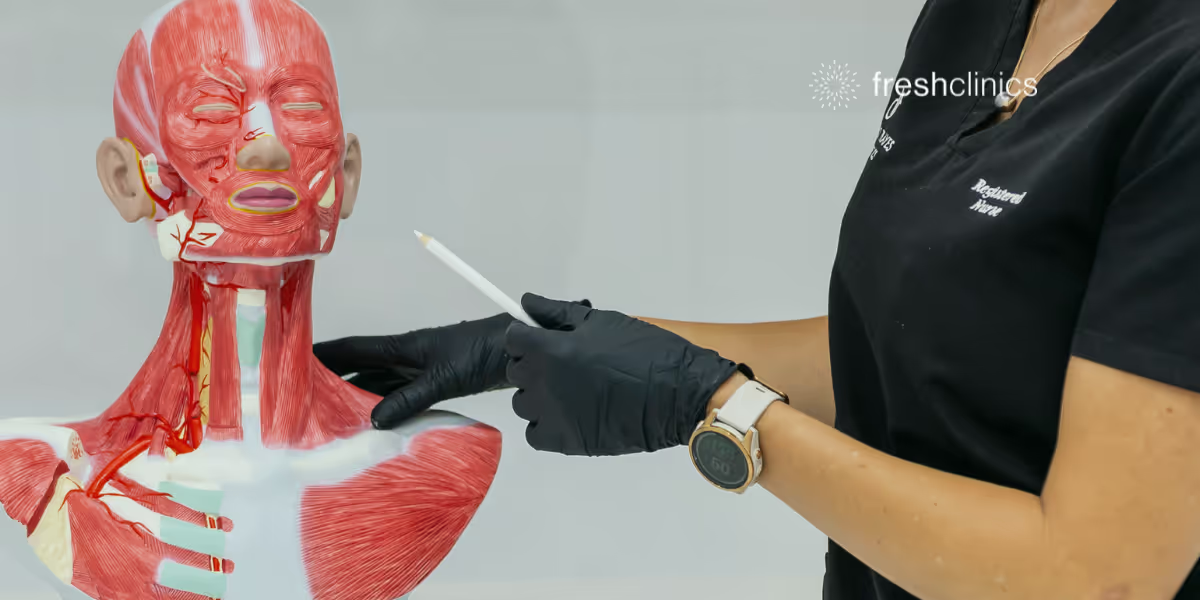
In addition to dispensing injections, nurse injectors conduct thorough patient consultations and assess patients' medical history. They also design personalized treatment plans based on each client’s facial anatomy and aesthetic goals. To do this, they must have in-depth knowledge of facial muscles, nerves, and blood vessels to ensure they place injections accurately and safely, every time.
For a nurse injector, their key skills typically include possessing a precise injection technique, a strong understanding of product properties, and the ability to recognize and manage potential complications. They are also often responsible for educating patients about aftercare and ensuring strict ethical and legal standards are adhered to. In short, you could say that a nurse injector blends clinical expertise with an artistic eye to deliver safe, high-quality aesthetic outcomes.
Inside nurse injector training: what you’ll learn and why it matters
If you're exploring a career in aesthetic medicine, it's important to know what nurse injector training includes. In addition to teaching you how to inject patients properly, the right training gives you the medical, technical, and ethical foundation to deliver outstanding results.
Here is an overview of what you’ll learn and why it’s important.
Facial anatomy fundamentals
One of the first things your training will focus on is learning detailed facial anatomy. This is important because you’ll need to understand where muscles, nerves, and blood vessels lie under the skin. Such knowledge is crucial for every cosmetic procedure you’ll perform. It helps to avoid complications and achieve precise, natural-looking outcomes that patients will love.
Toxin and dermal filler techniques
Learning how to administer anti-wrinkle injections like Botox and dermal fillers safely and effectively is something you’ll be required to master. There is a good chance you will be performing many of these treatments. When training to be a nurse injector, you'll be taught how to treat areas like frown lines, crow’s feet, smile lines, lips, and more. You’ll also develop the skill of adapting techniques based on the individual client’s face and goals.
Product knowledge and patient assessment
Nurse injector training also covers the differences between various injectable products, including their properties, uses, and how they interact with tissue. Once complete, you’ll be able to professionally practice consultation skills, such as how to assess patient suitability, manage expectations, and support physicians in obtaining the client's informed consent.
Complication management
Knowing how to recognize and handle side effects and rare adverse reactions is an essential part of being a nurse injector. That is why you will be trained to spot early warning signs and act quickly to protect patient safety, if required.
Hands-on training
Perhaps, most importantly, top-tier courses typically include live patient training. This is a vital step in the process because working in a real-life setting gives prospective nurse aestheticians valuable experience that online teaching alone can’t replicate.
Where can nurse injectors work?
Fully qualified injectors have a wide range of career options available to them in the aesthetic industry. Most commonly, they can work in medical spas, where treatments like Botox and dermal fillers are offered in a client-focused and relaxed environment.
However, others are employed in dermatology or plastic surgery clinics. Working in collaboration with physicians, they provide cosmetic injections as part of a broader medical service.
For those wanting to be their own boss, there’s also the option to work independently. Many nurse injectors start their own businesses or operate as mobile aesthetic providers. To do this, all they need is the right qualifications, access to a medical director, and proper documentation systems in place.
How to become a nurse injector: A step-by-step guide
If you’re ready to pursue a career as a nurse injector, Fresh Clinics makes each step easier by offering training, mentorship, and resources tailored to your career goals.
Here's an overview of what this entails.
Step 1: Become a registered nurse (RN)
To work as a nurse injector in Texas, Pennsylvania, and other states in the USA, you must hold a valid RN license. This license must be active and registered in the specific state where you plan to practice. It also requires completing an accredited nursing program and passing the NCLEX-RN exam.
Step 2: Gain clinical experience
While not always mandatory, having some hands-on experience in patient care can help you build your confidence in clinical settings.
Relevant experience will also give you a better understanding of patient communication and assessment.
Step 3: Enroll in specialized nurse injector training
For most people, this is where their journey into aesthetic nursing really begins.
It is recommended that you choose a program that includes aspects like Botox and dermal filler training, facial anatomy, consultation techniques, and complication management. The best courses offer hands-on, live patient training, which is designed to ensure you can treat real patients confidently and safely.
Step 4: Obtain certification and medical oversight
Depending on your state, you may need to operate under a medical director. This is the case in Texas and Pennsylvania.
Fresh Clinics provides access to experienced mentors and trainers. We also provide support systems, such as documentation tools and legal compliance, to help you practice your new nurse injector skill confidently and professionally.
Step 5: Launch your career
Once you’re fully trained and have become certified, you can embark on the next stage of your career.
This can involve working in medical spas and clinics or even opening your own Med Spa with support from a medical director.
Nurse injector training tips: How to succeed from day one
At Fresh Clinics, our nurse injector training programs are built to set you up for success. We help you stay ahead of the curve by providing you with access to experienced instructors, flexible training formats, and a supportive learning environment. If you want to get the most out of your training, here are a few tips you can employ.
- Learn facial anatomy before your course: Knowing the basics of muscles, nerves, and vessels will make your hands-on sessions much easier to follow and understand.
- Choose a course with live patient training: Practicing on real people under expert supervision is the best way to build confidence and refine your technique.
- Take notes and ask questions: Trainers love students who are engaged and will often share valuable insights beyond the standard curriculum with them.
- Focus on precision over speed: It’s not a race, so make sure you focus on developing safe and accurate injection techniques, rather than finishing the training as quickly as possible.
- Be open to feedback: Receiving constructive input should not be seen as a negative. Instead, take the advice the experienced injectors are giving you as an opportunity to improve your knowledge and technique.
- Connect with your peers: It's a good idea to build relationships with fellow trainees, as this can lead to referrals, job leads, and long-term professional support.
- Keep learning after training: Your desire to learn doesn’t have to stop with your training. Look for follow-up workshops, CPD opportunities, and ongoing mentorship that can help you hone your new skill.
Start your journey as a nurse injector
If you are looking to grow your career in nursing, then becoming a nurse injector is a great way to do that. Not only is this role in a high-demand field, but it is in a high-reward one, too.
With the right training, you’ll learn how to deliver safe, effective treatments like Botox and fillers. This, in turn, will enable you to join a clinic or launch a business, which will help you make a real difference to people’s lives.
To help you achieve this, Fresh Clinics offers hands-on, accredited training, ongoing support, and medical oversight for registered nurses across Texas and Pennsylvania.
Ready to take the first step? Contact Fresh today!
FAQs
Is becoming a nurse injector worth it?
Yes, for many healthcare professionals, especially nurse practitioners (NPs) and RNs, aesthetic medicine offers a more flexible, creatively fulfilling, and financially rewarding career path. With the right Botox and filler training, you can offer high-demand services like botulinum toxins, filler treatments, facial rejuvenation, PDO thread lifts, or facial pain therapy for patients dealing with TMJ.
How much does a nurse injector make?
On average, nurse injectors in the U.S. earn between $75,000 and $120,000 USD per year, with many experienced or business-owning injectors earning well above that. Those who build their own client base or offer specialised treatments often earn significantly higher incomes, especially in high-demand areas. As with any profession, income tends to grow with skill, reputation, and time in the field.
Can you be an aesthetic injector without being a nurse?
In most U.S. states, including Texas and Pennsylvania, you need to be a licensed medical professional to perform cosmetic injections like Botox, dermal fillers, or PDO thread lifts. That means you must be a registered nurse (RN), nurse practitioner (NP), physician assistant (PA), or doctor. If you’re already working as a nurse, you’re in a great position to expand into aesthetics. With the right Botox and filler training, you can gain the skills, confidence, and certifications needed to start offering safe, effective aesthetic injectables.
Is there any risk in becoming a nurse injector?
Every new career comes with a learning curve, but becoming a nurse injector is a well-supported path when you choose the right training. With quality aesthetics training and live patient experience, you’ll build the skills and confidence you need to succeed. At Fresh Clinics, we’re here to guide you through each step, so you can start your journey knowing you’re in safe hands.

Complications in Aesthetic Procedures: Insights from Dr. Shah-Desai
-2.avif)
The content of this blog is designed and intended for the education of Healthcare Professionals
In our rapidly evolving industry, the use of hyaluronic acid (HA) fillers for facial enhancement is always on the rise. However, with innovation comes challenges. Fresh Clinics Members recently heard invaluable insights from Dr. Sabrina Shah-Desai, an internationally recognized expert in non-surgical and advanced cosmetic procedures on the prevention and management of complications associated with (HA) filler use.
Understanding the Anatomy
To optimally leverage fillers in aesthetics, an understanding of facial planes and the distribution of facial vasculature is a must. Enlightening us on this, Dr. Shah-Desai reinforced, "Prevention strategies are really important to understanding that depth of injection, injecting slowly, considering a cannula except in the nose, injecting small, and considering directing the needle perpendicular to the vessels."
Patient Assessment
Sabrina made sure to emphasise the importance of patient assessment and consultation in the following order to minimise risks during treatment:
- Take a detailed medical history
- Take a detailed aesthetic history (types of filler used/dates of treatment)
- Assess for any ongoing skin conditions, dental issues, and ear, nose, or throat issues
- Establish if there is any severe pain or redness in past treatments
- Establish duration and onset of “the lump”
One of the main risks associated with HA filler injections is the threat of vascular events. How we handle such events can make a significant difference in the patient's outcome. Complications ranging from infections to nodules and even blindness can occur, hence having a well-trained team in place, armed with the necessary tools and medications, is crucial.

"Anatomy and assessment of patient selection is a prerequisite for minimising the risk of complications. Never inject against resistance and considering the product is really important, particularly to prevent complications," said Dr. Shah-Desai, reinforcing the importance of comprehensive knowledge in filler treatments.
Navigating Complications
The importance of early detection, diagnosis, and management of adverse events cannot be overemphasised. For infections, the use of antibiotics might be considered while Hyaluronidase could be employed for treating nodules. Here, using ultrasound devices on patients would offer compelling advantages.
Aging and Filler Placement
Our skin undergoes transformations with age, leading to structural support and surface alterations. . Sabrina shed light on this, highlighting "When we look at the surface topographical changes of aging we see this on the skin sort of from the ages of late 20s to mid 30s."
The awareness of these changes, especially in the mid-face and bony areas, forms the underpinning for informed decisions on filler placement and selection in patients.
The 4D Approach
Steering away from static notions, Sabrina introduced the concept of the 4D approach for optimising results with filler. This approach unravels a more holistic outlook in evaluating and enhancing facial features, acknowledging the dynamic fat pads and movements that define our faces.
The 4D approach is based on four key strategies and can have fewer complications, plus more revenue for your practice than filler alone:
- Protection (eg, sunscreen and antioxidants)
- Promotion of cell turnover (eg, peels and laser)\
- Collagen stimulation
- Volume remodelling (eg, fillers)
Empowering Your Practice
Sabrina's enlightening session contextualises the importance of preparedness at each step of aesthetic treatments.
The core takeaway from Dr. Shah-Desai resonates with Fresh Clinics’ belief that knowledge and awareness are the foundation of excellence in aesthetics. By embracing these insights, we can look forward to an exciting future in advanced technology.
Stay tuned for more inspiring discussions.
Not a Fresh Clinics member yet? Reach out to our team today, call us, or schedule a time to chat below to discuss how to become a Fresh Clinics member and take advantage of Fresh initiatives today.
What is Regenerative Medicine?
Can you imagine using your own cells to repair signs of aging or reverse chronic conditions? With regenerative medicine, this is slowly but surely becoming possible.
Regenerative medicine is an emerging field that helps the body replace, repair, and regenerate damaged cells, tissues, or organs. The goal is to help patients restore normal function. For example, in aesthetic medicine, the desired outcome is to restore the patient’s natural body, not simply hide the signs of aging.
In this article, we’ll break down what regenerative medicine is, the top treatments being used today, how it’s changing the aesthetics industry, and what’s coming next.
Key aspects of regenerative medicine
The practice of regenerative medicine draws on cell biology, genetics, bioengineering, and clinical medicine to promote true repair and, in some cases, reverse damage entirely. It’s built upon the concept that, in the right conditions, the body has all the tools it needs to heal itself from minor injuries.
Supporting the body to heal
Our bodies already know how to heal cuts, mend bones, and fight infection. Regenerative medicine builds on that by stimulating or enhancing the body’s natural repair mechanisms. This can mean triggering collagen production, increasing blood flow, or signaling the body to produce new cells.
Cell-based therapies (stem cells)
Stem cells can turn into many different types of cells, such as bone, blood, muscles, and nerves. In regenerative medicine, they are used to repair damaged tissue. The most common source of stem cells in medical treatments today is taken from adult bone marrow or fat tissue. For example, doctors might inject stem cells from fat tissue into an injured joint to promote healing and reduce inflammation.
Building new tissue from scratch (tissue engineering)
Tissue engineering is the practice of using a structure, like a soft, mesh-like material, along with cells to help the body grow new tissue.
It’s already being used to create skin grafts, cartilage, and parts of organs. This approach is especially helpful when the body can’t heal on its own, such as after a burn, injury, or surgery.
The tools that support cell growth and repair
As the field grows, the tools used by medical scientists are constantly evolving. Currently, regenerative therapies often involve biomaterials (materials that are safe for inside the body) that support cell growth, or gene therapy that helps restore or enhance a cell’s function at the DNA level.
Examples of regenerative medicine in use today
Healing with your own blood (platelet-rich plasma)
Platelet-rich plasma (PRP) therapy uses a patient's own blood to promote healing. After drawing blood, it's spun in a centrifuge to concentrate the platelets, which are then injected into the targeted area. PRP is commonly used for injury recovery, skin rejuvenation, and hair growth.
Relieving joint pain with natural cushioning (viscosupplementation)
This treatment involves injecting hyaluronic acid, a gel-like substance, naturally found in healthy joints. In people with osteoarthritis, their natural level of this substance drops, which can cause pain and stiffness. This treatment helps restore lubrication in the joint, usually the knee, making movement feel smoother and reducing discomfort.
Growing organs from your own cells
Researchers are working on growing entire organs in labs using a patient's own cells. This approach aims to provide future alternatives to organ transplants, reducing the risk of rejection. While we're still years away from fully functional lab-grown organs, recent developments in 2024 from scientists at UC San Francisco and Cedars-Sinai have taken promising strides towards bringing this concept to life.
Waking up the body’s repair system
Some therapies aim to stimulate the body's own cells to repair themselves. By engaging these dormant or damaged cells, the treatments encourage natural regeneration, potentially reducing the need for invasive procedures. A simple example of this is microneedling, which creates small tears in the skin to promote collagen production.
What is regenerative aesthetics?
Regenerative aesthetics is the future of the aesthetics industry, combining the science of healing with modern beauty treatments. It uses the principles of regenerative medicine, like stimulating collagen, restoring tissue, and boosting cellular activity for cosmetic treatments. The goal is to deliver natural-looking results by encouraging the body to heal and renew itself. That means fewer artificial fillers, less downtime, and longer-lasting results.
Popular regenerative aesthetic treatments include:
- PRP for skin rejuvenation: Sometimes called a “vampire facial,” this uses the patient’s own plasma to boost collagen, improve texture, and reduce signs of aging.
- PRP for hair restoration: Injecting PRP into the scalp can stimulate dormant hair follicles, improving thickness and regrowth over time.
- Exosome therapy: Exosomes are naturally released in the body to promote healing. When extracted and applied to the skin, they can reduce inflammation, support cell turnover, and brighten complexions.
- Polynucleotide injections: Derived from salmon DNA, these injections are designed to hydrate, repair, and improve skin elasticity at a deep level. They're especially popular for under-eye rejuvenation and dull skin.
- Skin boosters: Unlike traditional fillers, skin boosters spread under the skin to hydrate and subtly plump. They also encourage collagen and elastin production over time, which is beneficial for patients looking to reduce the signs of aging.
- Nanofat grafting: This is when fat is gathered from the patient, filtered to isolate the regenerative cells, and then injected into delicate areas like under the eyes or around the mouth. It improves skin quality and volume with long-term effects.
Real-world results
A 2024 study on PRP for skin rejuvenation found that treatment led to significant improvements in facial features after just one to three sessions.
Another study in 2023 found that combining microneedling with exosomes led to faster healing and better results. The patients showed noticeable improvements in wrinkles, elasticity, hydration, and pigmentation.
What does the future hold for regenerative medicine?
The future of regenerative medicine is moving fast due to patient demand and major scientific progress. Researchers are already testing 3D-printed organs made from a person’s own cells, which could one day replace the need for the more risky practice of donor transplants. Gene editing tools like CRISPR are also showing real promise and could help fix the root cause of certain diseases.
It might sound futuristic, but these breakthroughs are already happening in labs and early trials. If things keep heading in the right direction, we’ll start seeing more of these treatments helping real patients in the next few years.
Regenerative medicine is all about helping the body naturally fix itself. From joint pain to skin and hair, these treatments are already making a difference, and they are only getting started.
At Fresh Clinics, we support medical professionals with the tools, knowledge, and oversight to offer safe, effective regenerative treatments
Ready to take the first step? Contact Fresh today!
FAQs
What therapies are currently provided in regenerative medicine?
Some of the most common regenerative medicine treatments include platelet-rich plasma (PRP), stem cell therapies, and microneedling with growth factors like Exosomes. These therapies are used to repair damaged cells, tissues, or organs, especially for joints, skin, and hair.
What kind of conditions can regenerative medicine help with?
Currently, regenerative medicine is being used for joint pain, soft tissue injuries, hair loss, and skin aging. As the field of regenerative medicine grows, it’s also being studied for organ repair and more complex medical conditions.
Is stem cell therapy safe?
Stem cell therapies are already being used in both medical and aesthetic clinics, especially for joint issues and skin rejuvenation. Most use stem cells from bone marrow or fat, and while research is still ongoing, they’re generally considered safe when done by qualified professionals.
How is regenerative medicine different from traditional treatments?
Unlike treatments that only manage symptoms, regenerative medicine focuses on fully healing. It supports the body’s ability to repair damaged tissue and restore normal function using cell therapy, growth factors, or tissue engineering.
What are iPS cells, and why do they matter?
Induced pluripotent stem (iPS) cells are adult cells reprogrammed to act like pluripotent stem cells. That means they can turn into nearly any cell type. Researchers see them as a safer, more ethical alternative to human embryonic stem cells in regenerative medicine research.
How is 3D bioprinting being used in regenerative medicine?
3D bioprinting is an emerging technology that uses living cells to print engineered tissue. The goal is to eventually build complex organ and tissue structures that are structurally and functionally similar to natural ones.
Can regenerative medicine help with heart failure?
Yes. One type of regenerative medicine being studied for heart failure involves growing or transplanting healthy muscle cells into damaged skeletal muscle to restore heart function. While it’s still in early development, it’s one of the most promising therapies and future directions in the field.

EOFY: Smartest Time to Invest
As the end of the financial year approaches, many cosmetic nurses, clinic owners, and aesthetic professionals are deep in spreadsheets, reconciling expenses, and preparing to close the books.
But EOFY isn’t just a deadline; it’s the perfect moment to pause, reflect, and invest in the future of your business.
Here’s why EOFY is the smartest time to secure your spot at The Fresh Life 2025:
EOFY is designed for strategic investment
June 30 is when many business owners look at their numbers and ask, “What did I build this year, and where am I heading next?”
EOFY serves as a natural checkpoint to review your business's financial health. Reinvesting in professional development now can set you up for a more profitable, confident, and focused second half of the year. Whether you’re a sole trader or running a growing clinic, EOFY is your chance to:
- Realign with your long-term goals
- Prioritise development
- Take advantage of potential tax deductions*
Invest in YOU and your clinic's holistic growth at The Fresh Life 2025
Investing in professional development, training, or business-related resources before EOFY can offer significant tax advantages. According to the Australian Taxation Office (ATO), expenses directly related to earning assessable income, such as attending conferences, workshops, or purchasing educational materials, may be tax-deductible. By making these investments before June 30, you can potentially reduce your taxable income for the current financial year.*
The Fresh Life 2025 is built for cosmetic professionals who want to do more than survive change - they want to thrive through it, and stay at the forefront of product, technology, and compliance standards.
This year’s theme is all about building a business that’s not just growing - but flourishing. Attendees will gain practical strategies to:
- Scale without burning out
- Differentiate in an increasingly saturated market
- Retain patients through value-driven, localised care
- Leverage insights and tools for long-term, strategic success
- Learn new innovative techniques
- Build your team or hear insight into how to work inside a high-performing team
- Get up close and personal with industry experts, pharmaceutical brands, and key opinion leaders in our industry
Invest now, and reap the rewards all year
Making space for professional development during EOFY signals that you’re prioritising progress, putting strategy ahead of stress, and choosing to lead your business with intention.
A ticket to The Fresh Life 2025 is an investment in clarity, confidence, and community. And when you invest before June 30, you’re giving yourself the strongest possible start to the next financial year.
Grow together - grab your ticket before June 30 and immediately go in the running to win a free ticket!
This year, growth doesn’t have to be a solo journey. When you purchase your ticket before June 30, you’ll automatically enter our giveaway, where one lucky attendee will receive a second ticket for free.
This is your chance to bring along someone who makes your business stronger. Whether it’s a business partner, a team member, or a peer you’ve grown alongside in the industry, shared learning increases impact.
All ticket holders are entered automatically. But to be eligible, tickets must be purchased before EOFY. Winners will be announced on July 7, 2025!
Don't miss your chance to THRIVE. Secure your spot here!
*Always consult with a financial advisor or tax professional to understand the specific benefits and implications for your business.

Key Takeaways from NSS 2025
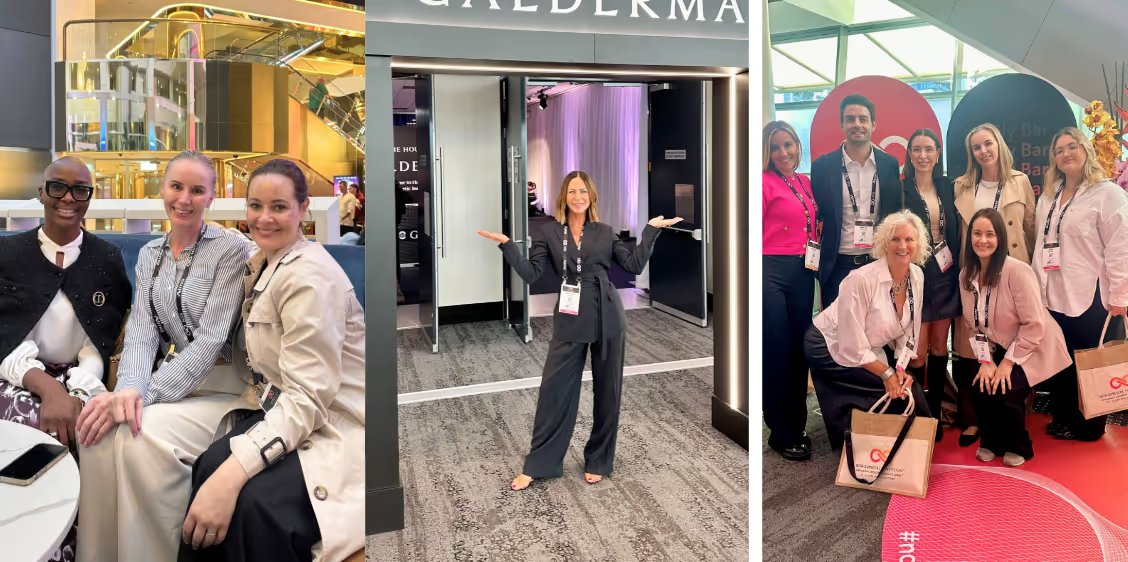
Last weekend, the Fresh Clinics Team attended another NSS (Non-Surgical Symposium) on the Gold Coast - an annual highlight on the medical aesthetics calendar.
As always, it was a valuable opportunity to connect with peers, hear from leading voices in the industry, and reflect on the direction our profession is heading.
Here are some of the key insights and takeaways our team brought home from NSS 2025:
Ahpra & TGA regulatory guidelines
Significant updates were shared around compliance, particularly from AHPRA and TGA representatives. A few key takeaways:
- All clinical information and patient education should be delivered in person.
- Providing information via email or text (e.g., brands, pricing) remains a grey area.
- Messaging should aim to educate, not promote. If flagged, practitioners will typically have an opportunity to explain their intent and adjust.
- Booking systems should align more closely with general practice (e.g., "short" vs. "long" consults), reinforcing that we are operating in a healthcare model, not a retail one.
Diversity & inclusivity
Several sessions explored how clinicians can strengthen greater inclusivity, particularly around gender identity and neurodivergence. A standout statistic shared was that 60% of nurses avoid certain patient questions out of fear of saying the wrong thing.
From adding non-binary options on intake forms to asking open-ended questions like “What’s your idea of beauty?” and “How do you view yourself?”, speakers highlighted the importance of creating safe, respectful spaces for all patients.
Marketing & community engagement
Dr Kristy Kostalas and Fresh Trainer, Agnes Dube, shared practical ways clinics can embed community engagement into their business model. With marketing restrictions continuing to limit traditional promotion, many clinicians are finding value in being seen to give back, whether by sponsoring local sports teams, partnering with charities, or supporting local events.
As traditional marketing becomes more restricted, the consultation process has become the most powerful point of connection with patients. Speakers emphasised the importance of creating a calm, personalised, and informative experience, not just for treatment planning, but for building long-term trust.
Hybrid clinics
There was discussion around the emergence of hybrid clinics, where services such as skin cancer checks, general medicine, preventive medicine, and aesthetics sit under one roof. It’s a patient-centric model that speaks to the evolving expectations of health, wellness, and convenience.
NSS 2025 reinforced that the aesthetics industry is evolving quickly, and that success now hinges not just on clinical skill, but on the ability to navigate compliance, communicate with purpose, and connect with patients and communities in more meaningful ways.
It was incredibly rewarding to hear from many attendees, including nurses, clinic owners, and pharmaceutical partners, who shared their appreciation for the support Fresh Clinics is providing, particularly in Queensland. There was strong engagement with our data-led presentation on the State of Medical Aesthetics Report, and it was clear the insights resonated across the room.
We’re proud to be part of these important conversations and to continue supporting our network to stay informed, compliant, and empowered.
Ready to join Fresh?
Whether you're just starting out or looking to expand your clinic, Fresh Clinics is here to support your growth. Reach out to our team, call us, or fill in the form to get started.
Managing Vascular Occlusions: Insights from Dr Holbrook
-2.png)
The content of this blog is designed and intended for the education of Healthcare Professionals
The art of bringing a change to one’s appearance through non-surgical cosmetic procedures calls for expert precision and knowledge. However, even in the hands of the most skilled professional, complications can arise.
Fresh Members recently had the opportunity to dive into an educational session with our very own Dr John Holbrook, on managing vascular occlusions (VOs) in aesthetic treatments.
Vascular Occlusions: A Fear for Practitioners
"The vessels in our bodies, particularly in our face, are all connected," Dr Holbrook emphasized during the session. Vascular occlusion, a rare but serious complication, can result from dermal filler treatments, with incidences being roughly 1 in 10,000. While low, the risk is real and can result in serious complications if not managed promptly and appropriately.
To minimise the occurrence of VOs, practitioners often adopt standard procedures. For example, the idea of only injecting in 'safe' points has always been conventional. However, it's not a course that Dr Holbrook advocates,"There's no safe...everywhere can be risky.”
The Treatment Approach
When an occlusion is suspected or occurs, the first course of treatment is to call in an expert immediately.
Another critical part of the immediate response is injecting hyaluronidase into the affected area, an enzyme that can potentially reverse the occlusion by breaking down the filler.
Dr Holbrook shared through his personal experience, how he managed a rare, yet serious VO that affected a patient's chin and tongue due to a midline filler injection in the chin.
"We fixed it in a day… and it didn't require any further interventions," Dr Holbrook recalled about one of the most complex cases he'd managed. Despite immediate action, the patient still experienced extreme pain, challenging the process of treatment. Utilizing hyaluronidase and maintaining an open line of communication with other specialists, the case was successfully navigated.
It is important to emphasize the need for persistence in managing occlusion. Dr Holbrook noted, "Just because it has always been okay before, doesn't mean it will be okay this time."
He reiterated that every treatment comes with its own level of uncertainty and risk.
The need to remain constantly cautious and prepared for any event is one that resonated deeply with our Members. In the face of such potential complications, the importance of patient well-being remains at the forefront.
The session was a wealth of information on managing vascular occlusions, and a testament to Dr Holbrook's persistent, dynamic, and patient-first approach.
Not a Fresh Member?
9 Luxury Interior Design Ideas For Your Med Spa
When a patient walks into your med spa, they’re not only here for the treatments; they’re looking for the feeling of calm, trust, and elegance.
Thoughtful interior design sets the tone before a single needle is uncapped. Sure, a well-designed space looks amazing on socials, but it also builds real-world trust the moment clients walk in. It builds credibility, helps clients relax, and shows that you care about the experience as much as the results.
Whether you’re starting fresh or refining what you’ve already built, these nine design ideas are all about making your space feel calm, polished, and professional.
1. Make your entrance feel like a high-end boutique

First impressions start at the front desk.
Think soft curves, clean lines, and materials that feel expensive, like fluted timber, travertine, or reeded glass.
Your reception should also be a place for clients to relax before and after their treatments, like comfortable chairs, low lighting, herbal tea, and maybe a hint of fragrance in the air.
Tip: Add one showstopper. A sculptural vase, a designer lamp, or a signature scent.
Image: Byron Bay Luxury Homes
2. Update your neutrals with earthy tones

Cream-on-cream has been done, but in 2025, neutrals are getting more depth and a little personality. If you want your space to feel calm but not bland, layer soft whites with richer tones like taupe, olive, clay, or stone.
These colors are inspired by nature, which naturally helps clients feel more grounded, safe, and relaxed. You can also try using light blues or soft, beach-like colours to add a sense of calm to the space.
While white or warm beige have their place, building on them with earth tones can strike the right balance between professionalism and warmth.
Image: Pinterest
3. Clean but not cold

Clinical doesn’t have to mean cold. In 2025, the most elevated med spas are embracing sculptural design elements, think curved counters, fluted walls, and rounded furnishings, to bring softness and warmth into their space. These forms feel modern and organic, helping you move away from that boxy “waiting room” look without sacrificing professionalism.
It’s a subtle way to soften the space and move away from that standard “waiting room” feel, without losing the clean, clinical edge you need. Tip: For a luxury finish that’s still hygienic, consider a polished natural stone like sealed marble, which is easy to clean and elevates the look instantly.
Image: Interior Design Awards
4. Use lighting to shape mood and perception

Renowned interior designer Jonathan Adler said it best when he said, “Lighting is everything. It can make a room feel warm, cozy, and inviting, or cold and unwelcoming.”
And in 2025, elevated med spas are treating it that way, moving beyond harsh, clinical light in favor of warm recessed strips, minimalist sconces, and soft pendants that set the mood without distraction.
In treatment rooms, you’ll need your lighting to still be functional, but ideally adjustable, so you're not overwhelming clients with brightness the moment they walk in.
Image: Jonathan Adler
5. Function first, beauty second

It’s easy to get swept up in aesthetics, but if your space doesn’t work day to day, it’s going to cause stress.
Start by mapping out how your team moves through the clinic. Can they get from the front desk to the treatment rooms quickly? Are supplies easy to grab without digging through drawers? Are the waste bins where they need to be? Reception desks should have hidden storage to make your staff happy, where they can store their forms, tech, or even snacks.
Treatment rooms need cleanable surfaces, a logical layout, and room for staff to move comfortably around the client.
Image: Interempresas
6. Doors that blend privacy and polish

Doors do more than separate rooms. A heavy, loud, or poorly finished door can make a space feel cold and clinical. The wrong material? It clashes with your palette and shows every fingerprint.
For a more elevated look, opt for flush doors with minimal hardware, or soft-close sliders that save space without compromising on style. Matte finishes, frosted glass, and sealed timber strike the right balance between beauty and practicality. Soundproofing is essential in treatment rooms, where clients may be discussing personal medical details or undergoing procedures that require discretion.
Tip: Keep your door finishes consistent throughout the clinic. It’s a small detail, but it helps the entire space feel calm, intentional, and beautifully considered.
Image: Divisare
7. Flooring that’s practical and built to last
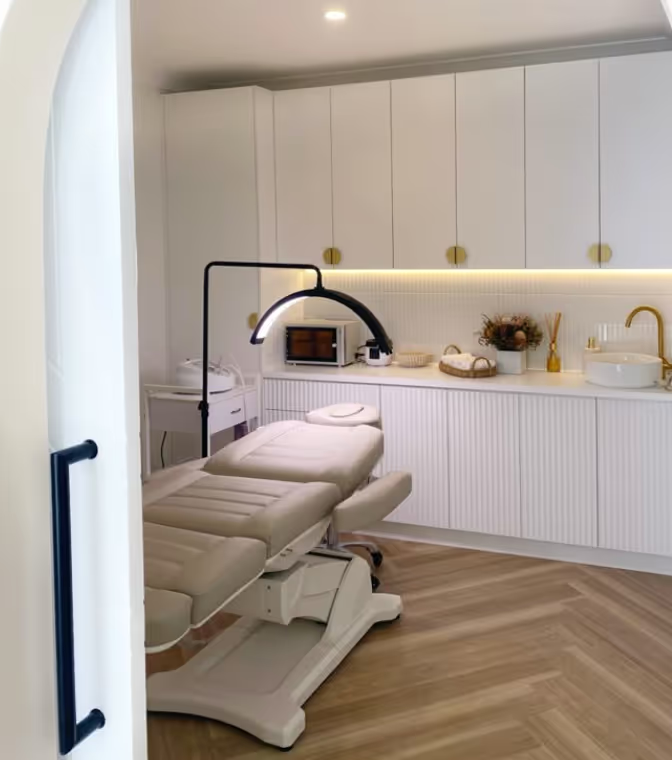
Flooring is one of the hardest-working surfaces in your space. It needs to look beautiful, hold up under constant foot traffic, and meet hygiene requirements.
In clinical zones, go for sealed concrete, large-format tile, or natural stone. These materials are also easy to disinfect and hold their shape over time. In reception, a low-pile rug or mat adds contrast, just make sure it’s washable and won’t catch under chairs.
Tip: Avoid high-shine finishes or anything with too much texture as they’re harder to clean and show wear quickly.
Image: Eye Envie Lash & Co.
8. Make your retail feel helpful

Retail can feel like an afterthought in many med spas, or worse, a hard sell that ends up gathering dust.
However, when done right, it adds value and enhances the client experience.
Use backlit shelving that matches the rest of your design. Keep your displays minimal, products spaced out, and signage clear. Patients will actually want to browse through your products if they are displayed nicely.
Tip: Position your products for sale near your counter or next to where clients sit and wait. Always keep overstock hidden to keep a clean, organized look.
Image: Arch Daily
9. Plan for technology, and conceal it well

Tech is part of every med spa, from check-in tablets, booking software, and EMR stations. '
Patients want your clinic to be using the latest tech, but it shouldn’t dominate the space.
Bulky monitors, visible cables, or mismatched devices can quickly ruin an otherwise polished look. Choose hardware that suits your aesthetic, and work with cabinetry that can tuck away cords, printers, and modems.
Tip: Consider wall-mounted tablets at reception or consultation areas, as they are sleek, functional, and space-saving.
Image: Place Ideal
Key considerations for standing out
A well-designed med spa stands out because it feels intentional, not overdone. Start by defining your brand and building around that. Ask yourself, will your med spa be sleek and clinical, or soft and nurturing? How you want to define your brand should guide every detail, from the color of your walls to the shape of your reception desk.
Create a layout that flows. Avoid cramming too many chairs into reception or having clients pass storage bins on the way to the treatment rooms. Use a mix of wall lights, ceiling spots, and hidden strips, and avoid anything too harsh or blue-toned in the reception and bathrooms. Clients should feel flattered by the lighting, not exposed by it.
Add discreet signage and staff uniforms that match your palette. It’s less about each individual touch, but more about how they all come together.
Your med spa doesn’t need to be the trendiest spot in town. It just needs to feel calm, polished, and comfortable. When your layout flows, your lighting works, and nothing feels out of place, clients notice.
If you’re thinking about starting a med spa, Fresh Clinics can help. We’ll match you with a medical director, support you with HIPAA-compliant tech, and help keep everything running smoothly from day one.
Ready to create a med spa that feels as good as it looks? Contact Fresh today!
What is a Good Faith Exam? (GFE)
Running a successful med spa, whether you're in Texas, Pennsylvania, or anywhere else, means balancing safety, compliance, and building a loyal patient base.
So before you perform an aesthetic treatment like Botox, fillers, or laser therapy, there’s one fundamental step that needs to happen to make sure it’s done safely and legally.
We’re talking, of course, about the Good Faith Exam (GFE). In this article, we’ll cover what it is, when it’s required, and why it matters for safe and compliant care.
Why good faith exams matter
Before any medical treatment, it’s standard practice to assess a patient’s health and make sure they understand the risks. That’s what a Good Faith Exam does. It protects patient safety and ensures they can give proper consent.
Here’s a closer look at the three key reasons GFEs are a legal requirement.
1. Risk reduction
A GFE helps you understand your patient’s health before treatment begins. It gives your team the chance to review their medical history, spot any red flags, and decide if they’re a safe candidate for the procedure. This step is key to reducing the risk of complications, especially if the patient has conditions or medications that could affect the outcome or cause them harm.
2. Consent
GFEs give patients the chance to ask questions, understand their options, and get clear on what results they can expect or side effects.
This process ensures they can give informed consent, meaning they fully understand the treatment and what it involves before agreeing to proceed.
3. Compliance
Med spas are legally required to conduct GFEs before performing medical treatments. Keeping clear documentation of each exam helps ensure compliance, protects your patients, and reduces legal risk for your business.
Who conducts a good faith exam?
A GFE must be performed by a qualified medical professional. This can be done directly by a physician, or by a nurse practitioner or physician assistant working under physician supervision. While the exact requirements vary by state, in Texas and Pennsylvania, supervision by a licensed physician is mandatory. These licensed healthcare providers are trained to spot red flags and recommend safe options based on your medical history and current health.
At Fresh Clinics, your GFEs are made simple and efficient, with medical oversight from the top aesthetic professionals in the USA. Learn more.
What happens during a GFE?
If you're opening a med spa or simply want to know what a proper Good Faith Exam should include ahead of your next appointment, here's an overview of the process.
1. Medical history review
Providers typically begin their GFEs by reviewing the patient’s medical history, including allergies, medications, past procedures, and any existing health conditions. This step is essential to identify any potential risks before treatment begins.
2. Physical or virtual exam
Depending on your state laws, the GFE may be done in person or via telehealth. In both Texas and Pennsylvania, either can be carried out.
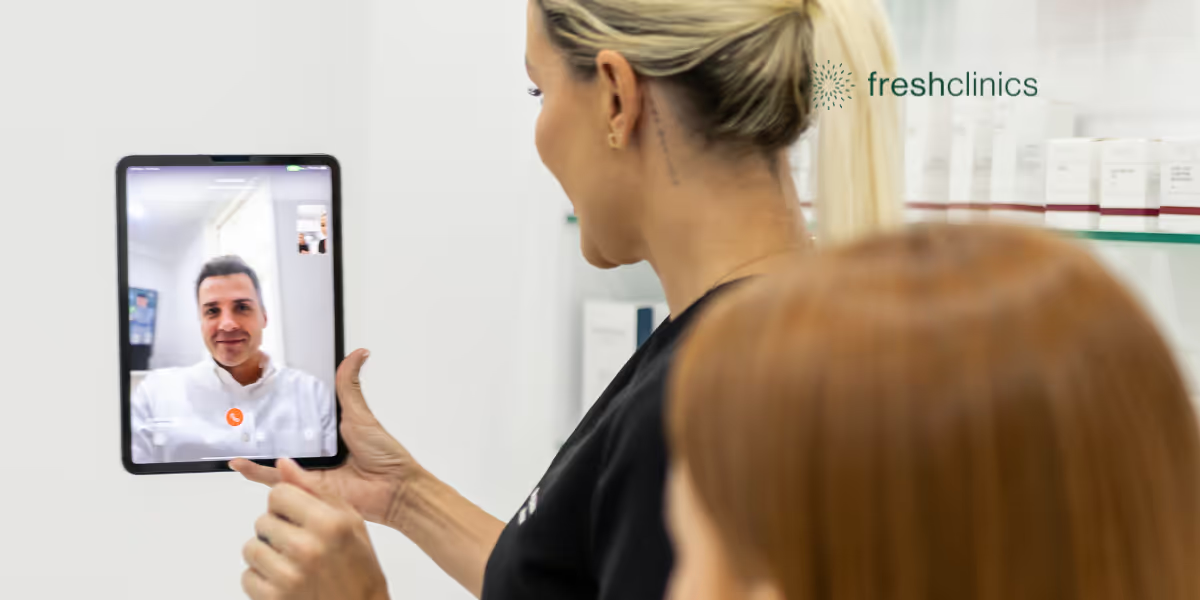
During an in-person exam, the provider may check vital signs, assess skin condition, or physically examine the treatment area to make sure it's safe to proceed. In a virtual exam, the provider will visually inspect the patient over video, ask targeted health questions, and look for any visible concerns, such as skin issues, signs of infection, or anything that may affect the outcome of the treatment. The goal is to confirm the patient is in good health and a suitable candidate for the procedure.
3. Personalized treatment planning
Based on the results of the GFE, you’ll receive treatment recommendations that are tailored to your specific circumstances. This step helps to ensure that your customized treatment plan will be safe and effective.
In-person vs virtual GFEs
Depending on your state, Good Faith Exams can be done either in person or through telehealth. In places like Texas and Pennsylvania, both are permitted, but the process still needs to meet clinical standards. Choosing between the two often comes down to your setup, the treatment type, and what works best for your team and patients.
Here’s how they compare:
In-person GFE: The provider can check vital signs, assess skin and treatment areas, and ask questions face-to-face.
Virtual GFE: Done via video call, the provider visually assesses the patient, asks targeted health questions, and looks for any red flags that could impact treatment.
In both cases, you’ll want to record the assessment, treatment decision, and provider details clearly to show you’ve met medical and legal requirements. This protects your business and ensures patient care is fully traceable.
What are the benefits of a good faith exam?
Good Faith Exams (GFEs) offer a wide range of benefits, and they don’t just apply to patients. They can also be advantageous to providers and med spa owners. At their core, a GFE helps to create a safer, more transparent, and compliant environment for these medical aesthetic treatments to take place.
Here’s how they do that:
1. Enhanced patient safety
The number one priority in any medical spa should be patient safety. A GFE helps providers identify potential contraindications, underlying medical conditions, or medications that could interfere with treatment. By thoroughly assessing a patient’s medical history and current health status, providers can recommend effective and safe treatments to reduce the risk of complications or adverse reactions.
2. Improved patient trust and satisfaction
When patients know that a licensed medical professional is reviewing their case before treatment, it helps to build their trust. The GFE gives patients a chance to ask questions, receive honest feedback, and feel confident about their decision. This transparency often leads to a higher level of satisfaction and can build stronger provider-patient relationships.
3. Better treatment planning
A GFE lays the groundwork to create a customized treatment plan specifically for the individual’s unique needs and health profile.
It helps to ensure the treatment is appropriate for the patient’s goals and physical condition. This, in turn, leads to better outcomes and more consistent results.
4. Regulatory compliance
In many states, including Texas and Pennsylvania, a Good Faith Exam is legally required before you can perform certain procedures.
Having a clear GFE process in place and following it consistently helps ensure your med spa stays compliant with state medical board regulations and accepted standards of care.
5. Potential prevention of board investigations
By completing and documenting a proper GFE, providers can demonstrate that they have taken the necessary steps to evaluate and protect their patients.
All of these steps reduce the risk of complaints or investigations from state medical boards, and most importantly, they help keep your patients safe.

Good Faith Exam (GFE) requirements vary across the U.S., so it’s important to understand the laws in your state. Here are some examples of how the law can vary based on the state you're operating in:
- Texas: GFEs are mandatory before any medical treatment. They can be done in person or via telehealth and must be performed by a licensed professional or supervised by a physician.
- Pennsylvania: Similar to Texas, GFEs must be conducted under physician oversight before medical treatments are performed.
- Illinois: Requires in-person GFEs for certain treatments, particularly injectables and laser services.
- Florida: A physician, nurse practitioner, or physician assistant can do the GFE.
- New York: GFEs are required as part of safe, compliant care. However, the physicians need to own their medical practice.
No matter the state, proper documentation is a non-negotiable for compliance and patient safety.
When is a good faith exam required?
Establishing initial contact with a new patient? Proposing a new treatment plan or significant changes? Noticing a significant time lapse since the last treatment or change in health status? These are scenarios where a GFE becomes non-negotiable. To ensure continuous safety, follow-up GFEs are recommended at least annually for every patient.
Ensuring patient safety in your med spa involves adhering to regulatory requirements that establish a framework for safeguarding patient well-being. Following these guidelines not only creates a secure treatment setting but also ensures med spas comply with healthcare standards designed to uphold ethical and safe practices.
What treatments require a good faith exam?
Any aesthetic procedure in Texas and Pennsylvania (as well as many other states in the USA) that’s considered medical usually requires a GFE. That includes:
- Injectables like Botox or dermal fillers
- IV hydration or vitamin therapy
- Hormone therapy
- Laser treatments and other medical aesthetics services
Essentially, if your prospective treatment involves a needle, prescription drug, or regulated device, you’ll likely need a GFE first.
How Fresh Clinics supports the GFE process
Fresh Clinics was started by industry professionals, so we understand what it’s really like to run a med spa. Finding the right physicians while staying compliant, efficient, and focused on patient care isn’t always easy.
That’s why we make the GFE process easier, with:
- Access to experienced medical directors
- Support from trained providers and clinicians
- Seamless virtual or in-person GFEs
- Documentation that keeps you audit-ready
- A smoother, safer experience for both patients and providers
Whether you're starting out or looking to grow an established med spa, we’ll help you stay compliant so you can focus on what matters most: your patients.
In summary
Overall, a Good Faith Exam should be seen as the foundation on which safe, ethical, and legally sound care is provided in the world of medical aesthetics. As med spas grow in popularity, GFEs ensure that patients receive proper medical evaluations. At the same time, it also helps providers stay within the boundaries of legislated practice. For any provider who wants to deliver high-quality care to their patients, GFEs are a vital part of the process.
Ready to simplify your GFE process?
Fresh Clinics offers the tools and clinical support you need to stay compliant, deliver better care, and grow your med spa with confidence.
Reach out to our team today to learn more about how our spa compliance solutions can help you. Contact Fresh today!
FAQs
Is a Good Faith Exam the same as a regular consultation?
No. While both may involve discussing your goals, a Good Faith Exam is a formal medical evaluation performed by a licensed healthcare provider. It involves reviewing your medical history, assessing your current health, and determining your eligibility for specific aesthetic treatments.
Do I need a GFE before every medical procedure at a med spa?
Yes, in most cases. GFEs are required before treatments like injectables, hormone therapy, and IV therapy to ensure safe and effective care based on your current health status.
Can a GFE be done virtually?
In many states in the USA, including Texas and Pennsylvania, where we operate, virtual good faith exams are allowed. However, these remote assessments still require a review of patient evaluations and a visual medical assessment conducted by a licensed medical provider.
What’s reviewed during the GFE?
The provider looks at your medical conditions, current medications, allergies, and any potential risks related to your requested treatment. They will then offer treatment recommendations tailored to your health and goals.
Why is it important for providers to follow the GFE process?
Following the GFE process helps to ensure patient safety and avoid legal issues. In addition, it supports ethical care standards that are being met, especially in exams in medical spas where oversight is crucial.