Health
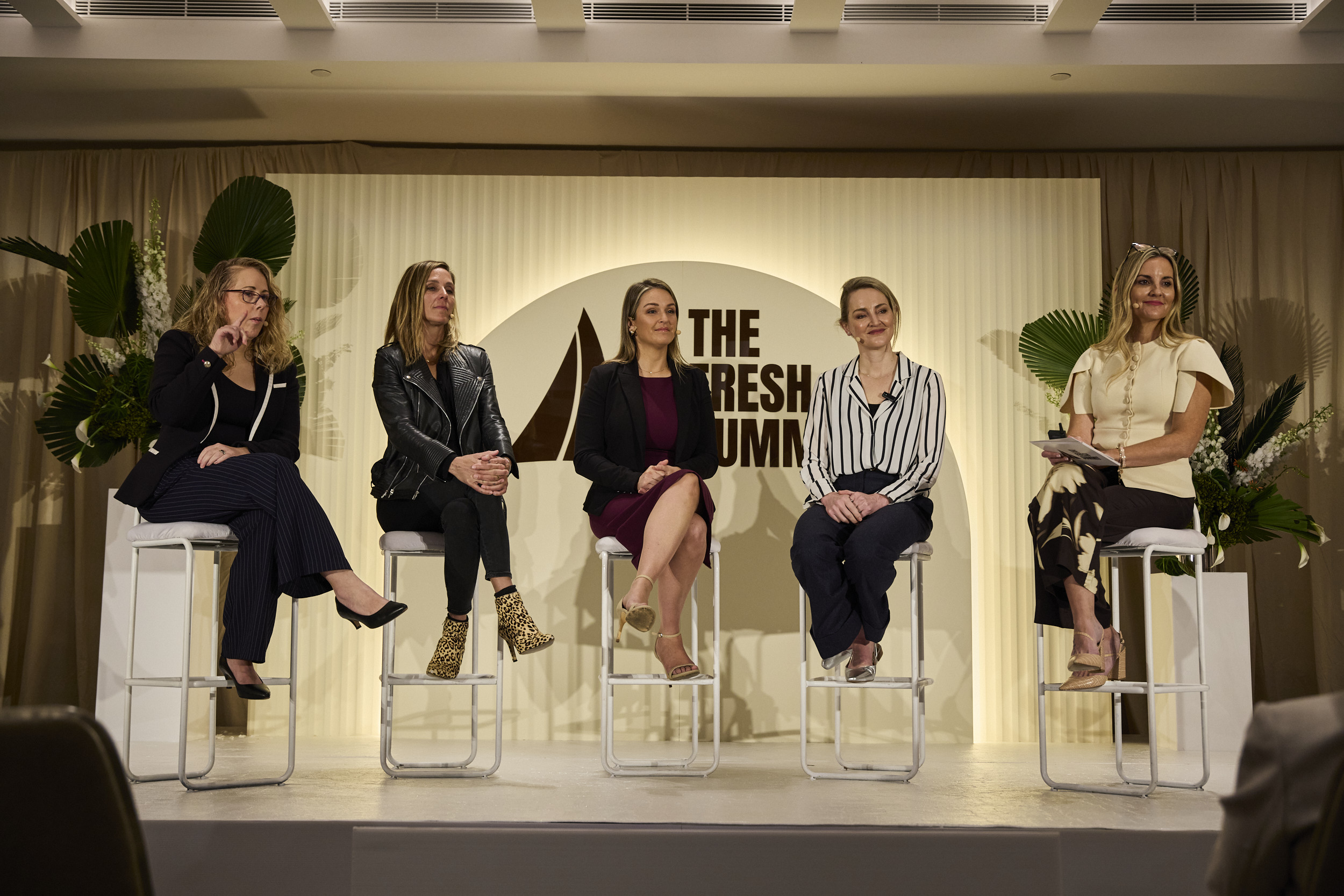
The climb to clinical excellence: what we learned taking The Fresh Summit on the road
The Fresh Summit wrapped its first-ever run this month, and honestly, we're still buzzing.
Four cities. One day each. A roadshow built around a simple idea: bring serious clinical training directly to the practitioners who need it, instead of asking them to travel to find it. Sydney kicked things off at the InterContinental Coogee, before the Summit moved to Melbourne, then Hyde Perth, then finished at Halcyon House in Cabarita Beach. Demand was strong enough that two cities sold out before doors even opened.
This year's theme was "the climb to clinical excellence," and it showed up everywhere, from the stage design to the program itself. Each stop combined three things: hands-on clinical training, business and off-label education, and genuine networking time with peers who actually understand the job.
Mornings were dedicated to consultation skills, marketing and the business side of running a clinic. Then came live demonstrations and intensive sessions covering everything from treatment planning to more advanced injection technique. For those who wanted to go further, optional cadaver labs ran alongside the main program in select cities.
Be confident, not casual, about rebooking
Fresh Clinics' Megs Reid, our Head of Partnerships, took the stage to talk sustainable clinic growth, and her advice on rebooking landed hard with the room. Instead of asking a patient if they'd like to book their next visit, she suggested practitioners simply state it as part of the plan: "I need to rebook you for your follow-up appointment."
Small shift in wording. Big shift in confidence. If a follow-up is clinically appropriate, presenting it that way isn't a sales pitch, it's continuity of care.
Posting something beats posting nothing
Marketing came up again and again across the day, unsurprisingly given how many practitioners feel unsure about what they're allowed to say online. The takeaway was simple: something is better than nothing. Disappearing from social media entirely doesn't protect a clinic, it just makes it harder for prospective patients to find you in the first place.
Growth doesn't always mean a new treatment
Live demonstrations deliberately moved past the face, covering hand rejuvenation and treatments for the stomach and neck. For experienced practitioners, this is often where growth is already sitting, in skills they've got but haven't applied more broadly, rather than in a brand-new modality.
Launching the Fresh Business Program
Clinical training was only half the day. The Summit was also where we launched the Fresh Business Program, four separate programs built around the parts of running a clinic that nobody teaches you at nursing or medical school.
Between them, they cover consultations and patient trust, the numbers side of the business, marketing you build yourself, and marketing you hand off entirely. Different practitioners get stuck in different places. Some can consult and inject without blinking but freeze up at a P&L. Others have the numbers sorted but no idea what to post online. So rather than one generic course, we built four, each led by someone who has actually run a clinic rather than borrowed the industry for a slide deck.
For Members, that means real choice. Start with whichever program is costing you the most right now, whether that's a consultation that isn't landing, a marketing plan that doesn't exist yet, or a business you can run but can't quite read. Come back for the rest when you're ready. No single program has to fix everything at once.
Community is the biggest thing we invest in
If you've been part of Fresh Clinics for a while, this won't come as a surprise. Community has always been the piece we put the most into, year after year, long before the Summit existed. The training, the events, the WhatsApp groups at 9am on a Monday, all of it comes from the same place: we're building something practitioners actually want to be part of, not just a service they use.
That showed up everywhere on the road this year. Nurses and doctors who'd never met before were swapping numbers by lunch. People stayed back after sessions just to keep talking. Whichever city you were in, there was a real sense of "we're all figuring this out together," which is exactly what a room full of Fresh people should feel like.
What's next
The Fresh Summit brought the industry together in a way that felt different this year. Real training, real conversation, and a genuine sense of community in every room, whichever city you were in.
If you missed this year's roadshow, keep an eye on our socials for what's coming next. And if you were there, thank you for making the climb with us.
How to run a compliant Aesthetic Clinic in Australia
The Australian aesthetic industry is thriving, projected to reach more than AUD$13 billion by 2030. It’s a sustainable business with many moving parts, the biggest being whether your clinic operates within local and federal regulations. Running a compliant aesthetic clinic will protect yourself, the clinic, your patients, and your bottom line.
The financial penalties for non-compliance can reach a maximum of AUD$60,000 per breach for individuals, and AUD$120,000 per breach for corporations. But with the right guidance and support, understanding compliance becomes less of a mountain to climb, and more of a rolling checklist to review.
Federal and state/territory regulations cover all aspects of your clinic, especially when offering Schedule 4 (S4) prescription-only treatments. In this guide, we walk you through it all, including the main governing bodies, the regulations themselves, and how to apply each to your clinic.
Key takeaways
- Aesthetic clinic compliance is monitored and enforced at federal, state, and local levels
- Non-compliance can result in penalties including substantial fines, loss of licence, or criminal charges, depending on the violation
- Legal requirements become stricter for the use and advertising of Schedule 4 (S4) prescription-only medications
Legal ownership rules for aesthetic clinics in Australia
First, there are key regulations to follow for clinic ownership. In terms of business registration, anyone can register a standard Pty Ltd company to open a cosmetic space, so you don’t have to be a doctor to own a clinic in Australia.
However, owning the commercial business registration isn’t a licence to start practising medicine or purchasing prescription-only medications. That requires correct business structure and adherence to strict clinical regulations.
Clinical governance
Clinical governance is the framework that restricts a non-medical business owner from changing clinical operations to meet their own commercial interests. They cannot legally direct, pressure or influence a practitioner’s clinical choices. Doing so is considered an unlicensed practice of medicine, which is a criminal offence. And since it’s the practitioner’s responsibility to protect patient safety, they risk losing their licence if they comply.
Since registering a business isn’t enough to start providing medical treatments, you need the right business structure to avoid non-compliance penalties. This is possible through the Service Provider Model.
Using service providers for S4 medication oversight
To legally offer S4 prescription-only treatments in your clinic, there must be proper clinical oversight. The standard business model for this is called the Service Provider Model, which splits the business responsibility in two:
- The corporate entity that owns the clinic as a landlord and administrative provider, and
- Medical oversight, which places clinical responsibility (and legal accountability) for S4 prescriptions on an authorised designated physician, such as a doctor or nurse practitioner
Fresh Clinics provides the digital infrastructure that makes this business model possible. It helps alleviate compliance risk with transparent business operations, while clinical charting, prescription orders and doctor review workflows are securely protected per national board guidelines.
With the right structure laid out, let’s take a closer look at the regulators and governing bodies for your aesthetic clinic.
Who governs aesthetic clinics in Australia?
Knowing the key industry bodies ensures you have the right resources to check before and after you open your doors. There are three main tiers of industry regulators:
- Federal (Australia-wide)
- State/Territory (regional)
- Local (LGAs)
Let’s take a look at each of these in more detail.
Federal regulators
Federal regulations are enforced for all aesthetic clinics Australia-wide. These regulators should be your first priority when establishing your clinic, as they govern both your practitioners and your products:
Therapeutic Goods Administration (TGA)
The Therapeutic Goods Administration (TGA) has strict rules around the control of what they call Schedule 4 (S4) prescription medications. These rules include:
- Advertising: S4 prescription medications can’t be advertised to the public (total ban on mentioning brand name, active ingredients, or any other descriptors)
- Prescription: only authorised medical practitioners (such as a prescribing doctor or nurse practitioner) can prescribe S4 medications
- Access: access to these medications is restricted to the authorised prescribers
- Administration: a doctor or nurse practitioner (NP) must first evaluate the patient, then delegate administration to the registered nurse (RN)
Australian Health and Practitioner Agency (Ahpra)
Australian Health Practitioner Regulation Agency (Ahpra) sets the regulations around scope of practice for RNs, doctors and NPs. These rules include:
- Professional conduct: authorised prescribers must conduct mandatory assessments that detail all risks before an injectable procedure (must be in person or on video consult, as generic questionnaires and remote prescriptions are illegal)
- Mandatory training: non-medical practitioners (like RNs) must have a minimum of 12 months of general nursing experience before starting cosmetic practice, and practitioners must complete ongoing training
- Advertising compliance: all medical advertising must be honest and describe realistic outcomes, cannot trivialise cosmetic procedures, or use patient reviews that reference clinical outcomes or treatments
State regulators
Every state/territory operates under its own Poisons and Therapeutic Goods Act (or regional equivalent) which enforces strict S4 medication rules including:
- Storage
- Disposal
- Compliant handling audits
For S4 medications, you’ll need to be across your region’s specific legal obligations when operating your clinic.
Local council regulations
Local government environmental health officers manage the compliance for how your clinic is physically set up. To legally operate, you’ll need to obtain a Skin Penetration Licence or Public Health Registration, which dictates exact structural fit-out standards such as:
- Seamless flooring
- Specialised clinical handwashing stations
- Biohazard waste collection
Aesthetic clinic regulators at a glance
- Federal – TGA: S4 medication importing, scheduling and advertising
- Federal – Ahpra: Scope of practice, professional standards, and advertising guidelines
- State – State Departments of Health: Local poisons control, S4 drug logging, and medical inventory tracking
- Local – Local environment councils: Facility fit-out, sanitation audits, and skin penetration licensing
For independent practitioners, this can be a lot to take in. The Fresh Clinics platform helps you with compliance by natively integrating it into your software, such as clinical logging, digital drugbook management, and instant access to telehealth prescribing networks.
Clinical roles and their legal responsibilities
Cosmetic injectables cannot be administered by beauty therapists or dermal clinicians. So when you decide to offer S4 prescription-only medical treatments (such as cosmetic injectables), there are additional compliance requirements you must follow. This extends to your staff, their training, and who can legally do what. These roles include:
- Authorised prescriber
- Registered nurse
- Enrolled nurse
- Beauty therapists
The prescriber’s authority
The prescriber sits at the top of the clinical hierarchy, with all operations of an Australian aesthetic clinic revolving around their decisions and delegation responsibilities. The only practitioners who can be a prescriber include:
- An Ahpra-registered practitioner (doctor)
- Nurse practitioner (NP)
These are the only roles that have the diagnostic authority to review a patient’s medical history and legally prescribe S4 cosmetic treatments. Once the treatment is legally prescribed, it’s generally administered by a registered nurse (RN).
The scope and boundaries of a registered nurse (RN)
Registered nurses (RNs) are central to the clinical industry, providing important care and attention to patients. Here’s a quick overview of their scope and boundaries:
- RNs can’t diagnose or prescribe S4 treatments independently
- RNs must be supervised and are only allowed to perform injections once an authorised prescriber has completed an evaluation and issued a prescription
- RNs can perform laser resurfacing, chemical peels, and microneedling treatments
- RNs must have at least 12 months’ experience in foundations and general post-graduate clinical nursing before moving into the cosmetics field
Where required, the RN can have an enrolled nurse (EN) assist them.
The role of enrolled nurses (ENs)
Enrolled nurses have more restrictions around their day-to-day work:
- ENs cannot perform S4 medical injections independently
- ENs must be directly supervised by a registered nurse (RN) when administering injectables
- ENs cannot prescribe or conduct patient evaluations
- ENs must have a minimum one year full-time-equivalent (FTE) experience post-initial registration, plus one year FTE experience in a related clinical area, and complete relevant cosmetic-specific education and training before practising in non-surgical cosmetic procedures
Beauty therapists and dermal clinicians are classified as non-medical staff and therefore cannot legally handle or inject S4 prescription substances.
Your clinic’s physical setup requirements
Moving through clinic ownership, staff structure, and responsibilities, next is passing the rules and regulations for your clinic’s physical space. These will change depending on your state or LGA, so it’s important to check the below against your state’s regulatory requirements. This includes strict local environmental and health panel standards such as:
- Obtaining a Skin Penetration Licence (or regional Public Health Registration): required to operate procedures like cosmetic injections, microneedling, or threading
- Operating within physical space requirements: this includes seamless clinical flooring, wipeable workspaces, and a hands-free sensor-operated handwashing basin exclusively for clinical sanitation
- Strict storage requirements for S4 prescription medication substances: purpose-built, lockable medical fridges that maintain temperature between 2°C and 8°C (beauty or residential ‘mini fridges’ are illegal and a major compliance violation)
- Maintaining cold chain management: requires twice-daily physical temperature logs or automated digital data loggers to prove the integrity of the medication’s safety chain (a vaccine fridge for cold chain management is essential)
- Adhering to clinical waste regulations: every treatment room must feature an Australian Standard-approved sharps disposal container out of reach of patients, but easily accessible to the injector
- Contracting for medical waste disposal: aesthetic clinics must contract a licensed medical biowaste management provider to collect and destroy contaminated clinical waste, used syringes, and discarded S4 vials
Inventory compliance comes with its own level of complexity. At Fresh Clinics, our platform helps simplify these requirements by instantly tracking S4 batch numbers, expiry dates, and clinical disposal status. Using Fresh Clinics to move to digitised logging keeps your clinic audit-ready for state health regulators.
Protocols for minors and emergencies
To run a cosmetic clinic safely within Australian law, there are some extra restrictions and protections. This includes compliance requirements for patients under the age of 18, informed consent and risk documentation, and emergency protocols.
Legal protections for minors
Treating young patients is heavily policed under the cosmetic injectables regulation framework. It’s regulated to help protect young people from making decisions they may not fully understand and/or jumping into decisions too quickly. To enforce this, any patient under the age of 18 seeking non-surgical cosmetic procedures must have a mandatory cooling-off period of at least seven days after the initial medical consultation.
During this cooling-off period:
- Treatment administration cannot be performed
- Patients cannot be rushed
- Deposits cannot be taken
Practitioners must thoroughly assess the minor’s clinical capacity and psychological suitability before consenting to treatment.
Informed consent and risk documentation
In Australia, non-surgical cosmetic treatments (such as cosmetic injectables) require thorough, informed consent forms. This documentation is legally required in the initial consultation, as the patient must have a full and documented understanding of the procedure risks, recovery, alternatives, realistic outcomes, and long-term maintenance costs before making a decision.
This documentation can’t be treated as a generic form with a checkbox or automated signature. It must be linked to a customised, practitioner-approved treatment plan that’s updated prior to every active clinical session.
Emergency preparedness and medical SOPs
Clinical compliance goes beyond patient documentation. It requires full holistic preparation for potential adverse events. This is where standard operating procedures (SOPs) come into play. SOPs are step-by-step instructions to conduct routine tasks safely. Your aesthetic clinic should have SOPs for all required procedures.
As part of your legal obligations around documentation, you’re also required to have emergency preparedness plans, known as emergency SOPs. This is critical documentation to see your staff through emergency adverse events, such as activating a vascular occlusion protocol.
In an emergency event, your clinic must:
- Have immediately accessible emergency SOPs for severe complications
- Stock a dedicated emergency “crash kit” containing key emergency medications (such as high-concentration Hyaluronidase for dissolving blocked filler vessels and adrenaline for anaphylactic shock)
Failing to keep these active reversal tools on-site can invalidate a clinic’s medical malpractice insurance.
What are the rules for compliant medical marketing?
The rules around medical marketing (especially prescription medicines and non-surgical cosmetic procedures) are very strict, with significant penalties for non-compliance. They are so strict, in fact, that the latest statutory updates by the TGA and the Ahpra guidelines make Australia one of the most highly regulated cosmetic marketing environments in the world. It regulates rules stating you cannot:
- Make any misleading claims
- Set unrealistic expectations, either stated or implied
- Guarantee results or experiences
- Use financial inducements
- Target minors
- Directly or indirectly promote prescription-only medicines
However, it is possible to successfully market your clinic within regulations. Taking the time and attention to ensure each campaign is properly reviewed and executed goes a long way. Here are the main Ahpra and TGA advertising rules you need to follow.
You cannot advertise prescription medications to the public
Marketing prescription medication to the public is illegal. There are a few reasons the TGA is so strict on this:
- Prescription medications (like S4) carry higher risk than non-prescription medication, and therefore patients must make a fully informed decision during an authorised consultation (and not based on an advertisement)
- Advertising these medications can create inappropriate demand, and minimise the patient-prescriber relationship
You cannot use testimonials or influencer advertising
A testimonial is a positive statement or review from a patient recommending a clinical outcome, experience, or practitioner skills. It’s what’s called ‘social proof’, and in generic (non-medical) industry marketing, customers use testimonials and reviews to gauge a product or service prior to committing.
The Ahpra’s stance on using testimonials in medical marketing is very clear: it is absolutely prohibited in cosmetic health service advertising and the promotion of medical care, treatments, or outcomes.
Testimonials in medical marketing are banned for several reasons:
- They’re often personal opinions
- The outcomes experienced by one patient don’t necessarily reflect the outcomes available to all patients
- They can be misleading as they’re not a balanced source of information
- They may not have expert knowledge to assess if the information is accurate
The rules around this are so strict that a clinic owner can’t post patient reviews, use paid social media influencers, or even engage (like, comment, or share) with a testimonial without being in breach.
Your advertising must adhere to under-18 restraints
In order to protect young and vulnerable people, the TGA and Ahpra ban medical marketing and advertising targeted to people under 18 years of age. This ban exists to protect them from making quick decisions about their bodies, having false hope or unrealistic expectations, and peer pressure. The key takeaways here include:
- You must not advertise to minors
- You must not use before-and-after photos featuring minors in any marketing material (including social media posts)
- An under-18 cooling-off period of at minimum seven days after their initial consultation
You cannot use financial inducements
Financial inducements means offering gifts, money or rewards to influence a patient’s healthcare decisions. Cosmetic clinics are prohibited from offering inducements such as:
- Limited-time discount packaging
- Holiday giveaways
- Commercial financing plans designed to encourage quick patient decisions on medical procedures
You must choose your language carefully
In medical marketing, it’s best to tread carefully. The TGA not only bans marketing S4 medications to the public, it’s also extremely strict on brand name usage and even generic expressions (like “anti-wrinkle injections”) if the context leads a reasonable person to understand a prescription medication is being promoted.
Once you get a handle on the do’s and don’ts of medical marketing, you can prepare and execute with compliance in mind.
It’s essential to take your time to seriously consider all of the above: your staff, advertising, treatment requirements, physical clinic setup, patient safety responsibilities and documentation. Otherwise, you risk substantial penalties.
Potential penalties for non-compliance
With the rules and regulations around running your aesthetic clinic now outlined, it’s time to get a full picture of potential non-compliance consequences.
Financial consequences under national law
Depending on the severity of the allegation, under section 133 of the Health Practitioner Regulation National Law, non-compliance can carry hefty penalties. This includes individuals facing fines of up to $60,000 per breach, and corporate entities up to $120,000 per breach.
The way the per-offence structure is set up can compound those penalties, so one marketing campaign can cause multiple breaches. For instance, a single social media campaign that references multiple illegal/prohibited claims (such as testimonials and banned advertising terms) can quickly escalate to catastrophic financial liability for a young clinic.
Civil and criminal sanctions for prescription medicine and device breaches
Unlawful advertising or importation of S4 prescription-only medicines is a serious, actively enforced offence. For example, the TGA issued 11 formal infringement notices (totalling $43,560) to six individuals for illegally importing unapproved cosmetic items and advertising restricted S4 medications.
Penalties can also go beyond financial: severe breaches can result in criminal prosecution and result in millions of dollars in corporate fines, or immediate jail time.
Professional and registration penalties
The Ahpra updated their cosmetic injectables regulation frameworks to include further restrictions that impact a practitioner’s career. They take a zero-tolerance approach, with all non-compliance breaches triggering formal investigations.
These investigations can result in:
- Formal reprimands
- Immediate suspension of a doctor, RN, or NP’s licence to practice
- Potentially void malpractice insurance (leaving the injector personally liable for civil litigation if a patient suffers an adverse event)
Operating within the law and regulatory frameworks not only ensures your compliance, it also safeguards your staff, facility, and bottom line. At Fresh Clinics, our practice management platform is designed to help keep your clinic compliant with Ahpra and TGA regulations. This includes generating safe, consultation-led bookings through to logging unedited, standardised clinical charts. It’s designed to protect your revenue, clinic and licence, whether you’re a Fresh Nurse or doctor.
Final thoughts
Compliance can feel overwhelming at first. When armed with the right foundations, it becomes more like a checklist to follow. At Fresh Clinics, that’s what our practice management platform is designed to do.
Join Fresh Clinics today to get the support you need to run a safer, more compliant aesthetic clinic in Australia.
FAQ
What are the legal requirements for aesthetic clinics in Australia?
Aesthetic clinic legal requirements are regulated at federal, state, and local council levels. There are requirements around:
- Clinic structure
- Clinic physical set-up
- Licensing and permits
- Advertising
- Staff training and experience
- Scope of practice
- Protocol and documentation
- The storage, handling, treatment process, and record-keeping for S4 prescription medications
What are the strict TGA rules regarding advertising on social media?
The TGA explicitly prohibits the advertising of S4 prescription-only medicines directly to the public. This includes a ban on using brand names, and terminology such as “anti-wrinkle injections” and “dermal fillers” where a reasonable person would understand a prescription medicine is being promoted. These rules apply to all medical marketing across all advertising channels, not just on social media. Even sharing or interacting with a patient’s social media post discussing their experience on your own aesthetic clinic social media page can have consequences.
What is a digital drugbook, and how do Australian state regulations enforce its use?
A digital drugbook is a register used to log S4 prescription medicine transactions, including receipt, administration, and disposal. The state/territory’s Department of Health and poisons control bodies both legislate and enforce its use, and conduct targeted audits to check compliance. Using a digital drugbook ensures practitioners maintain accurate, auditable records of S4 stock movements, including stock levels and storage location.
This information was accurate at the time of publication and does not constitute legal advice. Always seek advice from qualified experts such as a commercial lawyer and/or accountant.

How to work out your clinic's margins and break-even point
Fresh Clinics' State of Medical Aesthetics Report 2025 found that 63% of clinic owners are not confident understanding their financial performance. If you trained clinically and picked up the business side as you went, below is a guide for where to start with understanding the numbers behind your business. Set aside twenty minutes and have last month's figures where you can see them:
Step 1. Start with last month
Write down everything the clinic spent last month, including rent, product, consumables, electricity bills, then write down what came in from patients. The gap between those two is your profit for the month, and that's a profit and loss statement. Megs Reid, our Head of Partnerships, describes P&Ls a snapshot of how the business is performing.
Step 2. Pick one treatment, not your whole menu
Profit for the whole clinic tells you whether you made money for the month, but not which treatments were the most successful. Margin per treatment answers that, so choose a treatment you perform often and write down what a patient pays for it and what it costs you to deliver.
Step 3. Work out the margin
Subtract the cost from the price, divide what's left by the price, then multiply by 100. That's your gross margin on that treatment (Gross margin % = (Price − Cost) ÷ Price × 100). Then run it on a second treatment. Two treatments priced similarly can leave very different margins, so start with the one that fills your diary and the one you assume is most profitable.
Step 4. Check what you counted as cost
Most cost columns are missing something. Add freight, gloves and anything else consumed in the room. Device and peel treatments need one extra line, because they carry little product cost but a lot of chair time, so put a value on the time and add it in. Don't chase precision here, because within a couple of percent is close enough to make a decision.
Step 5. Work out what you need to bill each week
Add up your fixed costs for the year, meaning the commitments that don't move month to month, like rent, insurance, electricity and wages. Divide that annual figure by 52, and you have what the clinic costs every week before it earns anything. Now divide that weekly figure by your gross margin from step 3. The result is the revenue you need to bill each week to break even, so compare it against what you billed last week.
Step 6. If a margin looks lower than you expected
You have three levers before price, so look at what you're buying, who you're buying it from, and whether a larger order gets you a better rate. Weigh a bigger order against your cash flow before you place it, and check you can still cover rent and wages that month.
Step 7. Put it in the diary
Book an hour or two a month and block it at the start of the week, before the diary fills. Megs treats that time as working on the business rather than in it. Review your prices on a slower cycle, twice a year. Patients absorb small regular adjustments more easily than one large correction, so put the question in your calendar rather than waiting for a margin to slip.
What changes once you've done it a few times
On the first episode of Fresh Pod, Megs compares a set of business numbers to a blood test. You get the results, one is fine and another is low, and the low one tells you what to change. Listen to the full episode here.
How to choose Aesthetic Clinic management software
The Australian aesthetic market is estimated to reach more than AUD$13 billion by 2030. To keep up with that growing demand, aesthetic clinic owners need the right software. Running bookings, payments, telehealth and inventory across disconnected platforms fractures the patient experience and makes it harder to stay Ahpra compliant.
Most growing clinics eventually move to one centralised practice management platform. The right one connects your operations, supports your clinical obligations, and grows with you.
Here’s what to look for in your aesthetic clinic software:
- Built-in governance and compliance
- S4 and drugbook management
- Inventory and stock control
- Booking and patient management
- Ease of integration
- Flexible contract terms
These criteria support the patient experience, compliance adherence, and your internal operations. But what does that look like in practice? In this guide, we cover what those criteria are, why they matter, and the questions to ask when viewing a demo.
Please note: This guide does not provide advice on which platform to choose. It sets out the criteria that matter most for Australian aesthetic clinic owners, and then evaluates the top seven platforms across wider software pillars.
Key takeaways
- The right software depends on your clinic size, services, and priorities
- Clinic software should include compliance guardrails and integrate with your other systems
- Watching a live demo lets you test how a platform handles your specific workflows
- Provider platforms vary in price, features, and contract terms
Criteria #1: Built-in compliance and governance
Compliance covers every aspect of your aesthetic clinic, from business management and clinical operations to data storage and your physical setup. With some breaches carrying hefty penalties, your software must have the right compliance guardrails in place to protect your staff and your clinic. Here are the main features to check when assessing compliance governance.
Automated regulatory monitoring and updates
Your software should support your day-to-day operations while upholding your regulatory requirements set out by:
- The Therapeutic Goods Administration (TGA)
- Australian Health Practitioner Regulation Agency (Ahpra)
- Privacy Act 1988
Together, they govern practitioner qualifications and experience, patient consent and suitability assessments, and how patient information is collected, stored, and disclosed.
Ahpra and TGA regulations change, and tracking these manually leaves you open to accidental breaches. For example, Ahpra updated the minimum experience requirement for nurses performing cosmetic injectables, which affects who you can hire for those treatments.
Look for software that tracks regulatory updates automatically and tells your team when something changes, so everyone stays compliant.
Clinical documentation and record-keeping
Having the right documentation housed within your platform is essential for three reasons:
- There’s a clear audit trail if something goes wrong
- Patients are properly guided and informed to understand the procedure, its risks, and aftercare (per Ahpra-aligned consent management guidelines)
- It supports continuity of care across practitioners and visits
Treatment notes, consent forms, and prescriptions should be logged as care happens. This means your software should time-stamp entries, link them to the correct patient record, and keep a clear trail of who accessed a record or made changes.
Data security
Every time a patient’s information is entered into your clinic database, you’re obligated to store it with the right level of security. If something goes wrong, you must prove you took reasonable steps in protecting the patient’s privacy. These steps include:
- Data encryption during storage or transfer
- Role-based controls to limit who accesses the data
- Documented incident-response procedures
Failing to do so can expose your clinic to financial penalties. The Federal Court recently issued a $5.8M fine, where part of the breach stemmed from failing to take reasonable steps to secure personal information. Look for software that provides encryption and supports compliant data handling.
Medical oversight and remote prescribing
Some treatments require a doctor’s involvement before the process can proceed, such as reviewing a patient’s suitability or issuing a prescription remotely. Software with medical oversight built into the workflow (for example, telehealth capabilities and clinical oversight structure) makes it easier to maintain documentation and consistency across patient records.
Complication and incident support
When something goes wrong, there should be a clear, recorded process for escalating the issue. Your platform should support:
- Step-by-step protocols (also known as SOPs) for common complications and serious events, like vascular occlusion
- A documented escalation path so staff know who to notify and when
- Automatic linking of incident records to the patient’s file
- An audit trail of the event including who was involved, and when and where it happened
Building strong clinical governance habits and backing it up with the right software helps you handle an incident in line with your regulatory obligations.
With your compliance foundations checked, the next criterion is how your software will handle S4 substance requirements and drugbook management processes.
Criteria #2: S4 substance and drugbook management
As soon as you offer Schedule 4 (S4) prescription-only treatments, such as cosmetic injectables, you’re legally required to track the medicine’s lifecycle, from receipt to disposal. These requirements sit under the TGA Poisons Standard, which varies by state and territory.
When assessing clinic software, check how it handles S4 substance management and its digital drugbook capabilities, and whether it automatically aligns with local TGA regulations.
S4 substance handling
Though the regulations vary depending on your location, S4 substances generally need to be securely housed in lockable, compliant storage (refrigerated where required) with restricted access. Any discrepancy (a dropped vial, expired batch, etc.) must be recorded.
Manually tracking this with spreadsheets or paper-based systems widens the margin for human error and potentially leads to missed discrepancies. Having software that tracks state-by-state S4 regulations helps keep you updated and minimises accidental non-compliance.
Drugbook management
A digital drugbook is where that tracking data sits day to day, making it a must-have for your evaluation. When built into your aesthetic medical practice management software, a digital drugbook should:
- Automatically track each vial’s movement, start to finish
- Accurately link doses to patient records
- Flag stock discrepancies in real time
- Keep an audit trail for regulators
For all other consumables and stock that moves through your clinic, inventory control helps itemise, track, and adjust stock levels in real time.
Criteria #3: Inventory and stock control
Inventory management is designed to track consumables in your clinic. The right software should give you stock visibility, flag when something needs reordering, and track wastage or discrepancies. Ideally, it should connect directly to what’s being used in appointments to automatically adjust stock levels. This gives you a clearer picture of your inventory well before stocktake.
For a growing clinic, having that data provides insight into what sells, sits on the shelf, or needs reordering. It helps you manage cash flow by forecasting what to spend and when to spend it.
These first three criteria cover back-of-house operations. The next three support the front-of-house patient experience.
Criteria #4: Booking and patient management
The patient experience is essential to your clinic operations, where satisfaction is driven by clear communication, education, and realistic expectations. Patient management software (PMS software) that supports the experience smooths the process while providing high levels of consistency. Here’s what to look for specifically when assessing aesthetic clinic platforms for patient management.
Online booking and scheduling
As millennials show a growing demand for minimally invasive cosmetic enhancements, and the global Gen Z market is expected to reach USD$1.8 billion (AUD$2.5 billion) by 2033, these digital-first generations expect online booking as part of their clinic experience.
A patient management system that supports online booking with real-time calendar availability and automatic updates and reminders (via SMS or email) satisfies expectations while minimising no-shows and manual front desk admin.
Consultations and treatment plans
Every patient, whether new or existing, needs a documented consultation, clear treatment plan, and properly captured consent before any procedure can progress. It’s essential for making safe decisions and acts as a safeguard if a consultation or a patient’s understanding is ever questioned.
When evaluating the best clinic management software for your business, make sure the platform:
- Digitally captures consultation notes and consent, linked to the correct patient record
- Stores a clear treatment plan for each patient, including proposed procedures, products used, and any planned follow-up
- Keeps patient consent form records for ease of reference if patients return for further treatment
This gives the practitioner a holistic view before deciding on next steps.
Patient history and profile tracking
Patient history is where disconnected systems can cause confusion. Without housing treatment history, past doses, prior reactions or complications, and previous consultations in one central place, there’s potential safety risk and a margin for human error.
When choosing cloud-based practice management software, it should provide an ecosystem where patient information is stored in one secure place, rather than split across separate CRM or EMR systems.
Criteria #5: Ease of integration
Your chosen aesthetic clinic software should integrate with your other business systems. Accounting, payments, marketing tools, and communication platforms all need to talk to your core practice management system. How well they connect can determine whether your team saves time or duplicates work.
When assessing platforms, it’s important to check that they can:
- Sync with accounting and financial software
- Integrate with email and marketing platforms
- Process payments through point-of-sale systems
- Support workflow automation and communication tools
How easily your chosen platform connects to the systems you already use can influence your clinic’s day-to-day operations.
When making your decision, the last step is to check the provider’s contract terms, so you are informed of fees, flexibility, and migration paths.
Criteria #6: Contract terms and flexibility
The right software should cover your priorities, support your clinic operations, and automatically track compliance changes. However, a platform that appears to tick every box can cause more stress if the contract locks you in, charges hidden fees, or makes it hard to leave.
Before making your final decision, check their contract terms to make an informed decision on whether it’s the right fit. Here are a few points to keep in mind when reviewing a platform contract.
Lock-in periods vs. flexible terms
Some providers require long-term contracts, while others offer month-to-month flexibility with no lock-in contracts. Long-term contracts can sometimes mean a lower rate, but you sacrifice the ability to change providers if it’s not the right fit. This is especially important for growing aesthetic clinics, as you’ll want your chosen software to scale with your business.
Migration and exit support
The data your clinic collects is foundational to ongoing compliance and clinic operation. So, what happens to that data if you decide to change providers? This is an important question, as not all providers offer the same level of migration support.
Check whether the platform allows data exports in usable formats, so you don’t have to build your data from scratch if you decide to move on.
What to check before signing
Before signing, here are a few questions to ask:
- What’s the minimum contract length?
- What happens if I cancel early?
- Are there any setup, migration, or exit fees?
- Can I export my data in formats other systems can use?
- How does pricing change if I add users, locations, or add-on features later?
Drivers of aesthetic clinic software cost
Pricing structures vary significantly between providers, both in total cost and in how that cost is calculated. Some charge per location and others on usage, such as per script or order processed, instead of a flat-rate subscription. Here are some cost considerations to check before signing a contract:
- Number of users or seats: some providers charge per practitioner or staff member with system access, so prices scale along with your team
- Number of locations: running the platform across multiple clinics can compound fees
- Feature tier or add-ons: core features like booking and patient records may be included in the base price, but other tools (like advanced reporting or marketing support) can sit behind the next tier/package or as a separate, ongoing charge
Since prices vary by provider, using one fee structure (like flat pricing) to compare them can be misleading. It’s worth asking each provider for a breakdown against your clinic requirements, such as team size, number of locations, and the features you want to prioritise.
Now that we’ve covered the criteria that matter most to aesthetic clinic owners, let’s take a look at the top Australian aesthetic clinic software providers and how they score against six core clinic software pillars.
Scoring the top 7 practice management software providers in Australia
To help you in your search, we’ve researched the core pillars that make up the foundations of all aesthetic clinic software platforms. Using public information, we’ve evaluated each top software provider against these pillars and scored them based on our findings, outlined below.
These core clinic software pillars include:
- Pillar 1: Clinical, governance, and patient safety
- Pillar 2: Injector workflows and treatment enablement
- Pillar 3: Scheduling, POS, and core business operations
- Pillar 4: Patient experience, CRM, and retention
- Pillar 5: Automation, integrations, and ecosystem
- Pillar 6: Usability, scalability, and overall value
Note: These software pillars don’t map 1:1 to the six criteria above. Some combine several criteria or are segmented across a few. To keep things simple, use the core scoring list below as an overview, and the criteria above to help you choose based on your needs.
For full transparency, our product is on the provider list. However, we’ve used the same evaluation criteria and public information across all platforms to ensure each assessment is fair and unbiased.
An overview of the top 7 aesthetic clinic software platforms in Australia
- Fresh Clinics: Best suited for growing aesthetic clinics wanting compliance and prescribing handled inside their core software. Standout feature: end-to-end ecosystem combining medical-grade EMR, telehealth doctor prescribing, and automated S4 drugbook compliance in one platform, backed by a community of aesthetic nurses and clinic owners.
- Juv'ae: Best suited for nurse-led cosmetic clinics wanting hands-on business and clinical support. Standout feature: bespoke clinic management software with training, mentorship, and governance built in.
- Clinicminds: Best suited for larger or multi-practitioner clinics wanting a highly customisable EMR. Standout feature: deep customisation to define workflows, with AI-assisted documentation.
- Phorest: Best suited for clinics prioritising patient retention and growth marketing. Standout feature: simplified booking with integrated payments and marketing, focused on revenue growth and retention tools.
- Aesthetic Nurse Software (ANS): Best suited for solo and growing aesthetic clinics wanting an aesthetic-specific platform. Standout feature: online booking, documentation storage, automated reminders, and marketing tools.
- Zanda Health: Best suited for allied health practitioners looking to simplify their clinic operations. Standout feature: broad, multi-discipline practice management with built-in AI, communication tools, documentation, and telehealth.
- Best Practice Software: Best suited for allied health practitioners wanting to simplify workflows and enhance patient care. Standout feature: adaptable, purpose-built tools and add-ons such as mobile tools, online booking, and SMS communication.
How these top platforms score and compare
The right vendor will differ depending on your priorities and clinic requirements. The scoring below provides an idea of where each platform sits across each aspect of aesthetic clinic software. Here’s how each platform scored against each pillar, rated 1-5:
- 5.0: Best-in-class
- 4.5: Excellent
- 4.0: Strong
- 3.5: Good
- 3.0: Adequate
- 2.5: Basic
- 2.0: Limited
- 1.0: Poor
Top 7 platform providers and their pillar scores
- Fresh Clinics (final score 4.48): Pillar 1: 5, Pillar 2: 5, Pillar 3: 4.5, Pillar 4: 3.5, Pillar 5: 3.5, Pillar 6: 4.5
- Juv'ae (final score 4.38): Pillar 1: 5, Pillar 2: 5, Pillar 3: 4, Pillar 4: 3.5, Pillar 5: 3.5, Pillar 6: 4.5
- Clinicminds (final score 4.28): Pillar 1: 4, Pillar 2: 4, Pillar 3: 4.5, Pillar 4: 4.5, Pillar 5: 4.5, Pillar 6: 4.5
- Phorest (final score 4.18): Pillar 1: 3.5, Pillar 2: 3, Pillar 3: 5, Pillar 4: 5, Pillar 5: 5, Pillar 6: 4.5
- Aesthetic Nurse Software (ANS) (final score 3.5): Pillar 1: 4, Pillar 2: 4.5, Pillar 3: 3, Pillar 4: 3, Pillar 5: 2, Pillar 6: 4
- Zanda Health (final score 3.13): Pillar 1: 3, Pillar 2: 2.5, Pillar 3: 3.5, Pillar 4: 2.5, Pillar 5: 3.5, Pillar 6: 4
- Best Practice Software (final score 2.95): Pillar 1: 3, Pillar 2: 2.5, Pillar 3: 3.5, Pillar 4: 2, Pillar 5: 3, Pillar 6: 3.5
Once you have a shortlist, the natural next step is to view the platform in action. Having a set of questions prepared beforehand will help you get the answers you need in real time.
Questions to ask during a demo
Watching demos of practice management system providers helps you see how their platform can serve your clinic’s needs. During a demo, ask targeted questions based on your current systems, setup, and workflows. This shifts you from observer to active participant, so you get your answers in real time. Here are some questions you may want to ask:
- Can I see a live example of S4 drugbook tracking with stock movements?
- Can I export my data into a usable format, and are there fees involved?
- What’s the minimum contract length, how is your platform priced, and what are the cancellation conditions?
- How does the system flag or prevent compliance gaps?
- What is the workflow for complications or adverse event escalation?
- What tools does your software integrate with?
- What does onboarding involve, and how long does it take?
- Who provides ongoing support, and what are the response times?
Armed with these questions, you can go into a demo knowing what you need from their software, and get a true idea of its capabilities to make a more informed decision.
Ready to see how Fresh Clinics can help you?
Choosing a software platform is a big task that requires dedicated time and the proper attention. Having a set of criteria helps you weigh up platform features against your clinic’s needs and priorities. At Fresh Clinics, our practice management platform is designed to support clinic compliance within Ahpra and TGA regulations, handle S4 drugbook tracking, connect you to medical oversight, and more.
Join Fresh Clinics today to see how our practice management platform measures up to your clinic’s needs and beyond.
FAQs
What should I look for when assessing software for my aesthetic clinic?
When assessing software for your aesthetic clinic, six criteria matter most to clinic owners. These include:
- Built-in governance and compliance
- S4 and drugbook management
- Inventory and stock control
- Booking and patient management
- Ease of integration
- Flexible contract terms
These are the criteria that matter most to aesthetic clinic owners. However, your own priorities may change what this list looks like for your clinic.
What is the best software for aesthetic clinics in Australia?
The best clinic software for aesthetic clinics in Australia varies depending on your clinic size, services, treatments, and priorities. What works for one clinic may be too much or too limited for another. It really comes down to your specific clinic needs.
Fresh Clinics is popular with aesthetic clinics in Australia because of its end-to-end ecosystem combining medical-grade EMR, telehealth doctor prescribing, and automated S4 drugbook compliance in one platform. It’s also backed by a community of aesthetic nurses and clinic owners, and is ideal for growing aesthetic clinics wanting compliance and prescribing handled inside their core software.
Which aesthetic clinic software has built-in online booking features?
Most established clinic management software in Australia includes some form of online booking feature. It’s the quality and depth of that feature that makes a difference. Look for software that shows real-time availability, lets patients book directly, and sends automatic confirmations and reminders.
When choosing your software, check during a demo whether their booking system integrates cleanly with the rest of the platform, rather than as a separate tool.
This information was accurate at the time of publication and does not constitute legal advice. Always seek advice from qualified experts such as a commercial lawyer and/or accountant.

How to build better clinical governance habits
If the recent NSW regulation changes have you rereading your own website and wondering what is still allowed, you are far from alone. Regulatory change is the number one concern for clinic owners in our 2025 State of Medical Aesthetics Report. The good news: staying aligned is less about memorising every rule and more about building a handful of steady habits. Here is a practical way to think about it, built around the five pillars of clinical governance.
1. Practitioner regulation. Keep every practitioner's Ahpra registration current and verified, not assumed. Document scope of practice, keep CPD on track, and diarise renewal dates well ahead. If you run a solo clinic, a calendar reminder is enough.
2. Advertising and marketing. This is where most clinics get caught, and where most of the recent worry sits. The simplest test: am I educating my patient? Educational content about how a treatment works, or why skin changes with age, builds trust and stays on the right side of the guidelines. Steer clear of testimonials about regulated services, before-and-after images for higher-risk procedures, and pricing or brand names for prescription treatments.
3. Medicines and prescribing. Treat the prescribing chain as non-negotiable: a valid prescription before every treatment, a drugbook kept up to date, and a stock count you actually do. A five-minute daily check beats a frantic reconciliation at the end of the week, because you can trace a discrepancy while it is still fresh.
4. Clinical documentation. If it is not documented, it did not happen. Signed consent, an updated medical history at every visit, clear treatment notes, and clinical photography stored with its own consent. Your records are your defence if a complaint ever comes in.
5. Patient safety and risk. A written complication protocol, in-date emergency medications, a complaint process, and an incident register you log everything in, big or small. Auditors want evidence that you take your obligations seriously and act when something goes wrong. Perfection is not the bar.
If there's any of these you're missing, start by running a self-audit and start a daily stock check. Over the first week, get your complaint and incident processes in place. Over the month, review a few of your social posts against the advertising rules and work through a full self-audit. By the time your quarterly review comes around, it's just a formality.
None of this has to sit on your shoulders alone. It's the ground Fresh covers for its members every day, which is why compliance feels less like a weight and more like a habit. Not yet a Fresh member? Talk to our team.

What the new NSW injectables rules mean for nurses
From 5 November 2026, the rules for administering cosmetic injectables in NSW change. The reassuring part: most of what is changing simply takes good practice that Fresh members are already following and writes it into law.
If you work with Fresh, you are already covered. The review, the sign-off, the records and the storage are all built into how you work with us. We have read the new regulation and pulled out what it actually means for you, in plain language.
First, what products this covers
The new rules apply to eight prescription-only substances when they are used cosmetically:
• botulinum toxins
• calcium hydroxylapatite
• collagen
• deoxycholic acid
• hyaluronic acid and its polymers
• polyacrylamide
• polycaprolactone
• polylactic acid
If you administer any of these, everything below applies to you.
You need written direction from your prescriber, based on a real review
You can only inject one of these substances when your prescriber has authorised it for that specific patient. For that direction to count, the prescribing doctor or nurse practitioner has to have personally reviewed the patient, either in person or over video, then put the authorisation in writing and sign it. It lasts up to 6 months from the review date, so a regular patient needs reviewing again at least every 6 months.
None of this should feel new. The 6-month cadence is consistent with NSW requirements. What has changed is that this is now written into law. A tick-box script for a patient the prescriber has never seen does not meet the bar.
If you work with Fresh: no change for you. The review, the sign-off and the 6-month cycle are already built into how the app works.
The product has to be legitimate
The substance you inject has to be properly registered. That means it is either on the Australian Register of Therapeutic Goods (ARTG), approved for supply under section 19 or 19A of the Commonwealth Therapeutic Goods Act, or supplied by a manufacturer that holds a Commonwealth manufacturing licence.
Here is the part that matters most for you. The rules put that check on both the nurse and the prescriber. If you cannot confirm where a product came from and that it is properly registered, that is now your risk too.
This measure is aimed at unlawful sourcing practices that exist in parts of the industry. Fresh supports this effort to protect patients and the public, as we are sure you do too.
If you work with Fresh: this is exactly why requesting and supplying product through Fresh matters. When product comes through Fresh's medical oversight, you have a full trail of where it came from, so confirming it is legitimate is not something you have to chase down yourself.
Vial sharing, cleared up
An earlier draft of this reform, released for consultation in early 2026, proposed more restrictive rules around administering from a single vial across more than one patient. That specific restriction was not carried through into the final regulation as made.
What the final regulation does require is clear record-keeping for every administration. Each one must be documented with the patient's name, date, and batch number, and tied back to the specific direction it relates to. Please make sure your own record-keeping reflects this standard.
A written record for every single treatment
For each administration, you make a written record that includes your name, the date, the batch number of the substance, and the patient and treatment details from the sign-off. You then give a copy to the prescriber and to the clinic.
If you work with Fresh: this will be managed in your drugbook and will be ready to use in alignment with the regulatory roll out.
Emergency equipment, training and storage are now legal requirements
Three things that were good practice are now written into law:
• appropriate equipment has to be on hand for a patient medical emergency
• every nurse administering has to be adequately trained for a medical emergency
• product has to be stored securely, away from public access and food, and in line with the label
If you work with Fresh: none of this should be a surprise. It is already in line with Fresh's clinical standards.
The clinic carries responsibility too
It is not all on the nurse. The clinic or business administering these substances now carries its own duties: making sure treatments are done properly, that emergency equipment and training are in place, and that copies of every sign-off and every record are kept. Responsibility is shared across you, your prescriber, and the clinic.
What sits behind the rules
Because this is now law rather than guidance, there are penalties attached. For the most serious requirements, an individual can face a fine of up to $22,000. For the record-keeping and storage requirements, up to $5,500.
The point is not to alarm anyone. It is a signal that what was best practice, now matters more than ever: a real and tracked patient review, a valid sign-off, legitimate product, and a clear record for every treatment.
Where we sit on this
If you're already working properly with your prescriber and keeping thorough records, this doesn't change anything for you. November's changes are already part of Fresh clinical standards.
If you are not set up this way yet, there is time to get the basics in place before the rules start. Either way, we are across this and here to help.
This is a plain-language summary of the cosmetic injectables rules in Part 9 of the Medicines, Poisons and Therapeutic Goods Regulation 2026 (NSW), which commences on 5 November 2026. It is general information, not legal advice.

Clinic marketing in 2026: what to do when you can't directly market your services
When you stop posting, you're not pressing pause on your marketing. You're making a brand decision, whether you meant to or not. Since Ahpra's September 2025 advertising update, that decision has hit thousands of cosmetic clinics across Australia. The rules on what nurses can say, show, and imply on public-facing content got tighter. Before-and-after imagery for higher-risk procedures is restricted. S4 product names are banned from public channels. Influencer endorsements for cosmetic procedures are off the table.
Plenty of clinics have responded by stepping back from social altogether. If you can't show your results, can't name the products you use, and can't lean on the content formats that used to drive bookings, the instinct is to stop posting until the rules settle.
The cost of that decision is often higher than clinics realise.
Silence isn't neutral
On our recent Member webinar, The Profit Treasure Map, Jade Spehr from Jade Start (a consulting firm Fresh works with) made a point that reframed the room: not posting is still creating a brand. It's just not the brand you want.
Jade's background is in insolvency. She's watched businesses go quiet on their public channels and seen what happens next. Patients scroll past an empty grid and draw the same conclusion they'd draw about a restaurant with the lights off. They assume you've closed.
The platform compounds the problem. Instagram deprioritises accounts that don't post regularly. When you do come back, your reach has already dropped because the algorithm decided you're not active. You're not just recovering from a break. You're climbing back from a position the platform assigned you while you were away.
Megs Reid, Fresh Member Lead, added a practical layer. Post-September 2025, a lot of nurses felt they shouldn't post anything. But patients knew the regulations were changing, and clinics were closing at the time. The ones that went quiet looked like they were part of that wave.
What you can still post (and what's working)
The question isn't whether to show up. It's how to show up when the old playbook is off the table.
Three approaches are working for clinics right now:
Lead with education. Blog posts, short-form video, and social content that explains what to expect during a first consultation, how to choose a practitioner, and what questions to ask about training and oversight all position your clinic as the credible, knowledgeable choice. Educational content doesn't need to make outcome claims. It builds trust by demonstrating that you know your field well enough to explain it simply.
Make the consultation your marketing. When your public content can't do the selling, your consultation has to. Encouraging patients to book a conversation (not a treatment, a conversation) gives you a compliant, personalised space to discuss options, build treatment plans, and demonstrate expertise face-to-face. The consultation becomes the conversion point, not the Instagram post.
This is also where Megs's "what's possible gallery" idea earns its place. On the same webinar, she raised the concept of reframing traditional before-and-after galleries as "what's possible" galleries, used inside the consultation room with patients. Instead of leading with side-by-side comparison shots (restricted for higher-risk procedures under Ahpra), you walk patients through what's achievable for someone in their situation. The shift is from "look what we did" to "here's what's possible when you work with a practitioner who knows what they're doing." The gallery still demonstrates capability. It just leads with possibility rather than proof, and it lives in the consultation, not on social.
Show the people behind the clinic. Document your team, your events, your training. Ahpra's guidelines are about what you can't claim, not about showing your clinic as a real place with real people. Posting about a team training day, a supplier visit, or a community event doesn't touch the restricted categories. It builds familiarity, and familiarity is what makes patients choose you over the clinic down the road.
The marketing channel most clinics overlook
Kerry Johnson of Joy by Nature shared something on a recent webinar that surprised the room. Alongside her aesthetic work, she'd started offering women's health consults, and the word-of-mouth from those consults grew faster than her injecting business ever did at the beginning.
This matters for the marketing question because it points to a channel most clinics don't think of as marketing: the patient relationship itself. When patients come in for something beyond aesthetics (hormone health, weight management, hair rejuvenation), the conversations are longer, more personal, and more likely to generate referrals. Patients talk about a practitioner who listened to them about their sleep, their energy, their hormones. They don't talk about their last appointment the same way.
Word-of-mouth marketing means your existing patients become your most effective acquisition channel. But it only works if you give them something worth talking about. Expanding what you offer isn't just a revenue decision. It's a marketing strategy.
Where the real growth is
The clinics growing right now aren't the ones with the biggest ad budgets or the most polished grids. They're the ones that kept showing up, adapted what they post, and invested in patient relationships that build over time.
Rebooking is a marketing strategy. A patient who rebooks before they leave has already made their next buying decision.
Retention is a marketing strategy. It costs less to keep a patient than to find a new one, and a retained patient refers.
Expanding your service offering so patients come back more often, for more reasons, is a marketing strategy. The clinics that figured this out early have a structural advantage: a deeper patient base, a warmer referral pipeline, and marketing that doesn't depend on any single platform.
We've written a full guide to six marketing strategies that work within the current rules, covering everything from service descriptions to referral systems. If you're looking for a practical starting point, it's here.
Fresh Clinics supports nurses at every stage of clinic marketing, from compliance-aligned content planning to expanding into hybrid healthcare through Fresh Health. To go deeper on rebooking benchmarks, the "what's possible" gallery approach, and the specific tactics Megs and Jade walk through, watch the full Profit Treasure Map webinar replay in the member library.

Why your rebook rate matters more than your pricing (and how one Fresh Member built 88% retention)
If you've been in aesthetics for a few years and your clinic is past the survival phase, you've probably hit the same question every growth-focussed nurse hits eventually. How do I keep the patients I've already got, instead of constantly chasing new ones?
The answer almost always lives in the consultation. Not the technique. Not the pricing. The conversation that happens before the needle comes out.
This is the topic of the latest Fresh Pod episode with Jacqui Isaacs, a Fresh Member running a busy aesthetic clinic in Parramatta. Jacqui sat down with Jade and pulled her real numbers live on the recording. Over the last 12 months, her clinic is holding 88% rebooking and 90% retention. She surprised herself when she saw the figures.
What's interesting is that none of what she's done is complicated.
The shift Jacqui made
Most clinics treat the rebooking conversation as the last thing that happens before a patient walks out the door. Treatment is finished, the patient is putting their bag on, and someone says 'would you like to book your next appointment?' It feels awkward because it is awkward. The conversation has nothing to anchor it to.
Jacqui flipped this. Every patient gets a treatment plan at the very first consultation, before anything is treated. The plan covers what's possible, what's recommended, and the timeline that makes clinical sense. The rebooking is written into the plan from day one.
In her words on the episode: 'If you try to bolt it on at the end it feels awkward. Front-load it and it just becomes part of the experience.'
By the time the next appointment needs booking, the conversation has already happened. The patient knows it's coming. There's no pressure, no salesy energy, no awkward upsell. It's just the next step in a plan they've already agreed to.
Why this works clinically as well as commercially
There's a reason this approach is showing up in the clinics with the strongest patient retention. It's not just good for business. It's better medicine.
When a patient understands what they're trying to achieve, what's realistic, and how the work happens over time, they make better decisions. They're less likely to ask for things that aren't right for them. They're less likely to walk in with unrealistic expectations. They're more likely to follow the aftercare. And when something does go sideways (a bruise, an asymmetry, a slow result), they're more likely to call you instead of disappearing.
For nurses in the up-and-comer phase of building their clinic, this is the part that often gets overlooked. The pressure to grow makes it tempting to focus on getting new patients in the door. But your existing patients are the highest-trust, lowest-cost source of growth you have. Every patient you retain is one you don't have to acquire.
The other shifts Jacqui made
The treatment plan is the headline move, but it's not the only one. A few other things she mentioned on the episode that are worth noting.
She doesn't treat new patients differently to long-term ones. Every patient gets a full facial assessment, every patient gets a treatment plan. Consistency is what builds the trust that turns first-visit patients into ten-year patients.
Her two-week follow-up is automated and booked by default, not opt-in. Patients can cancel if they don't need it. Most don't.
She doesn't get drawn into pricing conversations. Her line on this in the episode: 'If you want it cheaper, you can go there.' She's confident in the service she provides, and patients respond to that confidence.
She built her clinic's four core values into the way she consults. Hers are authenticity, advocacy, care, and excellence. Every decision, every patient interaction, every plan ladders back to those four. It's worth the time to write your own.
What this looks like for a growing clinic
If you're early in building your clinic and the idea of writing a treatment plan for every single patient feels like a lot, start smaller. Pick one new patient this week. Sit down for fifteen minutes after the consult and write out what you'd recommend over the next 6, 12, and 18 months, based on what they told you. Send it to them.
You'll be surprised how often patients respond. Most have never had a healthcare practitioner take them seriously enough to plan ahead with them. It's the part of the experience that turns a one-off treatment into a relationship.
Once you've done it for a handful of patients, you'll start to see the patterns. The plan becomes faster to build. The conversation becomes natural. Within a few months, it's just how you consult.
Want to hear the full conversation?
Jacqui's full Fresh Pod episode is worth a listen on the way to clinic. She gets into the systems she uses, how she trains her team to consult the same way she does, and the one automated text message she set up two years ago that meaningfully shifted her rebooking rate.
[Listen to the full episode of Fresh Pod with Jacqui Isaacs]
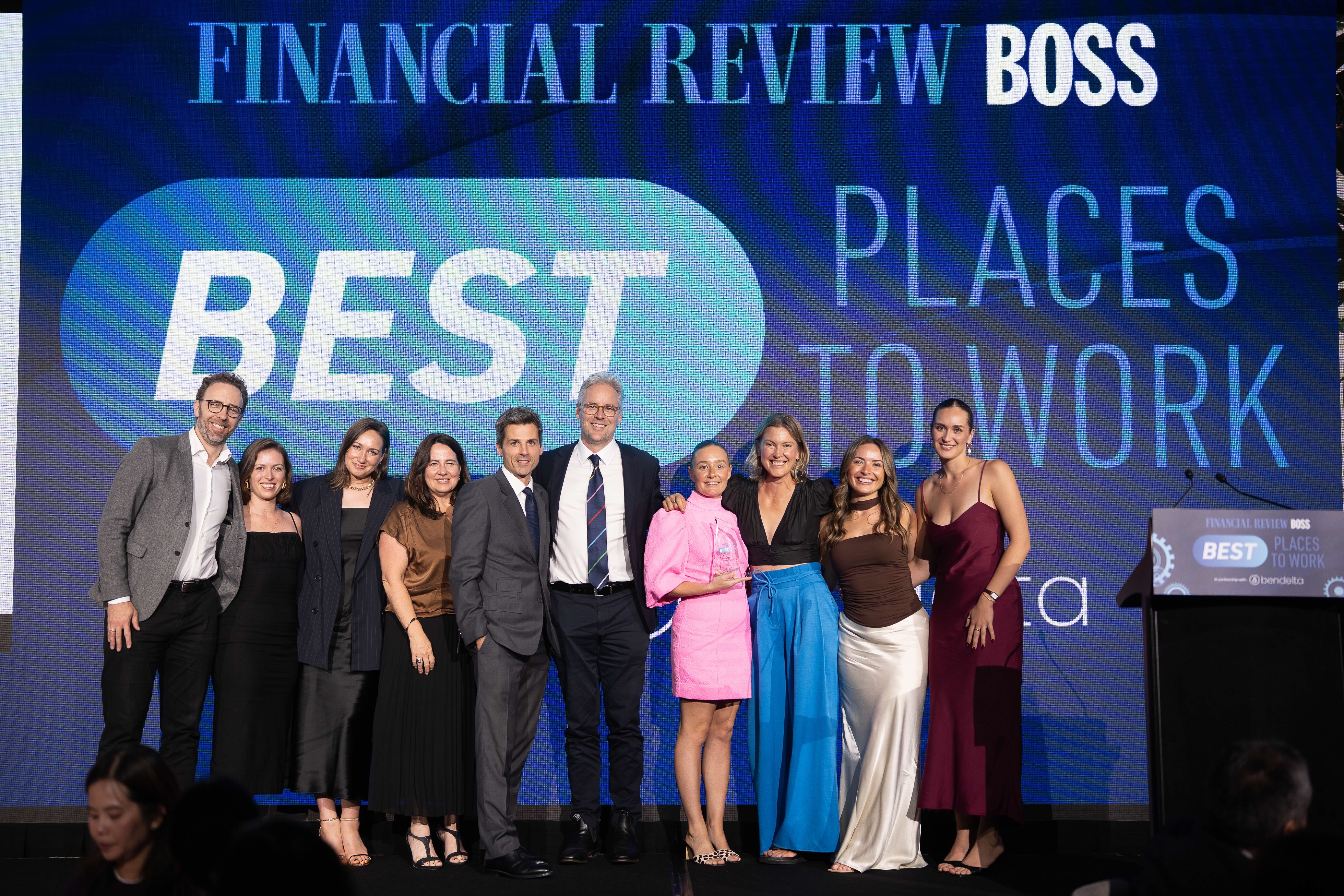
Fresh Clinics awarded at AFR BOSS Best Places to Work 2026
We’re incredibly proud to announce that Fresh Clinics has been named one of the AFR BOSS Best Places to Work for 2026. Not only did we make the prestigious list, but we were also honoured with the special award for ‘Energising’ – a recognition given to the business that best demonstrates a culture that motivates, inspires and brings out the absolute best in its people.
The Australian Financial Review recently shared insights into what makes a workplace truly exceptional, and it is a topic that hits home for us. As our Chief People Officer, Ally Atkins, puts it, "This award is evidence that you don't need to follow the masses with post-work drinks or ping-pong tables to make a difference in your people's lives." Instead, it is about creating an environment where you don't just show up, but where you actually get to be your best.
For those of us in the aesthetics industry, this is particularly relevant. Whether you are running your own clinic or working within a team, the atmosphere you cultivate directly impacts the care you provide to your patients.
Read the full article in the Australian Financial Review here.