Clinic marketing in 2026: what to do when you can't directly market your services

When you stop posting, you're not pressing pause on your marketing. You're making a brand decision, whether you meant to or not. Since Ahpra's September 2025 advertising update, that decision has hit thousands of cosmetic clinics across Australia. The rules on what nurses can say, show, and imply on public-facing content got tighter. Before-and-after imagery for higher-risk procedures is restricted. S4 product names are banned from public channels. Influencer endorsements for cosmetic procedures are off the table.
Plenty of clinics have responded by stepping back from social altogether. If you can't show your results, can't name the products you use, and can't lean on the content formats that used to drive bookings, the instinct is to stop posting until the rules settle.
The cost of that decision is often higher than clinics realise.
Silence isn't neutral
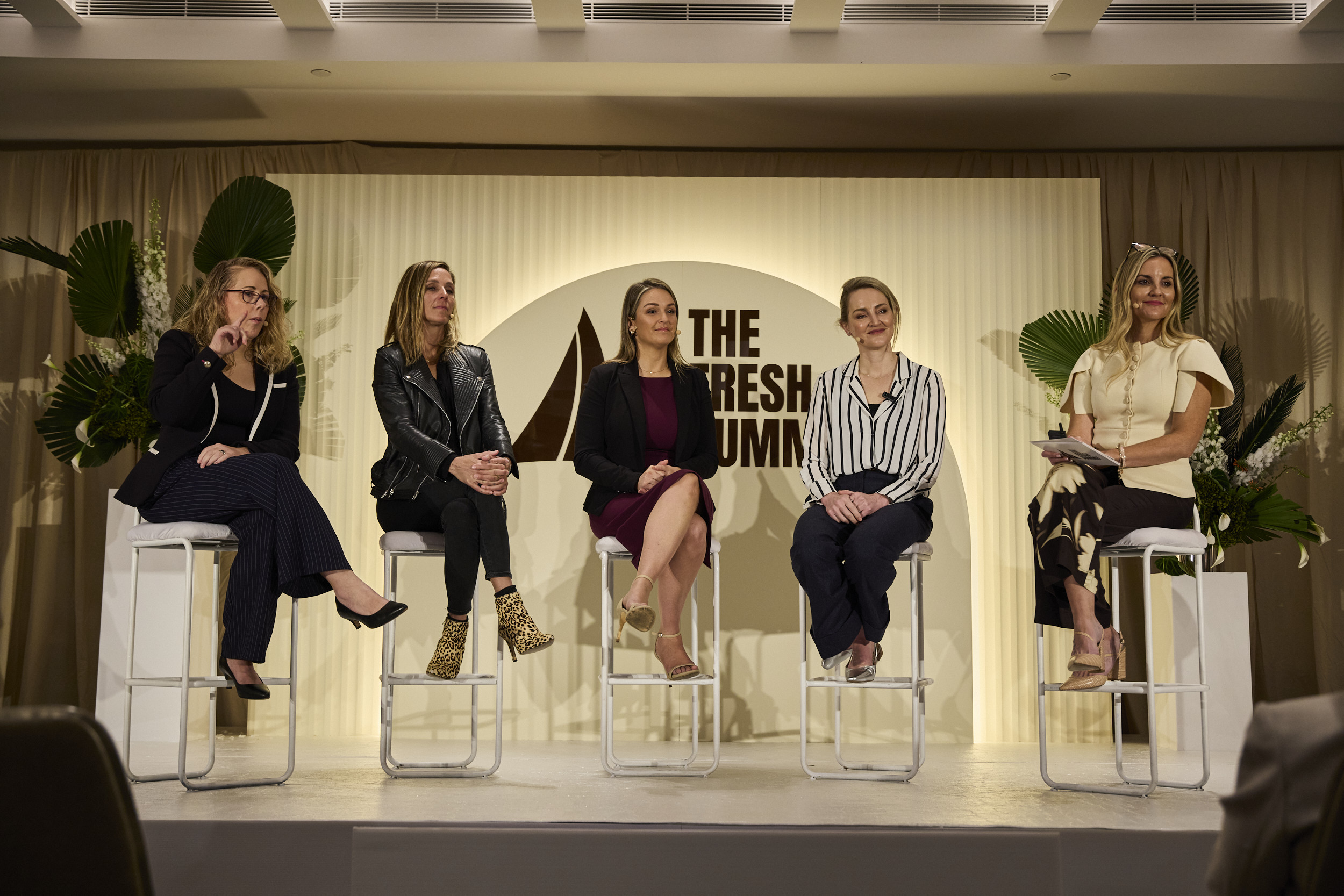
On our recent Member webinar, The Profit Treasure Map, Jade Spehr from Jade Start (a consulting firm Fresh works with) made a point that reframed the room: not posting is still creating a brand. It's just not the brand you want.
Jade's background is in insolvency. She's watched businesses go quiet on their public channels and seen what happens next. Patients scroll past an empty grid and draw the same conclusion they'd draw about a restaurant with the lights off. They assume you've closed.
The platform compounds the problem. Instagram deprioritises accounts that don't post regularly. When you do come back, your reach has already dropped because the algorithm decided you're not active. You're not just recovering from a break. You're climbing back from a position the platform assigned you while you were away.
Megs Reid, Fresh Member Lead, added a practical layer. Post-September 2025, a lot of nurses felt they shouldn't post anything. But patients knew the regulations were changing, and clinics were closing at the time. The ones that went quiet looked like they were part of that wave.
What you can still post (and what's working)
The question isn't whether to show up. It's how to show up when the old playbook is off the table.
Three approaches are working for clinics right now:
Lead with education. Blog posts, short-form video, and social content that explains what to expect during a first consultation, how to choose a practitioner, and what questions to ask about training and oversight all position your clinic as the credible, knowledgeable choice. Educational content doesn't need to make outcome claims. It builds trust by demonstrating that you know your field well enough to explain it simply.
Make the consultation your marketing. When your public content can't do the selling, your consultation has to. Encouraging patients to book a conversation (not a treatment, a conversation) gives you a compliant, personalised space to discuss options, build treatment plans, and demonstrate expertise face-to-face. The consultation becomes the conversion point, not the Instagram post.
This is also where Megs's "what's possible gallery" idea earns its place. On the same webinar, she raised the concept of reframing traditional before-and-after galleries as "what's possible" galleries, used inside the consultation room with patients. Instead of leading with side-by-side comparison shots (restricted for higher-risk procedures under Ahpra), you walk patients through what's achievable for someone in their situation. The shift is from "look what we did" to "here's what's possible when you work with a practitioner who knows what they're doing." The gallery still demonstrates capability. It just leads with possibility rather than proof, and it lives in the consultation, not on social.
Show the people behind the clinic. Document your team, your events, your training. Ahpra's guidelines are about what you can't claim, not about showing your clinic as a real place with real people. Posting about a team training day, a supplier visit, or a community event doesn't touch the restricted categories. It builds familiarity, and familiarity is what makes patients choose you over the clinic down the road.
The marketing channel most clinics overlook
Kerry Johnson of Joy by Nature shared something on a recent webinar that surprised the room. Alongside her aesthetic work, she'd started offering women's health consults, and the word-of-mouth from those consults grew faster than her injecting business ever did at the beginning.
This matters for the marketing question because it points to a channel most clinics don't think of as marketing: the patient relationship itself. When patients come in for something beyond aesthetics (hormone health, weight management, hair rejuvenation), the conversations are longer, more personal, and more likely to generate referrals. Patients talk about a practitioner who listened to them about their sleep, their energy, their hormones. They don't talk about their last appointment the same way.
Word-of-mouth marketing means your existing patients become your most effective acquisition channel. But it only works if you give them something worth talking about. Expanding what you offer isn't just a revenue decision. It's a marketing strategy.
Where the real growth is
The clinics growing right now aren't the ones with the biggest ad budgets or the most polished grids. They're the ones that kept showing up, adapted what they post, and invested in patient relationships that build over time.
Rebooking is a marketing strategy. A patient who rebooks before they leave has already made their next buying decision.
Retention is a marketing strategy. It costs less to keep a patient than to find a new one, and a retained patient refers.
Expanding your service offering so patients come back more often, for more reasons, is a marketing strategy. The clinics that figured this out early have a structural advantage: a deeper patient base, a warmer referral pipeline, and marketing that doesn't depend on any single platform.
We've written a full guide to six marketing strategies that work within the current rules, covering everything from service descriptions to referral systems. If you're looking for a practical starting point, it's here.
Fresh Clinics supports nurses at every stage of clinic marketing, from compliance-aligned content planning to expanding into hybrid healthcare through Fresh Health. To go deeper on rebooking benchmarks, the "what's possible" gallery approach, and the specific tactics Megs and Jade walk through, watch the full Profit Treasure Map webinar replay in the member library.
CONTACT US
The climb to clinical excellence: what we learned taking The Fresh Summit on the road
.jpg)
How to work out your clinic's margins and break-even point