Why your rebooking rate matters more than your pricing (and how one Fresh Member built 88% retention)
.jpg)
If you've been in aesthetics for a few years and your clinic is past the survival phase, you've probably hit the same question every growth-focussed nurse hits eventually. How do I keep the patients I've already got, instead of constantly chasing new ones?
The answer almost always lives in the consultation. Not the technique. Not the pricing. The conversation that happens before the tools come out.
This is the topic of the latest Fresh Pod episode with Jaci Isaacs, a Fresh Member running a busy aesthetic clinic in Parramatta. Jaci sat down with Fresh and pulled her real numbers live on the recording. Over the last 12 months, her clinic is holding 88% rebooking and 90% retention. She surprised herself when she saw the figures. What's interesting is that none of what she's done is complicated.
The shift Jaci made
Most clinics treat the rebooking conversation as the last thing that happens before a patient walks out the door. Treatment is finished, the patient is putting their bag on, and someone says 'would you like to book your next appointment?' It feels awkward because it is awkward. The conversation has nothing to anchor it to.Jaci flipped this.
Every patient gets a treatment plan at the very first consultation, before anything is treated. The plan covers what's possible, what's recommended, and the timeline that makes clinical sense. The rebooking is written into the plan from day one.In her words on the episode: 'If you try to bolt it on at the end it feels awkward. Front-load it and it just becomes part of the experience.
'By the time the next appointment needs booking, the conversation has already happened. The patient knows it's coming. There's no pressure, no salesy energy, no awkward upsell. It's just the next step in a plan they've already agreed to.
Why this works clinically as well as commercially
There's a reason this approach is showing up in the clinics with the strongest patient retention. It's not just good for business. It's better medicine.When a patient understands what they're trying to achieve, what's realistic, and how the work happens over time, they make better decisions. They're less likely to ask for things that aren't right for them. They're less likely to walk in with unrealistic expectations. They're more likely to follow the aftercare. And when something does go sideways (a bruise, an asymmetry, a slow result), they're more likely to call you instead of disappearing.
For nurses in the up-and-comer phase of building their clinic, this is the part that often gets overlooked. The pressure to grow makes it tempting to focus on getting new patients in the door. But your existing patients are the highest-trust, lowest-cost source of growth you have. Every patient you retain is one you don't have to acquire.
The other shifts Jaci made
The treatment plan is the headline move, but it's not the only one. A few other things she mentioned on the episode that are worth noting.She doesn't treat new patients differently to long-term ones. Every patient gets a full facial assessment, every patient gets a treatment plan. Consistency is what builds the trust that turns first-visit patients into ten-year patients.
Her two-week follow-up is automated and booked by default, not opt-in. Patients can cancel if they don't need it. Most don't.
She doesn't get drawn into pricing conversations. Her line on this in the episode: 'If you want it cheaper, you can go there.' She's confident in the service she provides, and patients respond to that confidence.She built her clinic's four core values into the way she consults. Hers are authenticity, advocacy, care, and excellence. Every decision, every patient interaction, every plan ladders back to those four. It's worth the time to write your own.
What this looks like for a growing clinic
If you're early in building your clinic and the idea of writing a treatment plan for every single patient feels like a lot, start smaller. Pick one new patient this week. Sit down for fifteen minutes after the consult and write out what you'd recommend over the next 6, 12, and 18 months, based on what they told you. Send it to them.You'll be surprised how often patients respond. Most have never had a healthcare practitioner take them seriously enough to plan ahead with them. It's the part of the experience that turns a one-off treatment into a relationship. Once you've done it for a handful of patients, you'll start to see the patterns. The plan becomes faster to build. The conversation becomes natural. Within a few months, it's just how you consult.
Want to hear the full conversation?
Jaci's full Fresh Pod episode is worth a listen on the way to clinic. She gets into the systems she uses, how she trains her team to consult the same way she does, and the one automated text message she set up two years ago that meaningfully shifted her rebooking rate.
Listen to the full episode of Fresh Pod with Jaci Isaacs
CONTACT US
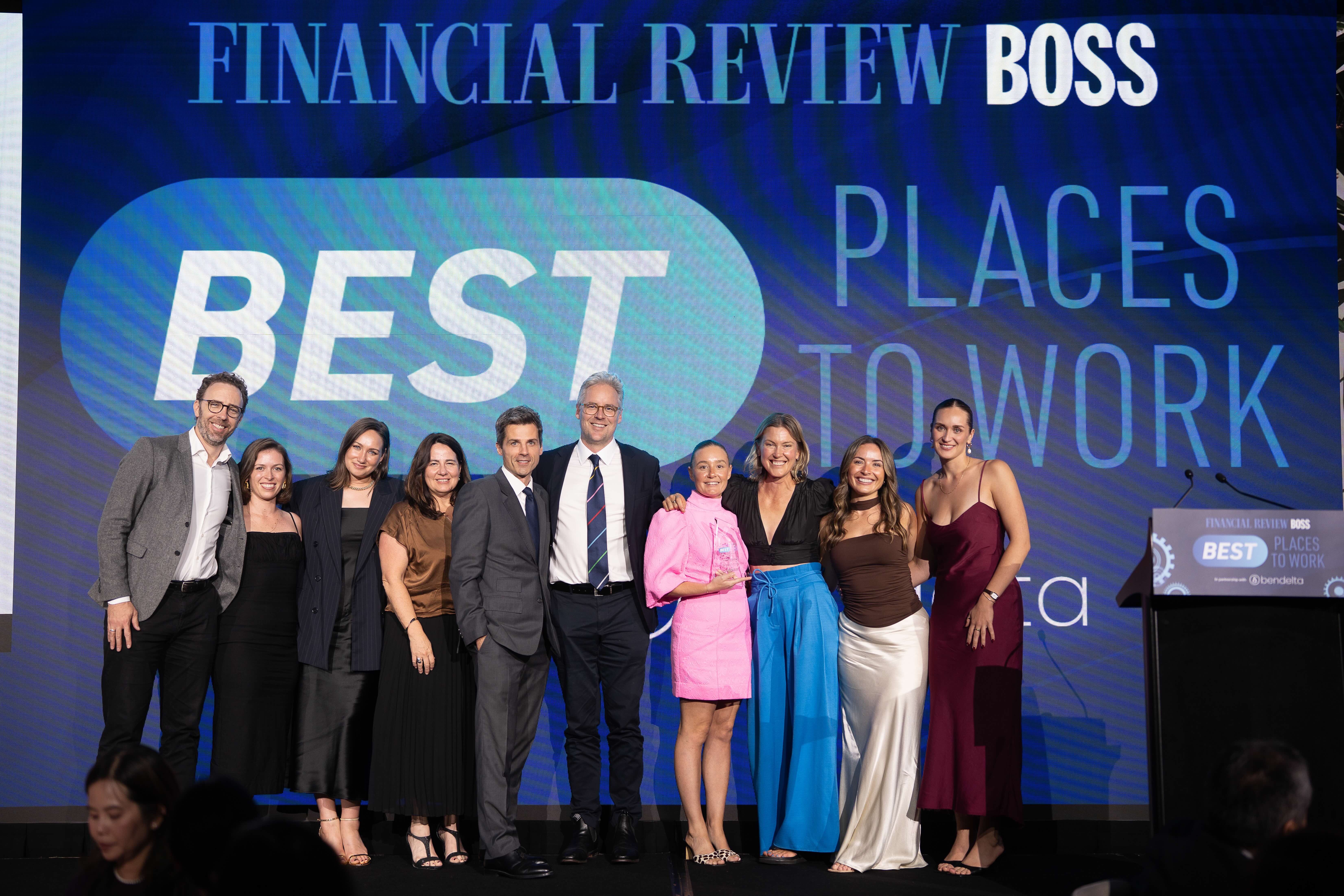
Fresh Clinics awarded at AFR BOSS Best Places to Work 2026