Featured Articles
Clinic marketing in 2026: what to do when you can't directly market your services
Since Ahpra's September 2025 update, many AU clinics have gone quiet on social. Here's what's working instead, from rebooking to word-of-mouth.
When you stop posting, you're not pressing pause on your marketing. You're making a brand decision, whether you meant to or not. Since Ahpra's September 2025 advertising update, that decision has hit thousands of cosmetic clinics across Australia. The rules on what nurses can say, show, and imply on public-facing content got tighter. Before-and-after imagery for higher-risk procedures is restricted. S4 product names are banned from public channels. Influencer endorsements for cosmetic procedures are off the table.
Plenty of clinics have responded by stepping back from social altogether. If you can't show your results, can't name the products you use, and can't lean on the content formats that used to drive bookings, the instinct is to stop posting until the rules settle.
The cost of that decision is often higher than clinics realise.
Silence isn't neutral
On our recent Member webinar, The Profit Treasure Map, Jade Spehr from Jade Start (a consulting firm Fresh works with) made a point that reframed the room: not posting is still creating a brand. It's just not the brand you want.
Jade's background is in insolvency. She's watched businesses go quiet on their public channels and seen what happens next. Patients scroll past an empty grid and draw the same conclusion they'd draw about a restaurant with the lights off. They assume you've closed.
The platform compounds the problem. Instagram deprioritises accounts that don't post regularly. When you do come back, your reach has already dropped because the algorithm decided you're not active. You're not just recovering from a break. You're climbing back from a position the platform assigned you while you were away.
Megs Reid, Fresh Member Lead, added a practical layer. Post-September 2025, a lot of nurses felt they shouldn't post anything. But patients knew the regulations were changing, and clinics were closing at the time. The ones that went quiet looked like they were part of that wave.
What you can still post (and what's working)
The question isn't whether to show up. It's how to show up when the old playbook is off the table.
Three approaches are working for clinics right now:
Lead with education. Blog posts, short-form video, and social content that explains what to expect during a first consultation, how to choose a practitioner, and what questions to ask about training and oversight all position your clinic as the credible, knowledgeable choice. Educational content doesn't need to make outcome claims. It builds trust by demonstrating that you know your field well enough to explain it simply.
Make the consultation your marketing. When your public content can't do the selling, your consultation has to. Encouraging patients to book a conversation (not a treatment, a conversation) gives you a compliant, personalised space to discuss options, build treatment plans, and demonstrate expertise face-to-face. The consultation becomes the conversion point, not the Instagram post.
This is also where Megs's "what's possible gallery" idea earns its place. On the same webinar, she raised the concept of reframing traditional before-and-after galleries as "what's possible" galleries, used inside the consultation room with patients. Instead of leading with side-by-side comparison shots (restricted for higher-risk procedures under Ahpra), you walk patients through what's achievable for someone in their situation. The shift is from "look what we did" to "here's what's possible when you work with a practitioner who knows what they're doing." The gallery still demonstrates capability. It just leads with possibility rather than proof, and it lives in the consultation, not on social.
Show the people behind the clinic. Document your team, your events, your training. Ahpra's guidelines are about what you can't claim, not about showing your clinic as a real place with real people. Posting about a team training day, a supplier visit, or a community event doesn't touch the restricted categories. It builds familiarity, and familiarity is what makes patients choose you over the clinic down the road.
The marketing channel most clinics overlook
Kerry Johnson of Joy by Nature shared something on a recent webinar that surprised the room. Alongside her aesthetic work, she'd started offering women's health consults, and the word-of-mouth from those consults grew faster than her injecting business ever did at the beginning.
This matters for the marketing question because it points to a channel most clinics don't think of as marketing: the patient relationship itself. When patients come in for something beyond aesthetics (hormone health, weight management, hair rejuvenation), the conversations are longer, more personal, and more likely to generate referrals. Patients talk about a practitioner who listened to them about their sleep, their energy, their hormones. They don't talk about their last appointment the same way.
Word-of-mouth marketing means your existing patients become your most effective acquisition channel. But it only works if you give them something worth talking about. Expanding what you offer isn't just a revenue decision. It's a marketing strategy.
Where the real growth is
The clinics growing right now aren't the ones with the biggest ad budgets or the most polished grids. They're the ones that kept showing up, adapted what they post, and invested in patient relationships that build over time.
Rebooking is a marketing strategy. A patient who rebooks before they leave has already made their next buying decision.
Retention is a marketing strategy. It costs less to keep a patient than to find a new one, and a retained patient refers.
Expanding your service offering so patients come back more often, for more reasons, is a marketing strategy. The clinics that figured this out early have a structural advantage: a deeper patient base, a warmer referral pipeline, and marketing that doesn't depend on any single platform.
We've written a full guide to six marketing strategies that work within the current rules, covering everything from service descriptions to referral systems. If you're looking for a practical starting point, it's here.
Fresh Clinics supports nurses at every stage of clinic marketing, from compliance-aligned content planning to expanding into hybrid healthcare through Fresh Health. To go deeper on rebooking benchmarks, the "what's possible" gallery approach, and the specific tactics Megs and Jade walk through, watch the full Profit Treasure Map webinar replay in the member library.

Why your rebook rate matters more than your pricing (and how one Fresh Member built 88% retention)
How one experienced clinician built 88% rebook rate and 90% retention by rethinking how she runs her first patient consult.
If you've been in aesthetics for a few years and your clinic is past the survival phase, you've probably hit the same question every growth-focussed nurse hits eventually. How do I keep the patients I've already got, instead of constantly chasing new ones?
The answer almost always lives in the consultation. Not the technique. Not the pricing. The conversation that happens before the needle comes out.
This is the topic of the latest Fresh Pod episode with Jacqui Isaacs, a Fresh Member running a busy aesthetic clinic in Parramatta. Jacqui sat down with Jade and pulled her real numbers live on the recording. Over the last 12 months, her clinic is holding 88% rebooking and 90% retention. She surprised herself when she saw the figures.
What's interesting is that none of what she's done is complicated.
The shift Jacqui made
Most clinics treat the rebooking conversation as the last thing that happens before a patient walks out the door. Treatment is finished, the patient is putting their bag on, and someone says 'would you like to book your next appointment?' It feels awkward because it is awkward. The conversation has nothing to anchor it to.
Jacqui flipped this. Every patient gets a treatment plan at the very first consultation, before anything is treated. The plan covers what's possible, what's recommended, and the timeline that makes clinical sense. The rebooking is written into the plan from day one.
In her words on the episode: 'If you try to bolt it on at the end it feels awkward. Front-load it and it just becomes part of the experience.'
By the time the next appointment needs booking, the conversation has already happened. The patient knows it's coming. There's no pressure, no salesy energy, no awkward upsell. It's just the next step in a plan they've already agreed to.
Why this works clinically as well as commercially
There's a reason this approach is showing up in the clinics with the strongest patient retention. It's not just good for business. It's better medicine.
When a patient understands what they're trying to achieve, what's realistic, and how the work happens over time, they make better decisions. They're less likely to ask for things that aren't right for them. They're less likely to walk in with unrealistic expectations. They're more likely to follow the aftercare. And when something does go sideways (a bruise, an asymmetry, a slow result), they're more likely to call you instead of disappearing.
For nurses in the up-and-comer phase of building their clinic, this is the part that often gets overlooked. The pressure to grow makes it tempting to focus on getting new patients in the door. But your existing patients are the highest-trust, lowest-cost source of growth you have. Every patient you retain is one you don't have to acquire.
The other shifts Jacqui made
The treatment plan is the headline move, but it's not the only one. A few other things she mentioned on the episode that are worth noting.
She doesn't treat new patients differently to long-term ones. Every patient gets a full facial assessment, every patient gets a treatment plan. Consistency is what builds the trust that turns first-visit patients into ten-year patients.
Her two-week follow-up is automated and booked by default, not opt-in. Patients can cancel if they don't need it. Most don't.
She doesn't get drawn into pricing conversations. Her line on this in the episode: 'If you want it cheaper, you can go there.' She's confident in the service she provides, and patients respond to that confidence.
She built her clinic's four core values into the way she consults. Hers are authenticity, advocacy, care, and excellence. Every decision, every patient interaction, every plan ladders back to those four. It's worth the time to write your own.
What this looks like for a growing clinic
If you're early in building your clinic and the idea of writing a treatment plan for every single patient feels like a lot, start smaller. Pick one new patient this week. Sit down for fifteen minutes after the consult and write out what you'd recommend over the next 6, 12, and 18 months, based on what they told you. Send it to them.
You'll be surprised how often patients respond. Most have never had a healthcare practitioner take them seriously enough to plan ahead with them. It's the part of the experience that turns a one-off treatment into a relationship.
Once you've done it for a handful of patients, you'll start to see the patterns. The plan becomes faster to build. The conversation becomes natural. Within a few months, it's just how you consult.
Want to hear the full conversation?
Jacqui's full Fresh Pod episode is worth a listen on the way to clinic. She gets into the systems she uses, how she trains her team to consult the same way she does, and the one automated text message she set up two years ago that meaningfully shifted her rebooking rate.
[Listen to the full episode of Fresh Pod with Jacqui Isaacs]

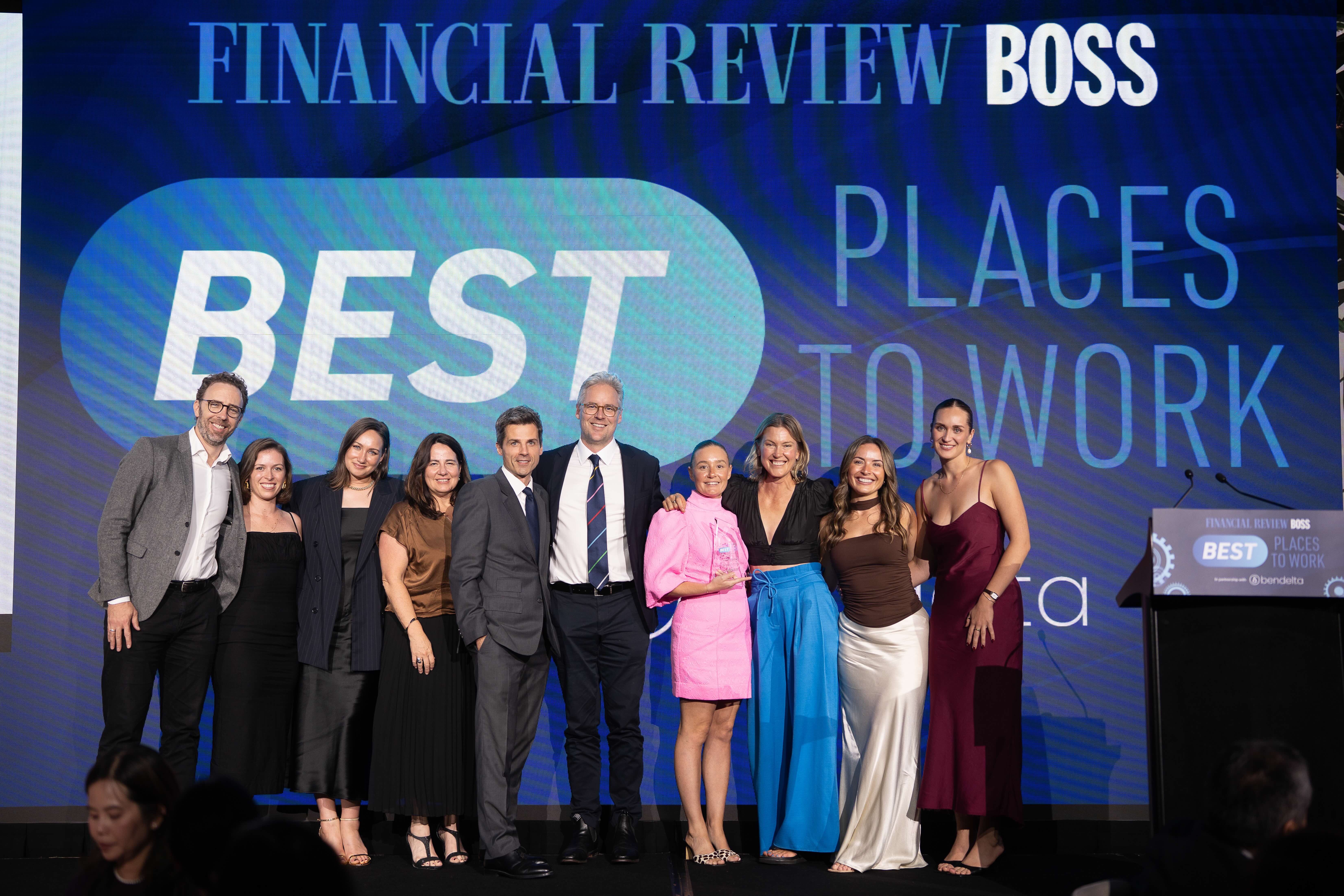
Fresh Clinics awarded at AFR BOSS Best Places to Work 2026
We’re incredibly proud to announce that Fresh Clinics has been named one of the AFR BOSS Best Places to Work for 2026. Not only did we make the prestigious list, but we were also honoured with the special award for ‘Energising’ – a recognition given to the business that best demonstrates a culture that motivates, inspires and brings out the absolute best in its people.
We’re incredibly proud to announce that Fresh Clinics has been named one of the AFR BOSS Best Places to Work for 2026. Not only did we make the prestigious list, but we were also honoured with the special award for ‘Energising’ – a recognition given to the business that best demonstrates a culture that motivates, inspires and brings out the absolute best in its people.
The Australian Financial Review recently shared insights into what makes a workplace truly exceptional, and it is a topic that hits home for us. As our Chief People Officer, Ally Atkins, puts it, "This award is evidence that you don't need to follow the masses with post-work drinks or ping-pong tables to make a difference in your people's lives." Instead, it is about creating an environment where you don't just show up, but where you actually get to be your best.
For those of us in the aesthetics industry, this is particularly relevant. Whether you are running your own clinic or working within a team, the atmosphere you cultivate directly impacts the care you provide to your patients.
Read the full article in the Australian Financial Review here.
Latest Articles

Transformative Growth Accelerator Program Launched at Fresh Clinics
At Fresh Clinics, we are always on the lookout for business opportunities for our Members.
We recently launched our Growth Accelerator Program, which helps cosmetic clinics book more appointments and grow sustainably, marking a big leap forward for the aesthetics industry.
This three-month intensive course is tailored to help cosmetic nurses excel in their commercial, leadership, and marketing skills, paving the way for transformative growth.
Our Growth Accelerator Program is a first in the industry, combining webinars, workshops, clinical training, and an offsite strategy day. It’s all delivered by renowned entrepreneurs from both inside and outside aesthetics. Participants gain invaluable skills and insights to push the boundaries of their business and develop as leaders.
But here’s what sets our program apart:
We focus on those critical skills that most clinicians miss out on when they transition to running their own businesses.
Think strategic roadmapping, commercial analysis, advanced consultation training, building high-performing teams, and setting up scalable management systems - just to name a few. The program wraps up with a strategy offsite day; the perfect blend of education and enjoyment, allowing Members to connect and network with like-minded peers.
Rob Price, CCO of Fresh Clinics, shared the inspiration behind this initiative:

The first round of the Growth Accelerator resulted in a waitlist after just 2 months. This overwhelming response highlights just how much demand there is for a game-changing program like this in the cosmetic industry.
If you’re ready to take your clinic to the next level and be part of this exciting journey, don’t miss out on the opportunity to join the next round of the Growth Accelerator Program. Click here for more information and to secure your spot on the waitlist!
Featured in Spa & Clinic
The Growth Accelerator Program featured in Spa & Clinic! Read the full article here.

How to Attract and Keep the Right People in Your Clinic
Watch the full session here.
When we asked clinic owners about their biggest growth challenges in the 2025 State of Medical Aesthetics Report, nearly a quarter said one thing stood out: finding and keeping the right staff. And it’s not surprising. Having the right people beside you can make or break your business.
That’s what we recently explored in our SoMA session, 'Building Your Dream Team: Attracting and Keeping Top Talent in Your Clinic.' Hosted by Aniella, Business Development & Key Account Manager, from Fresh Clinics, the discussion featured two inspiring clinic owners, Olivia from A&O Cosmetics and Skin in Shepparton, and Hannah from Self Cosmetic Science in Adelaide. Between them, they’ve grown thriving teams in very different markets, but share one philosophy: get the culture right, and the rest will follow.
Hiring in a regional vs. city market
For Olivia, building a team in regional Victoria brings both challenges and benefits. “The pool that you are employing from is significantly smaller,” she shared. “People just really aren’t floating around here, being cosmetic nurses.” But being in a small town also means connections run deep. “When you do interview people, I’ve always known of them somehow. It has its pros and cons, but it’s worked out well for us so far.”
Hannah agreed that hiring is rarely easy, even in Adelaide. “It has taken time; we haven’t always had our dream team. I always say hire on personality, not on skill, and hire slowly. Our last hire took nine months. Do not rush it.”
Why personality matters
Both speakers agreed that a candidate’s personality, values, and ethics matter far more than their resume. As Hannah explained, “I don’t really care what experience someone has… they just need to be a good person and have really good ethics. I’m more than happy to then train someone up; they just need to be the right fit for the team.”
Olivia added that passion is a major green flag in an interview. “Those that’ll just be like, ‘I’ll do anything to work for you’ - that’s the drive you want to see.”
On the flip side, there are red flags that are just as obvious. Hannah warned against candidates who speak negatively about previous employers: “It puts a question in my mind - am I then going to be the person they talk about at their next interview?”
Rethinking the interview process
Like most business owners, both Olivia and Hannah admitted their approach to interviewing has evolved over time. Olivia laughed, remembering how nervous she was in her first interview: “I felt like I was going to vomit before it. It just came very unnaturally.” Today, her interviews are more conversational, focusing on personality and goals rather than stock standard questions. “I just trust my gut a lot more now,” she said.
Hannah has also moved away from rigid Q&As. “We try and be a lot more conversational now. We peel the onion back, find out their motivations, and we’re much more direct. Before, we wanted our staff to like us, but now it’s about making sure it’s the right fit both ways.”
Retention through culture
Attracting staff is one thing, but keeping them is where the real work begins. For both Hannah and Olivia, the secret lies in culture.
Flexibility is non-negotiable. “Most of my staff are mums. I’m a mum to two kids, so I get the juggle,” said Olivia. “If they need time off or want to go on holiday, if you give me notice, it’s nearly always a yes.”
Hannah has taken the same approach: “We only work a four-day work week. We don’t work weekends, and we’re not open on Wednesdays. Our staff absolutely love it.”
Recognition also plays a huge role. Olivia is deliberate about making her staff feel valued: “I’m always thanking my staff and celebrating their achievements. Feeling valued and appreciated is something you don’t get in a lot of workplaces, but it’s so important.”
Beyond pay and perks, what keeps staff loyal is the sense of belonging. Hannah’s approach is to find out what motivates each individual. “For some, it’s discounted treatments. For others, it’s flexible working arrangements or more education opportunities. It’s not always the obvious things.”
Both Hannah and Olivia also invest in shared experiences. From team dinners and after-work drinks to attending conferences together, they emphasise the importance of connection. “We’ve all become quite good friends,” said Hannah. “We celebrate our wins together, and that makes a huge difference.”
Setting new hires up for success
The onboarding process can make or break a new hire’s success. For Olivia, that means shadowing from day one, no matter how much prior experience someone has. "Regardless if they have experience, we will be doing things differently. It’s also about introducing them to the team, my family, even my kids - it’s social as well as clinical.”
Hannah also emphasised shadowing, but with a focus on consulting skills and clinic culture. “It’s not just about teaching them clinical skills. It’s more about how to talk to clients, our policies, and our procedures. That really can’t be taught in a day.”
Building your dream team isn’t about luck. It’s about patience, leadership, and creating a culture where people feel valued. As Olivia summed it up, “This is an us thing, it’s never a me thing. As I grow, I want to bring my team up with me.” When you put people first, you don’t just attract talent, you keep it.
Want more industry insights and business tips you won't find anywhere else? Join Fresh now!
Building your dream team: Attracting and keeping top talent in your clinic
Access this exclusive session with some of Australia's top clinics as they share their insights on how to build a thriving team.
Brought to you by Fresh Clinics exclusive State of Medical Aesthetics Report, 2025
Join our special guests:
- Olivia Feldtmann, ANO Cosmetics and Skin
- Hannah Rivers, Self Cosmetic Science
- Hosted by Aniella Leeks, Business Development and Key Account Manager at Fresh Clinics
What you'll learn:
- Simple but effective recruitment approaches that help you find the right fit, not just the right resume
- Onboarding secrets that set new team members up for success from day one
- How to create a clinic culture that makes staff want to stay for the long-term
- Practical leadership techniques that boost team satisfaction and performance

Breaking the Stigma: Complication Management in Aesthetics
In aesthetic medicine, although rare, complications can and do happen. But rather than seeing them as failures, it’s time to shift the narrative.
Although these complications occur infrequently, their potential impact necessitates transparency, preparedness, and ongoing education.
During our recent international webinar, bringing together Members from the USA and Australia, Fresh Clinics co-founder Dr John Holbrook led a candid discussion on complication management, breaking down stigma, and ensuring patient safety remains the top priority in aesthetics.
A New Perspective on Complications
“Bad things happen. They’ll happen to all of us,” Dr Holbrook stated. “What matters more than anything is recognizing, escalating, and managing it appropriately.”
One of the most critical complications discussed was vascular occlusions (VO). Vascular occlusions are a rare but serious complication associated with dermal fillers. They occur in fewer than 0.05% of treatments.
Dr Holbrook reinforced that quick recognition and treatment are key: “Anytime you see vesicles, think necrosis. The answer is simple - open up the vessel with hyaluronidase.”
Vascular occlusion can sometimes be misdiagnosed due to varying symptoms, but practitioners were urged to act swiftly. “Pain is a helpful sign, but just because it’s painless doesn’t mean there’s no occlusion,” Dr Holbrook advised.
The Reality of Infections
While vascular occlusions require immediate dissolving of filler, infections can be more challenging. Immune-mediated inflammatory reactions can present anywhere from days to years after HA filler was initially injected. The swelling and tenderness in the distribution where the fillers were injected are often, but not always, triggered by illness in the patient a couple days prior to the swelling.
NSAIDs and prednisone are typically used to manage these reactions. If an infection is suspected, antibiotics and dissolving the filler are standard therapy. Dr Holbrook highlighted, “You are obliged to dissolve any filler post-infection, no matter what.”
Practitioners were reminded to take a proactive approach with close patient monitoring to prevent further complications such as abscess formation.
Seeking to maintain adverse events at less than 1% of treatments that occur is a shared mission. The Monthly Morbidity and Mortality (M&M) meetings hosted by Fresh Clinics highlight where and how practice can continuously improve.
No Practitioner is Alone
Breaking the stigma around complication management requires a collective shift in perspective.
Complications are not a reflection of incompetence but are part of cosmetic medicine and an opportunity to learn, improve practice, and enhance patient safety. Fresh Clinics offers ongoing support through its medical team, software, and training to ensure all practitioners have the knowledge and confidence to navigate complications.
If you want to be part of a network that prioritises safety, education, and professional growth, explore how Fresh Clinics can support you. Reach out to our team today.

Complications in Aesthetic Procedures: Insights from Dr. Shah-Desai
-2.avif)
The content of this blog is designed and intended for the education of Healthcare Professionals
In our rapidly evolving industry, the use of hyaluronic acid (HA) fillers for facial enhancement is always on the rise. However, with innovation comes challenges. Fresh Clinics Members recently heard invaluable insights from Dr. Sabrina Shah-Desai, an internationally recognized expert in non-surgical and advanced cosmetic procedures on the prevention and management of complications associated with (HA) filler use.
Understanding the Anatomy
To optimally leverage fillers in aesthetics, an understanding of facial planes and the distribution of facial vasculature is a must. Enlightening us on this, Dr. Shah-Desai reinforced, "Prevention strategies are really important to understanding that depth of injection, injecting slowly, considering a cannula except in the nose, injecting small, and considering directing the needle perpendicular to the vessels."
Patient Assessment
Sabrina made sure to emphasise the importance of patient assessment and consultation in the following order to minimise risks during treatment:
- Take a detailed medical history
- Take a detailed aesthetic history (types of filler used/dates of treatment)
- Assess for any ongoing skin conditions, dental issues, and ear, nose, or throat issues
- Establish if there is any severe pain or redness in past treatments
- Establish duration and onset of “the lump”
One of the main risks associated with HA filler injections is the threat of vascular events. How we handle such events can make a significant difference in the patient's outcome. Complications ranging from infections to nodules and even blindness can occur, hence having a well-trained team in place, armed with the necessary tools and medications, is crucial.

"Anatomy and assessment of patient selection is a prerequisite for minimising the risk of complications. Never inject against resistance and considering the product is really important, particularly to prevent complications," said Dr. Shah-Desai, reinforcing the importance of comprehensive knowledge in filler treatments.
Navigating Complications
The importance of early detection, diagnosis, and management of adverse events cannot be overemphasised. For infections, the use of antibiotics might be considered while Hyaluronidase could be employed for treating nodules. Here, using ultrasound devices on patients would offer compelling advantages.
Aging and Filler Placement
Our skin undergoes transformations with age, leading to structural support and surface alterations. . Sabrina shed light on this, highlighting "When we look at the surface topographical changes of aging we see this on the skin sort of from the ages of late 20s to mid 30s."
The awareness of these changes, especially in the mid-face and bony areas, forms the underpinning for informed decisions on filler placement and selection in patients.
The 4D Approach
Steering away from static notions, Sabrina introduced the concept of the 4D approach for optimising results with filler. This approach unravels a more holistic outlook in evaluating and enhancing facial features, acknowledging the dynamic fat pads and movements that define our faces.
The 4D approach is based on four key strategies and can have fewer complications, plus more revenue for your practice than filler alone:
- Protection (eg, sunscreen and antioxidants)
- Promotion of cell turnover (eg, peels and laser)\
- Collagen stimulation
- Volume remodelling (eg, fillers)
Empowering Your Practice
Sabrina's enlightening session contextualises the importance of preparedness at each step of aesthetic treatments.
The core takeaway from Dr. Shah-Desai resonates with Fresh Clinics’ belief that knowledge and awareness are the foundation of excellence in aesthetics. By embracing these insights, we can look forward to an exciting future in advanced technology.
Stay tuned for more inspiring discussions.
Not a Fresh Clinics member yet? Reach out to our team today, call us, or schedule a time to chat below to discuss how to become a Fresh Clinics member and take advantage of Fresh initiatives today.
What is Regenerative Medicine?
Can you imagine using your own cells to repair signs of aging or reverse chronic conditions? With regenerative medicine, this is slowly but surely becoming possible.
Regenerative medicine is an emerging field that helps the body replace, repair, and regenerate damaged cells, tissues, or organs. The goal is to help patients restore normal function. For example, in aesthetic medicine, the desired outcome is to restore the patient’s natural body, not simply hide the signs of aging.
In this article, we’ll break down what regenerative medicine is, the top treatments being used today, how it’s changing the aesthetics industry, and what’s coming next.
Key aspects of regenerative medicine
The practice of regenerative medicine draws on cell biology, genetics, bioengineering, and clinical medicine to promote true repair and, in some cases, reverse damage entirely. It’s built upon the concept that, in the right conditions, the body has all the tools it needs to heal itself from minor injuries.
Supporting the body to heal
Our bodies already know how to heal cuts, mend bones, and fight infection. Regenerative medicine builds on that by stimulating or enhancing the body’s natural repair mechanisms. This can mean triggering collagen production, increasing blood flow, or signaling the body to produce new cells.
Cell-based therapies (stem cells)
Stem cells can turn into many different types of cells, such as bone, blood, muscles, and nerves. In regenerative medicine, they are used to repair damaged tissue. The most common source of stem cells in medical treatments today is taken from adult bone marrow or fat tissue. For example, doctors might inject stem cells from fat tissue into an injured joint to promote healing and reduce inflammation.
Building new tissue from scratch (tissue engineering)
Tissue engineering is the practice of using a structure, like a soft, mesh-like material, along with cells to help the body grow new tissue.
It’s already being used to create skin grafts, cartilage, and parts of organs. This approach is especially helpful when the body can’t heal on its own, such as after a burn, injury, or surgery.
The tools that support cell growth and repair
As the field grows, the tools used by medical scientists are constantly evolving. Currently, regenerative therapies often involve biomaterials (materials that are safe for inside the body) that support cell growth, or gene therapy that helps restore or enhance a cell’s function at the DNA level.
Examples of regenerative medicine in use today
Healing with your own blood (platelet-rich plasma)
Platelet-rich plasma (PRP) therapy uses a patient's own blood to promote healing. After drawing blood, it's spun in a centrifuge to concentrate the platelets, which are then injected into the targeted area. PRP is commonly used for injury recovery, skin rejuvenation, and hair growth.
Relieving joint pain with natural cushioning (viscosupplementation)
This treatment involves injecting hyaluronic acid, a gel-like substance, naturally found in healthy joints. In people with osteoarthritis, their natural level of this substance drops, which can cause pain and stiffness. This treatment helps restore lubrication in the joint, usually the knee, making movement feel smoother and reducing discomfort.
Growing organs from your own cells
Researchers are working on growing entire organs in labs using a patient's own cells. This approach aims to provide future alternatives to organ transplants, reducing the risk of rejection. While we're still years away from fully functional lab-grown organs, recent developments in 2024 from scientists at UC San Francisco and Cedars-Sinai have taken promising strides towards bringing this concept to life.
Waking up the body’s repair system
Some therapies aim to stimulate the body's own cells to repair themselves. By engaging these dormant or damaged cells, the treatments encourage natural regeneration, potentially reducing the need for invasive procedures. A simple example of this is microneedling, which creates small tears in the skin to promote collagen production.
What is regenerative aesthetics?
Regenerative aesthetics is the future of the aesthetics industry, combining the science of healing with modern beauty treatments. It uses the principles of regenerative medicine, like stimulating collagen, restoring tissue, and boosting cellular activity for cosmetic treatments. The goal is to deliver natural-looking results by encouraging the body to heal and renew itself. That means fewer artificial fillers, less downtime, and longer-lasting results.
Popular regenerative aesthetic treatments include:
- PRP for skin rejuvenation: Sometimes called a “vampire facial,” this uses the patient’s own plasma to boost collagen, improve texture, and reduce signs of aging.
- PRP for hair restoration: Injecting PRP into the scalp can stimulate dormant hair follicles, improving thickness and regrowth over time.
- Exosome therapy: Exosomes are naturally released in the body to promote healing. When extracted and applied to the skin, they can reduce inflammation, support cell turnover, and brighten complexions.
- Polynucleotide injections: Derived from salmon DNA, these injections are designed to hydrate, repair, and improve skin elasticity at a deep level. They're especially popular for under-eye rejuvenation and dull skin.
- Skin boosters: Unlike traditional fillers, skin boosters spread under the skin to hydrate and subtly plump. They also encourage collagen and elastin production over time, which is beneficial for patients looking to reduce the signs of aging.
- Nanofat grafting: This is when fat is gathered from the patient, filtered to isolate the regenerative cells, and then injected into delicate areas like under the eyes or around the mouth. It improves skin quality and volume with long-term effects.
Real-world results
A 2024 study on PRP for skin rejuvenation found that treatment led to significant improvements in facial features after just one to three sessions.
Another study in 2023 found that combining microneedling with exosomes led to faster healing and better results. The patients showed noticeable improvements in wrinkles, elasticity, hydration, and pigmentation.
What does the future hold for regenerative medicine?
The future of regenerative medicine is moving fast due to patient demand and major scientific progress. Researchers are already testing 3D-printed organs made from a person’s own cells, which could one day replace the need for the more risky practice of donor transplants. Gene editing tools like CRISPR are also showing real promise and could help fix the root cause of certain diseases.
It might sound futuristic, but these breakthroughs are already happening in labs and early trials. If things keep heading in the right direction, we’ll start seeing more of these treatments helping real patients in the next few years.
Regenerative medicine is all about helping the body naturally fix itself. From joint pain to skin and hair, these treatments are already making a difference, and they are only getting started.
At Fresh Clinics, we support medical professionals with the tools, knowledge, and oversight to offer safe, effective regenerative treatments
Ready to take the first step? Contact Fresh today!
FAQs
What therapies are currently provided in regenerative medicine?
Some of the most common regenerative medicine treatments include platelet-rich plasma (PRP), stem cell therapies, and microneedling with growth factors like Exosomes. These therapies are used to repair damaged cells, tissues, or organs, especially for joints, skin, and hair.
What kind of conditions can regenerative medicine help with?
Currently, regenerative medicine is being used for joint pain, soft tissue injuries, hair loss, and skin aging. As the field of regenerative medicine grows, it’s also being studied for organ repair and more complex medical conditions.
Is stem cell therapy safe?
Stem cell therapies are already being used in both medical and aesthetic clinics, especially for joint issues and skin rejuvenation. Most use stem cells from bone marrow or fat, and while research is still ongoing, they’re generally considered safe when done by qualified professionals.
How is regenerative medicine different from traditional treatments?
Unlike treatments that only manage symptoms, regenerative medicine focuses on fully healing. It supports the body’s ability to repair damaged tissue and restore normal function using cell therapy, growth factors, or tissue engineering.What are iPS cells, and why do they matter?
Induced pluripotent stem (iPS) cells are adult cells reprogrammed to act like pluripotent stem cells. That means they can turn into nearly any cell type. Researchers see them as a safer, more ethical alternative to human embryonic stem cells in regenerative medicine research.
How is 3D bioprinting being used in regenerative medicine?
3D bioprinting is an emerging technology that uses living cells to print engineered tissue. The goal is to eventually build complex organ and tissue structures that are structurally and functionally similar to natural ones.
Can regenerative medicine help with heart failure?
Yes. One type of regenerative medicine being studied for heart failure involves growing or transplanting healthy muscle cells into damaged skeletal muscle to restore heart function. While it’s still in early development, it’s one of the most promising therapies and future directions in the field.

EOFY: Smartest Time to Invest
As the end of the financial year approaches, many cosmetic nurses, clinic owners, and aesthetic professionals are deep in spreadsheets, reconciling expenses, and preparing to close the books.
But EOFY isn’t just a deadline; it’s the perfect moment to pause, reflect, and invest in the future of your business.
Here’s why EOFY is the smartest time to secure your spot at The Fresh Life 2025:
EOFY is designed for strategic investment
June 30 is when many business owners look at their numbers and ask, “What did I build this year, and where am I heading next?”
EOFY serves as a natural checkpoint to review your business's financial health. Reinvesting in professional development now can set you up for a more profitable, confident, and focused second half of the year. Whether you’re a sole trader or running a growing clinic, EOFY is your chance to:
- Realign with your long-term goals
- Prioritise development
- Take advantage of potential tax deductions*
Invest in YOU and your clinic's holistic growth at The Fresh Life 2025
Investing in professional development, training, or business-related resources before EOFY can offer significant tax advantages. According to the Australian Taxation Office (ATO), expenses directly related to earning assessable income, such as attending conferences, workshops, or purchasing educational materials, may be tax-deductible. By making these investments before June 30, you can potentially reduce your taxable income for the current financial year.*
The Fresh Life 2025 is built for cosmetic professionals who want to do more than survive change - they want to thrive through it, and stay at the forefront of product, technology, and compliance standards.
This year’s theme is all about building a business that’s not just growing - but flourishing. Attendees will gain practical strategies to:
- Scale without burning out
- Differentiate in an increasingly saturated market
- Retain patients through value-driven, localised care
- Leverage insights and tools for long-term, strategic success
- Learn new innovative techniques
- Build your team or hear insight into how to work inside a high-performing team
- Get up close and personal with industry experts, pharmaceutical brands, and key opinion leaders in our industry
Invest now, and reap the rewards all year
Making space for professional development during EOFY signals that you’re prioritising progress, putting strategy ahead of stress, and choosing to lead your business with intention.
A ticket to The Fresh Life 2025 is an investment in clarity, confidence, and community. And when you invest before June 30, you’re giving yourself the strongest possible start to the next financial year.
Grow together - grab your ticket before June 30 and immediately go in the running to win a free ticket!
This year, growth doesn’t have to be a solo journey. When you purchase your ticket before June 30, you’ll automatically enter our giveaway, where one lucky attendee will receive a second ticket for free.
This is your chance to bring along someone who makes your business stronger. Whether it’s a business partner, a team member, or a peer you’ve grown alongside in the industry, shared learning increases impact.
All ticket holders are entered automatically. But to be eligible, tickets must be purchased before EOFY. Winners will be announced on July 7, 2025!
Don't miss your chance to THRIVE. Secure your spot here!
*Always consult with a financial advisor or tax professional to understand the specific benefits and implications for your business.

Key Takeaways from NSS 2025
Last weekend, the Fresh Clinics Team attended another NSS (Non-Surgical Symposium) on the Gold Coast - an annual highlight on the medical aesthetics calendar.
As always, it was a valuable opportunity to connect with peers, hear from leading voices in the industry, and reflect on the direction our profession is heading.
Here are some of the key insights and takeaways our team brought home from NSS 2025:
Ahpra & TGA regulatory guidelines
Significant updates were shared around compliance, particularly from AHPRA and TGA representatives. A few key takeaways:
- All clinical information and patient education should be delivered in person.
- Providing information via email or text (e.g., brands, pricing) remains a grey area.
- Messaging should aim to educate, not promote. If flagged, practitioners will typically have an opportunity to explain their intent and adjust.
- Booking systems should align more closely with general practice (e.g., "short" vs. "long" consults), reinforcing that we are operating in a healthcare model, not a retail one.
Diversity & inclusivity
Several sessions explored how clinicians can strengthen greater inclusivity, particularly around gender identity and neurodivergence. A standout statistic shared was that 60% of nurses avoid certain patient questions out of fear of saying the wrong thing.
From adding non-binary options on intake forms to asking open-ended questions like “What’s your idea of beauty?” and “How do you view yourself?”, speakers highlighted the importance of creating safe, respectful spaces for all patients.

Marketing & community engagement
Dr Kristy Kostalas and Fresh Trainer, Agnes Dube, shared practical ways clinics can embed community engagement into their business model. With marketing restrictions continuing to limit traditional promotion, many clinicians are finding value in being seen to give back, whether by sponsoring local sports teams, partnering with charities, or supporting local events.
As traditional marketing becomes more restricted, the consultation process has become the most powerful point of connection with patients. Speakers emphasised the importance of creating a calm, personalised, and informative experience, not just for treatment planning, but for building long-term trust.
Hybrid clinics
There was discussion around the emergence of hybrid clinics, where services such as skin cancer checks, general medicine, preventive medicine, and aesthetics sit under one roof. It’s a patient-centric model that speaks to the evolving expectations of health, wellness, and convenience.
NSS 2025 reinforced that the aesthetics industry is evolving quickly, and that success now hinges not just on clinical skill, but on the ability to navigate compliance, communicate with purpose, and connect with patients and communities in more meaningful ways.
It was incredibly rewarding to hear from many attendees, including nurses, clinic owners, and pharmaceutical partners, who shared their appreciation for the support Fresh Clinics is providing, particularly in Queensland. There was strong engagement with our data-led presentation on the State of Medical Aesthetics Report, and it was clear the insights resonated across the room.
We’re proud to be part of these important conversations and to continue supporting our network to stay informed, compliant, and empowered.
Ready to join Fresh?
Whether you're just starting out or looking to expand your clinic, Fresh Clinics is here to support your growth. Reach out to our team, call us, or fill in the form to get started.
Managing Vascular Occlusions: Insights from Dr Holbrook
-2.png)
The content of this blog is designed and intended for the education of Healthcare Professionals
The art of bringing a change to one’s appearance through non-surgical cosmetic procedures calls for expert precision and knowledge. However, even in the hands of the most skilled professional, complications can arise.
Fresh Members recently had the opportunity to dive into an educational session with our very own Dr John Holbrook, on managing vascular occlusions (VOs) in aesthetic treatments.
Vascular Occlusions: A Fear for Practitioners
"The vessels in our bodies, particularly in our face, are all connected," Dr Holbrook emphasized during the session. Vascular occlusion, a rare but serious complication, can result from dermal filler treatments, with incidences being roughly 1 in 10,000. While low, the risk is real and can result in serious complications if not managed promptly and appropriately.
To minimise the occurrence of VOs, practitioners often adopt standard procedures. For example, the idea of only injecting in 'safe' points has always been conventional. However, it's not a course that Dr Holbrook advocates,"There's no safe...everywhere can be risky.”
The Treatment Approach
When an occlusion is suspected or occurs, the first course of treatment is to call in an expert immediately.
Another critical part of the immediate response is injecting hyaluronidase into the affected area, an enzyme that can potentially reverse the occlusion by breaking down the filler.
Dr Holbrook shared through his personal experience, how he managed a rare, yet serious VO that affected a patient's chin and tongue due to a midline filler injection in the chin.
"We fixed it in a day… and it didn't require any further interventions," Dr Holbrook recalled about one of the most complex cases he'd managed. Despite immediate action, the patient still experienced extreme pain, challenging the process of treatment. Utilizing hyaluronidase and maintaining an open line of communication with other specialists, the case was successfully navigated.
It is important to emphasize the need for persistence in managing occlusion. Dr Holbrook noted, "Just because it has always been okay before, doesn't mean it will be okay this time."
He reiterated that every treatment comes with its own level of uncertainty and risk.
The need to remain constantly cautious and prepared for any event is one that resonated deeply with our Members. In the face of such potential complications, the importance of patient well-being remains at the forefront.
The session was a wealth of information on managing vascular occlusions, and a testament to Dr Holbrook's persistent, dynamic, and patient-first approach.
Not a Fresh Member?