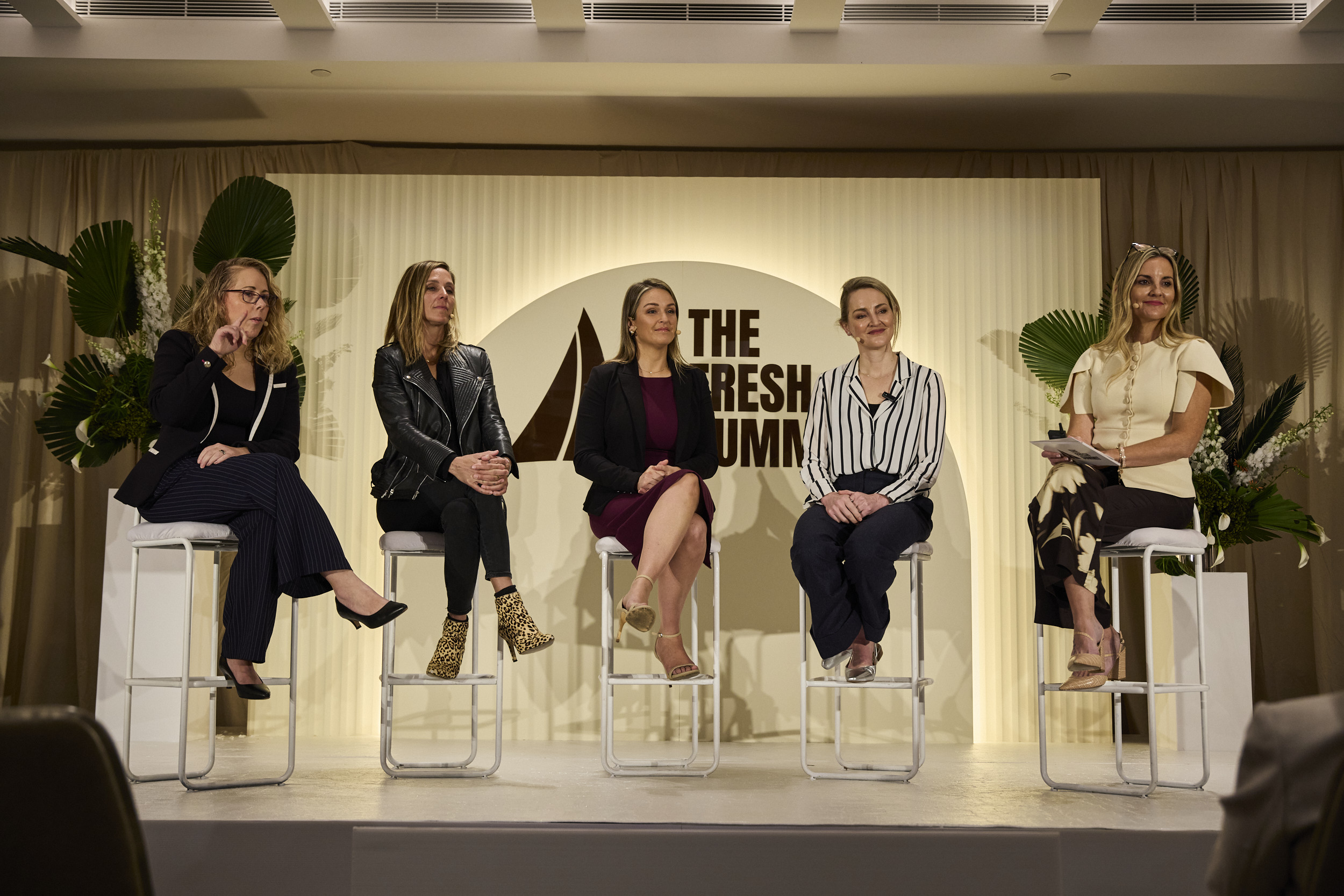
How hybrid healthcare leads to safer aesthetic treatments

Like many topics, when it comes to cosmetic medicine, media reports tend to focus on the sensational or extreme cases of negligence. However, when you look beyond individual incidents and focus on how care is structured at scale, a different picture emerges.
Fresh Clinics supports clinics that oversee around 600,000 patient treatments each year, with zero recorded cases of long-term harm. That level of safety comes from clinics delivering care day to day, while operating under strict and constant clinical standards, with clear escalation processes.
In this article, we’ll look at how hybrid healthcare works in practice and how it supports safer outcomes in aesthetic clinics.
What is hybrid healthcare in medical aesthetics?
Hybrid healthcare is a combination of in-person and virtual services, where treatments happen in person, while medical support sits behind the scenes.
With hybrid healthcare, patients still visit a clinic and are treated face-to-face by a nurse, but with an added layer of support. For example, now a clinic can access a doctor for prescription and clinical oversight, so nurses aren’t left managing medical decisions alone. It also includes clear rules and protocols for how treatments should be delivered and what to do if something goes wrong.
Digital tools are also a core part of hybrid healthcare. This includes tools like video calls, document management, and communication tools for post-treatment follow-ups with patients.
Why patients prioritise safety when choosing an aesthetic clinic
Since aesthetic treatments are elective, patients have a low tolerance for risk. Unlike lifesaving surgery, where risk is often accepted because treatment is necessary, no patient expects to deal with complications in aesthetic medicine.
On top of this low tolerance for risk, there is generally no time pressure when choosing a cosmetic clinic. Patients will spend time analysing options in their area, reading reviews, looking at results, and forming an opinion about which clinic feels the most trustworthy.
It’s also important to understand that, when complications do happen, the medical issue is only part of the experience. A 2024 study from the Netherlands found that many patients described trying to get help as a long and stressful process, and some felt unsure what to do because risks and next steps weren’t clearly discussed upfront.
Shame also played a role, often amplified by the way media coverage (and their readers) shame people who speak openly about complications. This can leave patients feeling embarrassed about having cosmetic work done or worried they will be blamed for choosing an elective treatment. That hesitation can make them less likely to ask for help early.
In aesthetic medicine, safety doesn’t only mean having low complication rates. It’s also about making sure support is easy to access, and patients know exactly what to do if they suspect something has gone wrong.
What we’ve learned from analysing 600,000 treatments
Across more than 600,000 treatments annually, Fresh Clinics has had zero cases of long-term harm. Overall, we have only seen a <0.3% complication rate across all adverse events.
For context, hospital complication rates in Australia sit at 1.9 per 100 hospitalisations in public hospitals and 0.8 per 100 in private hospitals. (These figures reflect all treatments, not cosmetic procedures alone.)
How does this data compare to dermal filler complication rates
Our data found that serious complications like vascular occlusion are very rare. We see that they occur in fewer than one in 5,000 filler syringes, meaning a 0.02% chance of vascular occlusion.
Studies conducted by board-certified dermatologists also show similar rates. In one study of 370 dermatologists, occlusions occurred in about one in 6,400 syringes (0.016%) using needles and one in 40,000 (0.0025%) syringes using cannulas. This showed that, generally, cannulas were linked to a lower risk. The study also notes that most occlusions are resolved without lasting harm.
You may see higher complication figures for hyaluronic acid fillers (close to 10%), but these usually include minor, short-term issues like swelling or bruising, even when treatments are delivered in well-supervised clinical settings. It’s important to understand that this number does not reflect serious or long-term complications.
When something does go wrong, a fast response matters
As we’ve covered, serious complications are rare, but it’s still important to properly prepare for them. We’ve found that no matter where patients have their complications, a fast response is essential.
For many independent clinics, when complications arise, staff will need to track down an on-call doctor or work out escalation steps under pressure. Any delay in this process can greatly increase the stress of both the nurse and patient. On top of this, the pressure can lead to decision errors or quick fixes, making the complications more serious.
These moments are when you’ll want a structured pathway for complications. This will give staff the confidence to know exactly who to contact and how to escalate an issue immediately. This structure helps reduce risk and the chance of long-term consequences.
The Fresh Clinics’ one-button safety solution
Fresh Clinics uses a simple one-button system. If a complication occurs, a nurse presses a button and is instantly connected to a dedicated team of doctors who specialise in complication management.
Since this team supports clinics across a large network, they deal with these situations regularly and are highly experienced at resolving issues quickly and safely. You can learn more about how this medical oversight works here.
Training to support complication management
Across the industry, training is often fragmented, expensive, and inconsistent. Nurses often rely on one-off courses or informal mentoring. This can make it harder to maintain consistent safety standards across clinics.
At Fresh Clinics, we take a different approach. We provide hundreds of hours of standardised education, designed to be practical, current, and easy to access. When you are a member, training is free, ongoing and centrally governed, so updates like new regulations in Australia are passed on to all our members.
The result is a more level playing field. Whether a clinic is in a major city or a regional area, practitioners are working from the same safety frameworks, escalation processes, and clinical expectations. That consistency helps reduce risk and supports safer outcomes for both patients and providers. You can browse our courses here.
Building safety through structure, training, and support
Although serious complications are rare, it’s important to be prepared for them. This includes what you do before the treatment, during and after.
Ongoing training is the starting point. It gives nurses clear safety standards to work from and the confidence to make decisions consistently. From there, structured escalation and immediate medical oversight ensure issues are managed quickly and correctly.
If you’re looking to practise with support from a network of medical professionals who prioritise safety and support, fill out our form to get more information about joining Fresh Clinics here.
FAQs
Are nurse-led aesthetic clinics safe?
Yes, nurse-led aesthetic clinics can be perfectly safe with the right training and oversight. We help clinics streamline their business, prepare for the rare cases where complications do occur, and provide access to doctors 24/7 to guide next steps when needed.
What is considered a ‘serious’ complication in cosmetic medicine?
Generally, what is considered a serious complication is anything that causes significant harm or needs urgent medical treatment.
In cosmetic medicine, this usually refers to rare events such as vascular occlusion, severe infection, major allergic reactions, nerve injury, or anything that leads to hospitalisation or long-term damage. More temporary effects like swelling or bruising wouldn’t fall into this category.
What is a hybrid healthcare model in cosmetic medicine?
A hybrid healthcare model combines on-site treatment with remote medical oversight. This usually means nurses deliver care day to day, while doctors are responsible for setting the governing framework and are available to support clinics in an emergency.
This gives clinics the freedom to operate in a way that suits them and their patients, while still having access to support when escalation is needed.
CONTACT US
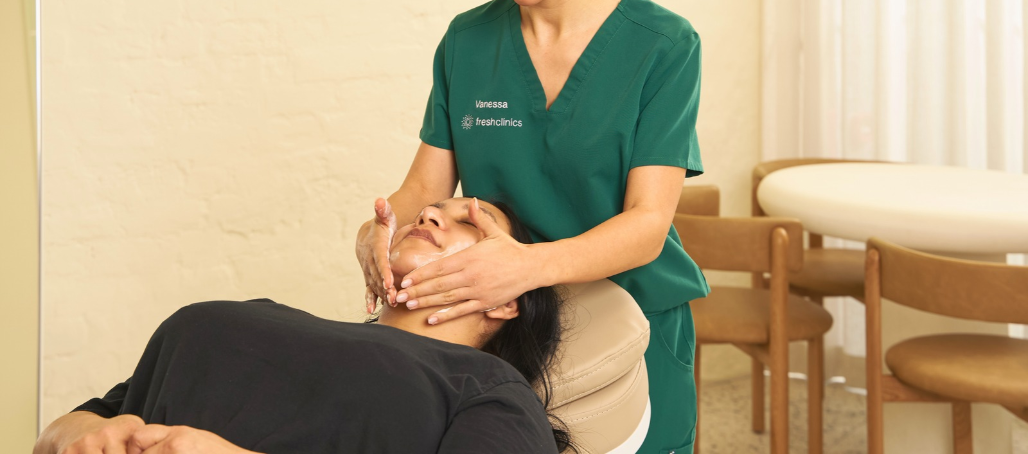
Your 8-step guide to setting up an Aesthetic Clinic in Australia
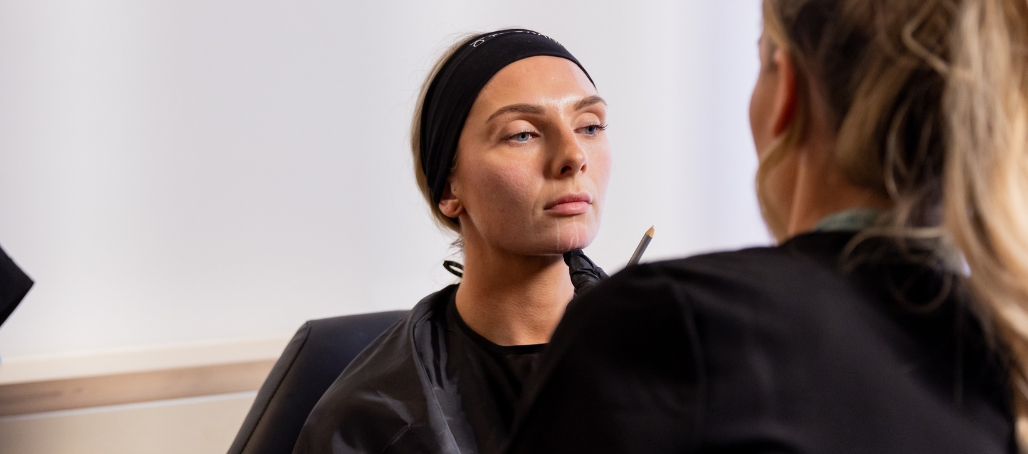
The conversations happening in your treatment room, and how to support them